by Mohamed Elbebhairy | Apr 9, 2026 | Products
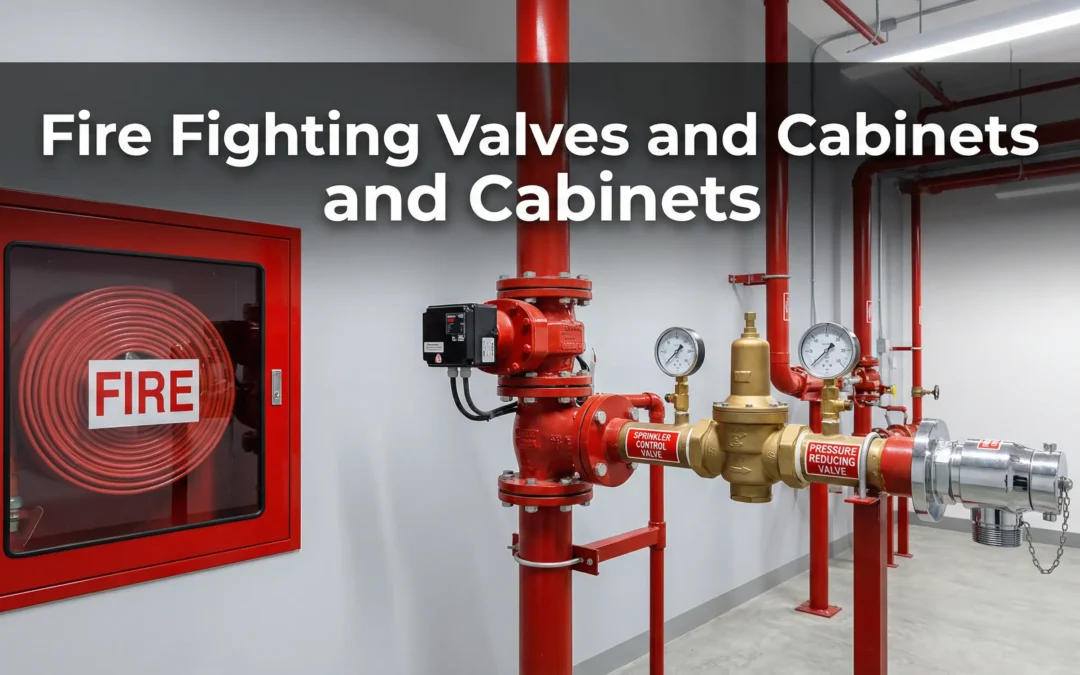
Among the most operationally critical elements of any building’s fire protection infrastructure, fire fighting valves and cabinets ensure that water supply reaches every area of a facility at the correct pressure and that first-response equipment is immediately accessible when an emergency occurs. A poorly specified valve or an incorrectly positioned cabinet can mean the difference between a controlled response and a catastrophic loss. Advanced Systems supplies and installs certified fire fighting valves and cabinets across Saudi Arabia, engineered to Saudi Civil Defense requirements and international fire protection standards for commercial, industrial, and infrastructure projects of every scale.
Fire Fighting Valves: Types and Functions
Fire fighting valves are the control and regulation backbone of any water-based suppression system. Every valve must be correctly specified, installed, and maintained to ensure the system delivers water precisely where and when it is needed. Advanced Systems supplies the full range of certified fire fighting valves for every application:
- Gate Valves: Full-bore isolation valves used to shut off water supply to specific zones or sections of the fire suppression system for maintenance or emergency isolation. Their low flow resistance makes them the standard choice for main supply isolation in fire protection pipework.
- Butterfly Valves: Compact, lightweight isolation valves widely used in larger diameter pipework where space constraints make gate valves impractical. Available with supervisory switches for tamper monitoring — a key requirement under NFPA 13 and Saudi Civil Defense codes.
- Check Valves (Non-Return Valves): Prevent backflow within the fire suppression system, protecting pumps, water supply connections, and system integrity from reverse flow conditions that can compromise performance and contaminate potable water supplies.
- Pressure Reducing Valves (PRVs): Essential in multi-story buildings where static pressure on lower floors exceeds the maximum working pressure of hose reels, sprinklers, and other system components. PRVs protect equipment and ensure consistent operating pressure throughout the distribution network.
- Landing Valves and Outlet Valves: Installed on fire hydrant risers and wet risers to provide controlled water access points for fire brigade use and first-response hose connections at each floor level.
- Zone Control Valves: Sectional isolation valves that allow individual sprinkler zones to be isolated for testing or maintenance without shutting down the entire system — critical for occupied buildings requiring continuous protection.
Fire Fighting Cabinets: Housing and Protecting First-Response Equipment
A fire fighting cabinet provides secure, organized, and highly visible housing for hose reels, nozzles, landing valves, and ancillary fire fighting equipment — ensuring immediate access during an emergency without obstruction or delay. Advanced Systems supplies cabinets in mild steel and stainless steel configurations to suit every installation environment:
- Surface-Mounted Cabinets: Fixed directly onto the wall surface — the fastest and most cost-effective installation option for industrial facilities, warehouses, and back-of-house service areas.
- Semi-Recessed Cabinets: Partially set into the wall to reduce projection into the corridor or occupied space while maintaining full equipment capacity — the standard specification for most commercial and hospitality projects.
- Fully Recessed Cabinets: Installed completely flush with the wall surface for architectural finish requirements in high-specification commercial lobbies, hotels, and healthcare facilities.
Integration with Fire Detection and Alarm Systems
Fire fighting valves and cabinets operate as part of a fully integrated fire protection strategy. Supervisory switches on isolation valves connect directly to the building’s fire alarm control panel, providing real-time tamper monitoring and ensuring that any unauthorized valve closure triggers an immediate alarm. Advanced Systems designs every installation with full integration of certified detection and notification infrastructure — understanding the full range of Fire Alarm Types is essential to selecting the correct alarm architecture for each facility. All alarm installations are supported by certified Fire Alarm Devices throughout the building, and for mission-critical projects, we integrate with leading control platforms including the Potter Fire Alarm System for comprehensive, fully coordinated facility-wide fire protection.
Advanced Systems: Your Fire Fighting Valves and Cabinets Supplier in KSA
Advanced Systems supplies and installs the complete range of certified fire fighting valves and cabinets for facilities of every type and scale across Saudi Arabia. All products we supply meet Saudi Civil Defense specifications and carry the required international certifications — UL, FM Global, or EN — ensuring reliable performance, straightforward regulatory approval, and long-term system integrity. Contact Advanced Systems today to discuss your fire fighting valve and cabinet requirements and receive a tailored supply and installation proposal for your project.
Frequently Asked Questions
What types of valves are required in a fire suppression system?
A complete fire suppression system typically requires gate or butterfly isolation valves, check valves, pressure reducing valves, zone control valves, and landing valves — each serving a specific function in controlling, regulating, and protecting the water supply network. Advanced Systems specifies the correct valve types for each application based on system design, pressure requirements, and Saudi Civil Defense compliance standards.
Which fire cabinet type is right for my building?
The correct cabinet type depends on your wall construction, corridor space constraints, and finish requirements. Surface-mounted cabinets suit industrial and warehouse environments; semi-recessed cabinets are the standard for commercial buildings; and fully recessed cabinets meet the aesthetic requirements of high-specification hospitality and healthcare projects. Advanced Systems advises on the optimal specification for each installation location.
by Mohamed Elbebhairy | Apr 9, 2026 | Products
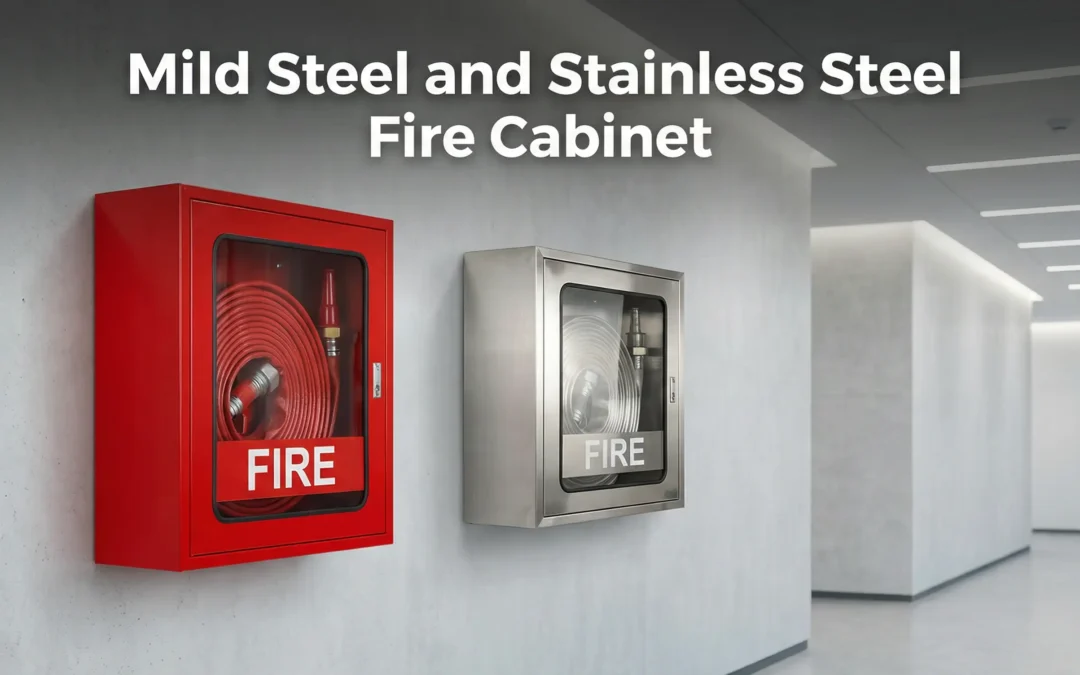
A mild steel and stainless steel fire cabinet is a critical component of any building’s active fire protection infrastructure — providing secure, organized, and immediately accessible housing for fire hoses, nozzles, valves, and ancillary equipment exactly where they are needed most. Selecting the correct cabinet material and specification for your facility is not simply an aesthetic decision; it directly affects equipment longevity, regulatory compliance, and system reliability under real emergency conditions. Advanced Systems supplies certified mild steel and stainless steel fire cabinets across Saudi Arabia, engineered to Saudi Civil Defense requirements and international fire protection standards for commercial, industrial, and infrastructure facilities.
Mild Steel vs. Stainless Steel Fire Cabinets
Both mild steel and stainless steel fire cabinets serve the same fundamental purpose — protecting and housing fire hose reel equipment — but each material offers distinct advantages depending on the installation environment and operational demands of the facility:
- Mild Steel Fire Cabinets: The most widely deployed fire cabinet type across commercial and industrial facilities in Saudi Arabia. Mild steel cabinets offer excellent structural strength and rigidity at a cost-effective price point, making them the standard specification for office buildings, shopping malls, warehouses, and general commercial developments. They are typically powder-coated in red to meet Civil Defense visibility requirements and provide reliable corrosion resistance in standard indoor environments.
- Stainless Steel Fire Cabinets: The premium specification for installations in harsh, corrosive, or high-humidity environments where mild steel would be susceptible to surface deterioration over time. Stainless steel cabinets are the correct choice for coastal facilities, food processing plants, chemical handling areas, marine and offshore installations, hospital sterile zones, and any environment where hygiene standards or aggressive atmospheric conditions demand superior material performance and long-term appearance retention.
Where Fire Cabinets Are Required
Advanced Systems installs mild steel and stainless steel fire cabinets across the full range of facility types throughout Saudi Arabia:
- Commercial and Office Buildings: Corridor and lobby installations housing fire hose reels and first-aid fire fighting equipment at required coverage intervals per Civil Defense codes.
- Industrial and Manufacturing Facilities: Heavy-duty mild steel or stainless steel specifications depending on the chemical and environmental exposure of each installation zone.
- Healthcare and Food Processing: Stainless steel cabinets meeting hygiene and corrosion resistance requirements in sterile and wet processing environments.
- Hotels and Hospitality: Recessed or semi-recessed mild steel cabinets with architectural finishes that maintain aesthetic standards without compromising access or compliance.
- Warehouses and Logistics: Surface-mounted mild steel cabinets positioned at regular intervals to provide complete hose reel coverage across large open floor areas.
Integration with Fire Detection and Alarm Systems
Fire cabinets form part of a broader, integrated fire protection strategy. Advanced Systems designs every installation to work in coordination with the facility’s fire detection and alarm infrastructure. Understanding the range of Fire Alarm Types available ensures that the alarm system alerting occupants to use hose reel equipment is correctly matched to the building layout and hazard classification. All alarm installations are supported by certified Fire Alarm Devices — including smoke detectors, heat detectors, and manual call points — and for mission-critical projects, integrated with leading control platforms such as the Potter Fire Alarm System for reliable, fully coordinated facility-wide fire protection.
Advanced Systems: Your Fire Cabinet Supplier in Saudi Arabia
Advanced Systems supplies and installs certified mild steel and stainless steel fire cabinets for facilities of every type and scale across the Kingdom of Saudi Arabia. All cabinets we supply meet Saudi Civil Defense dimensional and material specifications, are available in surface-mounted, semi-recessed, and fully recessed configurations, and are supplied complete with certified hose reels, nozzles, and isolation valves ready for installation. Contact Advanced Systems today to discuss your fire cabinet requirements and receive a tailored supply proposal for your project.
Frequently Asked Questions
When should I choose stainless steel over mild steel for a fire cabinet?
Choose a stainless steel fire cabinet for installations in coastal environments, food processing areas, chemical plants, hospitals, or any location with high humidity or corrosive atmospheric conditions. For standard indoor commercial and industrial environments, a mild steel fire cabinet provides the correct balance of performance and cost-effectiveness.
Do Advanced Systems fire cabinets meet Saudi Civil Defense requirements?
Yes. All fire cabinets supplied by Advanced Systems comply with Saudi Civil Defense dimensional, material, and equipment specifications, ensuring straightforward regulatory approval and inspection compliance on every project.
by Mohamed Elbebhairy | Apr 9, 2026 | Products
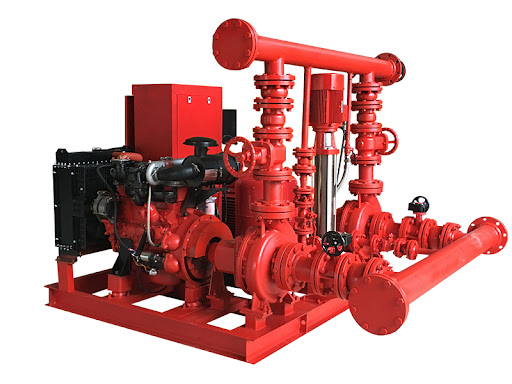
When a fire breaks out, every second counts — and the performance of your fire fighting pumps determines whether your suppression system delivers the water pressure and flow rate required to protect lives and assets from the very first moment of activation. A correctly specified, professionally installed, and properly maintained fire fighting pump is not simply a mechanical component; it is the single most critical active element in your entire fire protection infrastructure. Advanced Systems is one of Saudi Arabia’s leading suppliers and installers of certified fire fighting pumps, delivering engineered pump solutions that meet NFPA 20 standards and Saudi Civil Defense requirements for commercial, industrial, healthcare, and infrastructure facilities across the Kingdom.
Why Fire Fighting Pumps Are Mission-Critical Infrastructure
Every water-based fire suppression system — whether a sprinkler network, a standpipe and hose system, or a fire hydrant installation — depends entirely on maintaining adequate water pressure and flow at every discharge point simultaneously during a fire event. The municipal water supply alone is rarely sufficient to meet this demand, particularly in multi-story buildings, large industrial facilities, or developments with complex pipe networks. Fire fighting pumps bridge this gap, ensuring that the suppression system performs to its full engineered design capacity regardless of the pressure available at the incoming water main.
An undersized, incorrectly configured, or poorly maintained fire fighting pump set is one of the most common — and most dangerous — deficiencies found in fire protection systems across Saudi Arabia. Advanced Systems exists to eliminate this risk, delivering pump solutions that are precisely engineered, correctly installed, and supported by structured maintenance programs for the long term.
Types of Fire Fighting Pumps
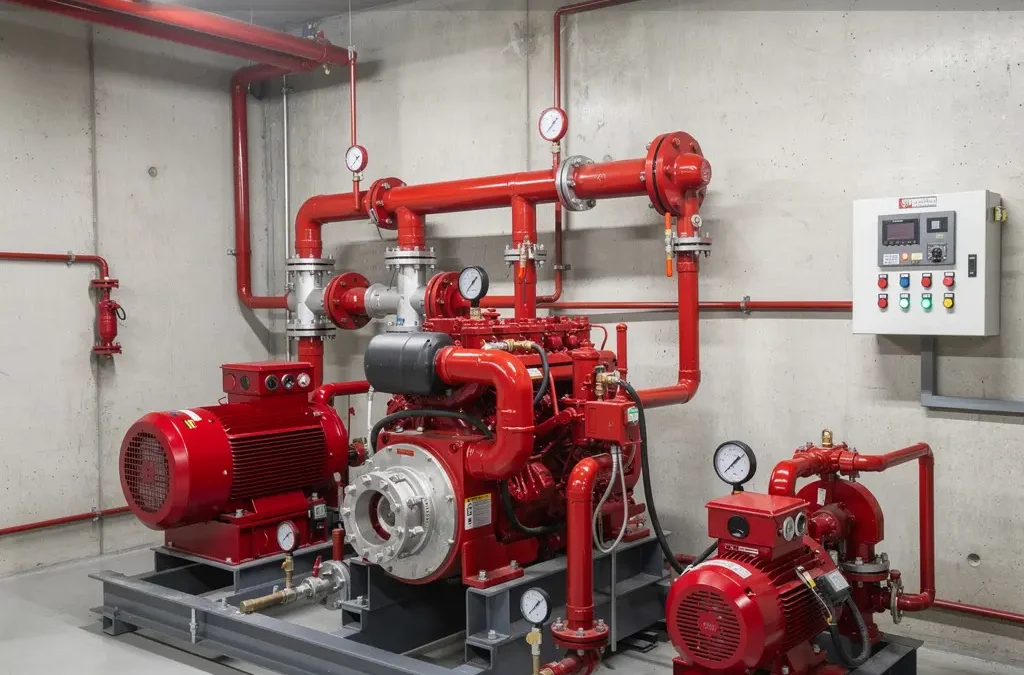
A complete fire fighting pump installation typically consists of three pump types working together as an integrated, redundant system to guarantee water supply availability under all conditions:
Electric Fire Pump
The primary duty pump in most installations — driven by an electric motor connected to a dedicated, supervised power supply that is independent of the building’s normal electrical distribution. The electric fire pump activates automatically on system pressure drop and delivers the primary water supply to the suppression network at the design flow rate and pressure. NFPA 20 requires the electric fire pump power supply to be arranged with the highest reliability — separate from all other building loads and protected against fault conditions.
Diesel Fire Pump
The automatic standby pump that activates if the electric pump fails to start or if its power supply is interrupted for any reason — including a mains power failure during the fire event itself. The diesel fire pump operates on a dedicated fuel supply with a minimum tank capacity for eight hours of continuous running at full load, as required by NFPA 20. The diesel engine is self-contained, requires no external power for starting, and must be capable of reaching full operating speed within ten seconds of activation.
Jockey Pump (Pressure Maintenance Pump)
A small, continuously running pump that maintains the fire suppression system at its design pressure during standby — compensating for minor leakage and preventing unnecessary starts of the main electric or diesel pumps. The jockey pump monitors system pressure in real time and maintains the pressurized state of the entire network, ensuring the main pumps start only when a genuine fire demand occurs. Correct jockey pump sizing and pressure setting are critical to reliable system behavior and false alarm prevention.
Key Standards and Compliance Requirements
Every fire fighting pump installation in Saudi Arabia must comply with NFPA 20 — Standard for the Installation of Stationary Pumps for Fire Protection and applicable Saudi Civil Defense regulations. NFPA 20 governs every aspect of fire pump design and installation, including:
- Pump sizing and hydraulic performance requirements at 100%, 150%, and shut-off duty points
- Driver type selection (electric vs. diesel) and power supply reliability requirements
- Pump room design, ventilation, drainage, and access specifications
- Controller type, listing requirements, and automatic start/stop sequencing
- Test header and flow measurement provisions for acceptance testing and periodic performance verification
- Minimum fuel storage capacity and diesel engine maintenance access requirements
Advanced Systems designs every fire fighting pump installation to full NFPA 20 compliance from the outset, managing all Civil Defense technical submissions and approval coordination on behalf of the client.
Fire Fighting Pump Room Design
The pump room housing your fire fighting pumps is as important as the pumps themselves. A poorly designed pump room creates maintenance access problems, overheating risks, flooding vulnerabilities, and Civil Defense approval complications that can delay your project and compromise long-term system reliability. Advanced Systems designs pump rooms that meet every NFPA 20 and Civil Defense requirement:
- Dedicated Space: The pump room must be used exclusively for fire protection equipment — no shared use with other mechanical or electrical services.
- Adequate Ventilation: Diesel engines require sufficient combustion air supply and exhaust ventilation to operate reliably under full load conditions.
- Floor Drainage: Pump rooms must include drainage to manage water discharge during testing, maintenance, and potential pipe leakage.
- Frost and Heat Protection: Pump room temperature must be maintained within the operating range of all installed equipment year-round.
- Access and Maintenance Clearances: Sufficient space around each pump and controller for safe inspection, maintenance, and component replacement without system shutdown where possible.
Industries We Serve with Fire Fighting Pump Solutions
Advanced Systems delivers certified fire fighting pump installations across every major sector in Saudi Arabia:
- Commercial and High-Rise Buildings: Multi-pump sets with variable pressure requirements across many floor levels, requiring precise hydraulic design and reliable automatic sequencing.
- Industrial and Manufacturing Facilities: High-flow pump systems for large sprinkler zones, deluge systems, and foam suppression networks in high fire-load environments.
- Oil, Gas, and Petrochemical: Heavy-duty diesel-driven pump systems for remote or power-unreliable locations where electric pump reliability cannot be guaranteed.
- Healthcare: Hospitals and medical centers requiring the highest levels of pump redundancy and reliability to protect vulnerable occupants around the clock.
- Hospitality and Mixed-Use Developments: Pump systems designed to serve complex multi-zone suppression networks across hotels, retail, and residential towers simultaneously.
- Data Centers and Critical Infrastructure: Pump installations engineered for maximum reliability, with comprehensive monitoring, automatic fault detection, and immediate alarm notification.
Integrating Fire Fighting Pumps with the Broader Fire Protection System
A fire fighting pump system performs at its maximum capability when fully integrated with every other element of the facility’s fire protection infrastructure. Advanced Systems designs pump installations with direct interface to the building’s fire alarm and detection network — ensuring automatic pump activation the moment a genuine fire condition is detected and confirmed. Understanding the full range of Fire Alarm Types available — from conventional zone systems to fully addressable intelligent platforms — is essential to ensuring that detection-to-pump activation response is optimized for each specific facility layout. For mission-critical projects, we integrate fire pump control panels with leading certified alarm platforms including the Potter Fire Alarm System, providing advanced event logging, zone-by-zone monitoring, and reliable suppression system interfacing across complex facilities.
Beyond the pump and alarm systems, Advanced Systems delivers the complete fire protection package — from Mild Steel and Stainless Steel Fire Cabinets housing first-response hose reels at every floor level, to certified Booster and Sewage Pump Solutions that manage both domestic water pressure and wastewater removal across the entire facility — ensuring every building services system works in coordinated support of your fire safety strategy.
Fire Fighting Pump Maintenance: Protecting Your Investment
NFPA 25 — the Standard for the Inspection, Testing, and Maintenance of Water-Based Fire Protection Systems — mandates regular testing and maintenance of all fire fighting pumps to verify continued performance compliance. Advanced Systems provides structured maintenance programs covering:
- Weekly Churn Tests: No-flow pump starts to verify automatic starting, engine health, and controller functionality.
- Annual Flow Tests: Full performance tests at 100% and 150% of rated flow to verify pump curve compliance and identify performance degradation before it becomes a safety issue.
- Diesel Engine Servicing: Oil and filter changes, fuel system checks, battery testing, and cooling system inspection at manufacturer-specified intervals.
- Controller Inspection: Verification of automatic start settings, alarm outputs, power supply integrity, and transfer switch operation.
- Full System Documentation: Test records, performance data, and maintenance certificates provided after every service visit for Civil Defense compliance files.
Advanced Systems: Your Fire Fighting Pump Specialist in Saudi Arabia
Advanced Systems brings together certified engineering expertise, an internationally compliant product portfolio, and a proven project delivery track record to provide Saudi Arabia’s facilities with fire fighting pump solutions they can depend on absolutely. From initial hydraulic design and NFPA 20 compliance through to professional installation, commissioning, acceptance testing, and long-term maintenance, we manage every phase of your project with the technical precision and client focus that life-safety infrastructure demands.
Contact Advanced Systems today to discuss your fire fighting pump requirements and receive a tailored engineering and supply proposal for your facility.
Frequently Asked Questions About Fire Fighting Pumps
What is the difference between an electric and diesel fire fighting pump?
An electric fire fighting pump is the primary duty pump connected to a dedicated supervised power supply. A diesel fire fighting pump is the automatic standby unit that activates if the electric pump fails or loses power — providing backup supply independence from the mains electricity network. NFPA 20 requires both pump types in most installations to ensure the highest level of supply reliability.
What standard governs fire fighting pump installation in Saudi Arabia?
NFPA 20 — Standard for the Installation of Stationary Pumps for Fire Protection — is the primary governing standard for fire fighting pump design and installation, applied alongside Saudi Civil Defense regulations on every Advanced Systems project.
How often should fire fighting pumps be tested?
NFPA 25 requires weekly churn tests (no-flow start tests) and annual full-flow performance tests for all fire fighting pumps. Advanced Systems provides structured maintenance contracts that cover all required testing intervals, engine servicing, and full documentation for Civil Defense compliance.
Can Advanced Systems replace or upgrade an existing fire fighting pump installation?
Yes. Advanced Systems has extensive experience assessing, replacing, and upgrading existing fire fighting pump sets — including controller replacements, diesel engine overhauls, and full pump room reconfigurations — in operational facilities with minimal disruption to ongoing fire protection coverage.
by Mohamed Elbebhairy | Apr 8, 2026 | Products
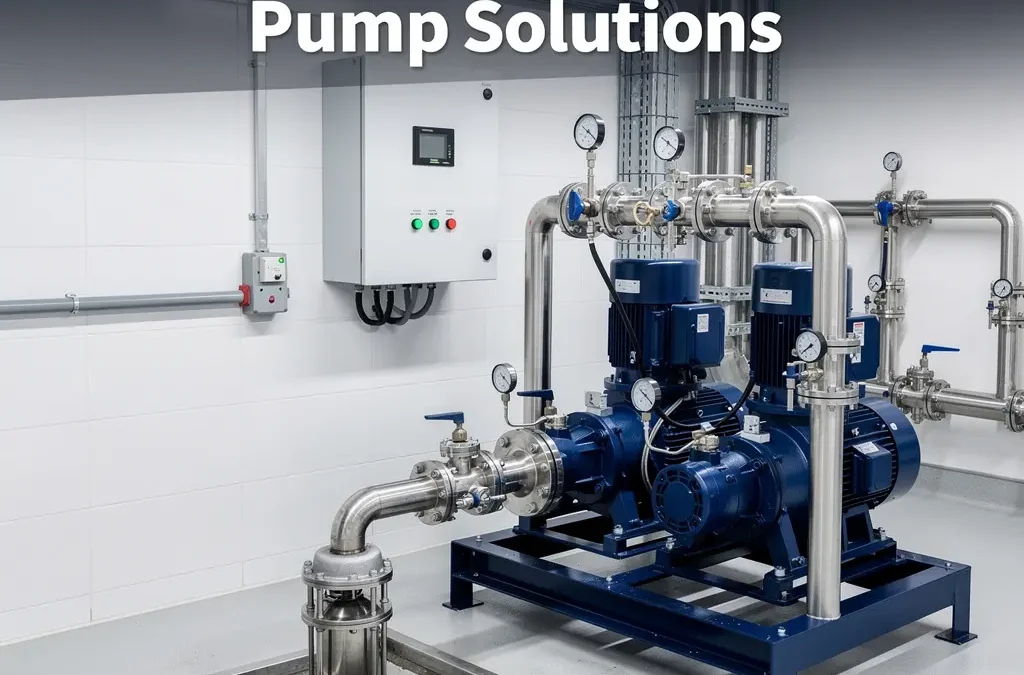
Reliable water pressure and efficient wastewater management are two of the most fundamental operational requirements for any building — yet they are often overlooked until a failure occurs. A professionally specified and installed booster and sewage pump system ensures that your facility maintains consistent water supply pressure at every outlet while managing wastewater and effluent removal efficiently and hygienically. Advanced Systems supplies and installs certified booster and sewage pump solutions across Saudi Arabia, delivering engineered pumping systems tailored to the specific demands of commercial, residential, industrial, and infrastructure facilities of every scale.
What Is a Booster Pump and Why Does Your Facility Need One?
A booster pump is a mechanical device that increases water pressure within a building’s internal distribution network when the incoming mains supply pressure is insufficient to serve all floors and outlets at the required flow rate. In Saudi Arabia’s growing urban landscape — where high-rise towers, large commercial complexes, and multi-building developments are increasingly common — booster pump systems are essential infrastructure that directly affects occupant comfort, operational continuity, and plumbing system performance.
Without an adequately sized booster pump, upper floors experience low water pressure, domestic hot water systems underperform, and fire protection networks that depend on pressurized water supply cannot maintain the minimum pressure required for system operation. Advanced Systems designs booster pump sets that eliminate all of these issues, delivering consistent, reliable pressure throughout the entire facility at all times.
What Is a Sewage Pump and When Is It Required?
A sewage pump — also referred to as a submersible sewage pump or wastewater pump — is designed to transfer raw sewage, wastewater, and effluent from collection points within a building to the municipal sewer network or an on-site treatment system. Sewage pumps are required in any facility where gravity drainage alone is insufficient to convey wastewater to the discharge point — including basement levels, underground car parks, lower-ground service areas, and facilities located below the municipal sewer invert level.
Advanced Systems supplies heavy-duty sewage pump systems built for continuous operation in demanding wastewater environments, with the solids-handling capacity, corrosion resistance, and reliability that commercial and industrial applications require.
Key Components of a Booster Pump System
- Pump Set: Single or multiple pump configuration (duty/standby or duty/duty/standby) sized to the building’s peak demand flow rate and required discharge pressure, typically supplied as a factory-assembled skid-mounted unit.
- Pressure Vessel (Expansion Tank): A pressurized buffer vessel that absorbs system pressure fluctuations, reduces pump start/stop frequency, and protects the system from water hammer.
- Control Panel: Automated control and monitoring system managing pump sequencing, duty/standby rotation, fault detection, and remote alarm signaling — with variable frequency drive (VFD) options for energy-efficient pressure regulation.
- Pressure Sensors and Transducers: Real-time pressure monitoring devices that signal the control panel to start or stop pumps in response to system demand changes.
- Inlet Strainer and Isolation Valves: Protecting the pump set from debris ingress and allowing maintenance isolation without interrupting building water supply.
Key Components of a Sewage Pump System
- Submersible Sewage Pumps: Heavy-duty pumps designed for continuous immersion in raw sewage, with vortex or semi-open impellers sized to pass solids without blockage.
- Wet Well or Pump Sump: A collection chamber that accumulates wastewater and provides the required submergence depth and buffer volume for efficient pump operation.
- Control Panel with Level Sensors: Automated pump start/stop control based on wet well level, with high-level alarms and duty/standby pump alternation for extended equipment life.
- Non-Return Valves and Isolation Valves: Preventing backflow into the wet well and allowing pump maintenance without system shutdown.
- Rising Main Pipework: Pressure pipework conveying pumped sewage from the wet well to the gravity sewer connection or treatment system at the required discharge elevation.
Industries and Facility Types We Serve
Advanced Systems delivers booster and sewage pump installations across a wide range of sectors throughout Saudi Arabia:
- Commercial and Mixed-Use Towers: High-rise office buildings, residential towers, and mixed-use developments requiring multi-pump booster sets with VFD control for energy-efficient pressure management across all floors.
- Hotels and Hospitality: Resorts and hotels demanding consistent water pressure for guest rooms, restaurants, kitchens, laundries, and recreational facilities operating around the clock.
- Healthcare Facilities: Hospitals and clinics where uninterrupted water supply and reliable wastewater removal are critical to patient safety and infection control compliance.
- Industrial and Manufacturing: Process facilities requiring high-flow booster systems for production water supply and heavy-duty sewage pumps for industrial effluent management.
- Shopping Malls and Retail: Large commercial complexes with basement service areas requiring sewage pump systems to manage wastewater from food courts, restrooms, and service zones.
- Residential Compounds and Developments: Multi-building residential projects requiring centralized booster pump stations to maintain consistent pressure across the entire distribution network.
Booster Pumps and Fire Protection System Integration
In many facilities, the building water supply infrastructure that serves domestic booster pump systems is directly linked to the fire protection water supply network. Advanced Systems designs these systems with clear hydraulic separation and prioritization to ensure that fire fighting water demand is always met without compromising domestic supply performance. For facilities that require clean agent suppression alongside water-based protection, our FM200 Fire Suppression Systems provide residue-free protection for sensitive equipment rooms and data centers. Fire protection systems in the same facilities are integrated with certified detection and alarm solutions — including the full range of Fire Alarm Types from conventional to fully addressable platforms — and supported by reliable Fire Alarm Devices covering smoke detectors, heat detectors, and manual call points throughout the building. For mission-critical projects, we deploy leading certified control platforms including the Potter Fire Alarm System to deliver comprehensive, fully coordinated fire and life safety protection.
Advanced Systems: Your Pump Solutions Partner in Saudi Arabia
Advanced Systems is one of Saudi Arabia’s most trusted suppliers and installers of booster and sewage pump systems, with extensive experience delivering certified pumping solutions for commercial, industrial, healthcare, and infrastructure projects across the Kingdom. Our engineering team manages every project phase — from hydraulic design and equipment selection through to installation, commissioning, and long-term maintenance — under one contract, ensuring consistent quality and full compliance with Saudi standards throughout.
We supply pumping systems from internationally certified manufacturers, size every installation to the precise hydraulic demands of each facility, and provide structured maintenance programs that keep your pumps performing reliably for the long term. Contact Advanced Systems today to discuss your booster and sewage pump requirements and receive a tailored proposal for your project.
Frequently Asked Questions About Booster and Sewage Pumps
How do I know if my building needs a booster pump?
If your facility experiences low water pressure on upper floors, inconsistent flow rates at fixtures, or insufficient pressure for domestic hot water and fire protection systems, a booster pump system is required. Advanced Systems conducts hydraulic assessments to determine the correct pump size and configuration for your specific building.
What is the difference between a booster pump and a sewage pump?
A booster pump increases water supply pressure within a building’s clean water distribution network. A sewage pump transfers wastewater and raw sewage from collection points to a discharge point where gravity drainage alone is insufficient. Both are critical building services infrastructure that Advanced Systems designs and installs to the highest standards.
Does Advanced Systems provide maintenance for booster and sewage pump systems?
Yes. Advanced Systems offers structured maintenance contracts for all pump systems we supply and install, covering routine inspections, performance testing, seal and impeller checks, control panel verification, and emergency callout support — keeping your systems fully operational and protecting your investment over the long term.
by Mohamed Elbebhairy | Apr 8, 2026 | Products
When facilities store or handle flammable liquids, hydrocarbons, or combustible materials at scale, a standard water-based suppression system simply cannot deliver the level of protection required. A professionally engineered foam system and bladder tank installation provides the targeted, high-performance fire suppression that these environments demand — smothering flammable liquid fires rapidly and preventing re-ignition with a durable foam blanket. Advanced Systems supplies and installs certified foam system and bladder tank solutions across Saudi Arabia, engineered to NFPA standards and Saudi Civil Defense requirements for oil, gas, industrial, and infrastructure facilities.
What Is a Foam System and Bladder Tank?
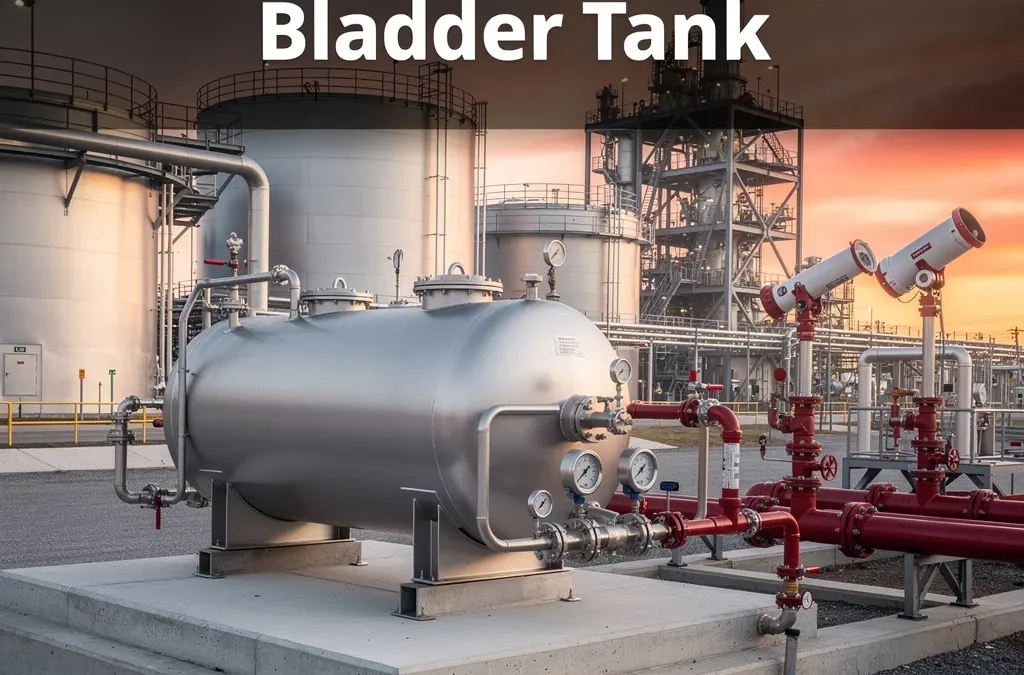
A foam system is an active fire suppression solution that discharges a mixture of water and foam concentrate onto a fire, forming a cohesive blanket that cuts off the oxygen supply, cools the fuel surface, and suppresses flammable vapor release simultaneously. The bladder tank is the storage vessel at the heart of the system — a pressure vessel containing a flexible internal bladder that holds the foam concentrate. As water enters the tank under system pressure, it compresses the bladder and forces foam concentrate out at a precisely controlled proportioning ratio, ensuring consistent foam quality at every discharge point throughout the system.
How a Bladder Tank Foam System Works
When the fire suppression system activates — either automatically through detection or manually — pressurized water flows into the bladder tank and displaces foam concentrate from the bladder into the water stream at a controlled ratio, typically 1%, 3%, or 6% depending on the foam type and application. The resulting foam solution is delivered through a pipe network to foam makers, foam chambers, or discharge nozzles positioned over the protected hazard. The foam expands on contact with air to form a stable, heat-resistant blanket that suppresses the fire and prevents re-ignition until the hazard is fully secured.
Where Foam Systems and Bladder Tanks Are Used
Advanced Systems installs foam system and bladder tank solutions across the following high-risk facility types throughout Saudi Arabia:
- Oil and Gas Facilities: Tank farms, loading terminals, pump stations, and wellhead areas where large volumes of flammable hydrocarbons present extreme fire and explosion risks.
- Petrochemical Plants: Processing facilities handling flammable liquids, solvents, and chemical intermediates that require rapid foam application to suppress fires and prevent vapor cloud formation.
- Aircraft Hangars: NFPA 409-compliant high-expansion or low-expansion foam systems protecting aircraft, fuel systems, and maintenance equipment in enclosed hangar structures.
- Fuel Storage and Distribution: Aboveground storage tanks (ASTs) and fuel farms requiring fixed foam chambers or monitor-based application systems designed to NFPA 11 standards.
- Industrial Warehousing: High-rack storage facilities containing flammable commodities, aerosols, or Class B liquids requiring foam-water sprinkler or deluge system protection.
- Marine and Offshore: Vessel engine rooms, pump rooms, and offshore platform process decks where foam suppression is required under SOLAS and classification society regulations.
Types of Foam Concentrate Used with Bladder Tank Systems
- AFFF (Aqueous Film-Forming Foam): Fast-acting foam that forms a thin aqueous film on hydrocarbon fuel surfaces — the most widely used concentrate for flammable liquid fire protection.
- FFFP (Film-Forming Fluoroprotein Foam): Combines the rapid knockdown of AFFF with the heat resistance and burnback characteristics of protein foam — suited for high-temperature hydrocarbon applications.
- AR-AFFF (Alcohol-Resistant AFFF): Formulated for use on both hydrocarbon fuels and polar solvents such as alcohols, ketones, and esters that break down standard AFFF foam blankets.
- High-Expansion Foam: Very high expansion ratio foam used to flood enclosed spaces such as aircraft hangars, basement car parks, and warehouse structures.
Integrating Foam Systems with Fire Detection and Alarm
A foam system and bladder tank installation performs at its highest level when fully integrated with the facility’s fire detection and alarm infrastructure. Advanced Systems designs every foam suppression project with reliable detection interfacing to ensure automatic system activation with the minimum possible response delay. For facilities that also require clean agent suppression in sensitive equipment areas, our FM200 Fire Suppression Systems complement foam-protected zones by providing residue-free suppression for electronics and control rooms. Understanding the full range of Fire Alarm Types is essential to selecting the right detection platform for foam system triggering — and for mission-critical projects, we integrate with leading certified control solutions including the Potter Fire Alarm System to deliver reliable, fully coordinated fire protection across the entire facility.
Advanced Systems: Your Foam Suppression Specialist in Saudi Arabia
Advanced Systems delivers certified foam system and bladder tank installations for high-risk facilities across the Kingdom of Saudi Arabia. Our engineering team manages every project phase — hazard assessment, system design, NFPA compliance, product supply, installation, commissioning, and maintenance — under one contract. All foam systems and bladder tanks we supply carry international certifications and are sized and engineered to the specific demands of each protected hazard.
Contact Advanced Systems today to discuss your foam suppression requirements and receive a tailored engineering proposal for your facility.
Frequently Asked Questions About Foam Systems and Bladder Tanks
What is the purpose of a bladder tank in a foam system?
A bladder tank stores foam concentrate in a flexible internal bladder within a pressure vessel. When water enters the tank under system pressure, it compresses the bladder and forces concentrate into the water stream at a controlled proportioning ratio — ensuring consistent foam solution quality at every discharge point.
What NFPA standard governs foam system design?
Foam suppression systems for flammable liquid hazards are primarily governed by NFPA 11 (Low-, Medium-, and High-Expansion Foam) and NFPA 16 (Foam-Water Sprinkler Systems). Aircraft hangar foam systems follow NFPA 409. Advanced Systems designs all installations to the applicable NFPA standard and Saudi Civil Defense requirements.
Can Advanced Systems maintain existing foam systems and bladder tanks?
Yes. Advanced Systems provides structured maintenance programs for foam suppression systems, including bladder tank inspections, concentrate sampling and quality testing, proportioner calibration checks, nozzle and valve inspections, and full system discharge tests to verify operational readiness and ongoing compliance.
Page 2 of 11«12345...10...»Last »