by Mohamed Elbebhairy | Apr 8, 2026 | Events
For commercial buildings, industrial facilities, and residential developments across Saudi Arabia, partnering with the right fire fighting equipment suppliers KSA is one of the most important decisions a facility owner or project manager can make. Reliable fire safety equipment suppliers do far more than deliver products — they bring technical expertise, regulatory knowledge, and end-to-end project support that determines whether your fire protection strategy will perform when it matters most. Advanced Systems is one of Saudi Arabia’s leading fire fighting equipment suppliers in KSA, providing a comprehensive portfolio of certified fire safety solutions backed by an experienced engineering team dedicated to protecting lives, assets, and operations across the Kingdom.
Types of Fire Safety Equipment
Professional fire safety equipment suppliers offer a wide range of products tailored to the specific fire hazards, facility types, and regulatory requirements of each client. The following are the core categories of fire safety equipment that any serious supplier should be able to provide:
Fire Extinguishers
Fire extinguishers are portable, first-response suppression devices designed to tackle fires in their earliest stages before they spread and cause significant damage. Selecting the correct extinguisher type for each environment is critical — the wrong agent applied to the wrong fire class can make an emergency significantly worse. Advanced Systems supplies the full range of certified extinguisher types for every application:
- Water Extinguishers: For Class A fires involving ordinary combustible materials such as wood, paper, and cloth. Must not be used on electrical equipment, flammable liquids, or cooking oil fires.
- Foam Extinguishers: Effective on Class A and Class B fires involving flammable liquids such as petrol and oil. The foam blanket smothers the fire and prevents re-ignition. Not suitable for electrical fires.
- CO2 (Carbon Dioxide) Extinguishers: Ideal for Class B and Class C fires, particularly around electrical equipment and flammable liquids. CO2 displaces oxygen to suppress combustion and leaves zero residue — making it the preferred choice for server rooms, control rooms, and office environments.
- Dry Chemical Extinguishers: Versatile multi-class extinguishers effective on Class A, B, and C fires. The dry chemical powder interrupts the fire’s chemical chain reaction rapidly and effectively.
- Wet Chemical Extinguishers: Specifically engineered for Class F fires involving cooking oils and fats. These create a cooling effect and a soapy suppression layer that prevents re-ignition — the essential choice for commercial kitchens, restaurants, and hotel food service operations.
Fire Alarm and Detection Systems
Early, accurate fire detection is the foundation of any effective fire safety strategy. As experienced fire safety equipment suppliers, Advanced Systems provides a complete range of fire alarm and detection solutions including smoke detectors, heat detectors, flame detectors, manual call points, and fire alarm control panels. These systems detect the presence of smoke, heat, or flames at the earliest possible stage — providing the critical warning time needed for safe evacuation and rapid emergency response across facilities of every type and scale.
Fire Suppression Systems
Automatic fire suppression systems are designed to detect and suppress fires without human intervention — providing protection around the clock even in unmanned or high-risk areas. Advanced Systems supplies and installs the full spectrum of suppression solutions, including water sprinkler systems, foam suppression systems, CO2 systems, and clean agent gas suppression — each engineered to the specific hazard profile and occupancy requirements of the protected facility.
The Role of Fire Fighting Equipment Suppliers in KSA
The best fire fighting equipment suppliers KSA do not simply sell products. They function as technical partners who guide clients from initial hazard assessment through to system design, procurement, installation, commissioning, and long-term maintenance. Here is what Advanced Systems delivers across each of these critical roles:
Product Selection and Technical Expertise
Advanced Systems brings in-depth knowledge of fire safety products and their correct application across diverse facility types and hazard classifications. Our team assesses each client’s unique requirements — considering fire hazard types, facility layout and size, occupancy classification, and Saudi Civil Defense regulatory requirements — before recommending the most appropriate and cost-effective fire safety equipment solution.
Regulatory Compliance and Certification
Reputable fire safety equipment suppliers stay fully current with Saudi Civil Defense codes, NFPA standards, and international product certification requirements. Advanced Systems ensures that every product we supply meets the required certifications — UL, FM Global, CE, or EN — giving clients complete confidence in the compliance, reliability, and performance of their fire safety infrastructure from day one.
Installation and Maintenance Services
Advanced Systems provides professional installation, commissioning, regular inspection, and structured maintenance services for all fire safety equipment we supply. Our installation teams work to approved engineering drawings with precision, and our maintenance programs keep every system in peak operational condition — ensuring ongoing compliance and reliable performance throughout the equipment’s service life.
Emergency Planning and Consulting
Beyond equipment supply and installation, Advanced Systems assists clients in developing comprehensive fire safety plans tailored to their specific facilities. This includes evacuation procedure planning, fire drill coordination, emergency response protocol development, and expert guidance on the optimal placement and positioning of fire safety equipment for maximum coverage and accessibility across the protected environment.
Ongoing Support and Customer Service
Advanced Systems prioritizes long-term client relationships built on responsive support and reliable service. Our team is available to address technical queries, provide troubleshooting assistance, and advise on equipment upgrades or system expansions as facility needs evolve. This commitment to after-sales support is what distinguishes Advanced Systems from transactional equipment vendors and establishes us as a trusted, long-term fire safety partner.
How to Choose the Right Fire Fighting Equipment Supplier in KSA
With multiple fire fighting equipment suppliers KSA operating in the market, selecting the right partner requires careful evaluation across several key dimensions:
Reputation and Industry Experience
Choose a supplier with a proven track record and verifiable project references across your industry sector. Advanced Systems brings extensive experience delivering fire safety solutions for commercial, industrial, healthcare, hospitality, and infrastructure projects across Saudi Arabia — with a technical team that stays current with the latest industry developments, product innovations, and evolving Civil Defense requirements.
Product Quality and Certification
Verify that all products offered by the supplier carry internationally recognized certifications and are sourced from manufacturers with a demonstrated commitment to quality and reliability. Advanced Systems supplies only certified fire safety equipment that meets the highest applicable standards — providing clients with cost-effective protection solutions they can rely on to perform under real emergency conditions.
Technical Support and Training
The right fire safety equipment supplier provides structured support beyond the point of sale — including installation assistance, maintenance programs, user training, and technical resources that empower facility teams to operate and maintain their fire safety systems confidently and correctly.
Choosing Advanced Systems as your fire safety partner means accessing a complete, end-to-end fire protection capability — from initial consultation and certified product supply through to professional installation, commissioning, and long-term maintenance support — all delivered by a team with the technical depth and project experience your facility deserves. Contact Advanced Systems today to discuss your fire safety equipment requirements in Saudi Arabia.
Read More:
Firefighting Company in Saudi Arabia
Fire Alarm Control Panel
Firefighting Systems
Fire Protection Products
Fire Fighting Gas Systems
Fire Hydrant Pump Prices
Fire Hose Cabinet Price
Fire Water Booster Pump
Fire Alarm Types
Foam Firefighting Equipment
by Mohamed Elbebhairy | Apr 7, 2026 | Products
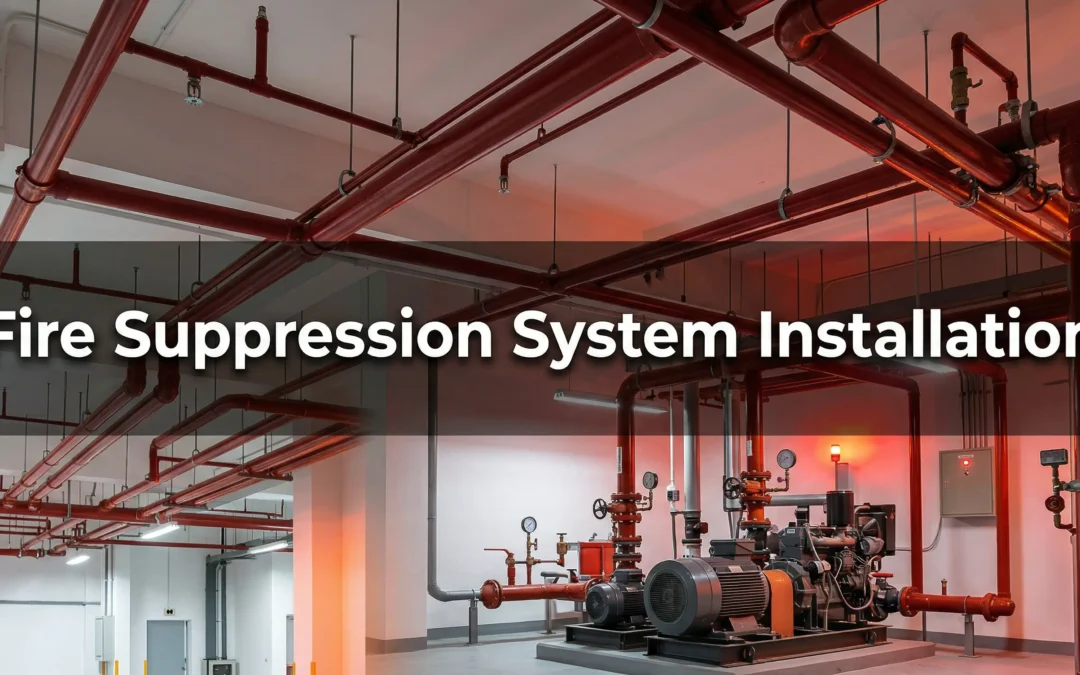
A professionally executed fire suppression system installation is one of the most important investments a facility owner, developer, or project manager can make. It is not simply about placing equipment — it is about engineering a system that performs with precision when a real emergency occurs, meets Saudi Civil Defense regulations from day one, and protects lives, assets, and operational continuity simultaneously. Advanced Systems delivers end-to-end fire suppression system installation services across Saudi Arabia, combining certified engineering expertise with internationally compliant product supply for facilities of every type and scale.
Why Professional Fire Suppression System Installation Matters
Fire suppression systems are life-safety infrastructure. An improperly designed or poorly installed system creates a dangerous illusion of protection — the equipment is present, but it will not perform reliably when it matters most. A professional fire suppression system installation ensures that every component is correctly sized, precisely positioned, hydraulically calibrated, and fully integrated with the facility’s detection and alarm network. It also guarantees that the system passes Saudi Civil Defense inspections and meets the applicable NFPA codes required for building occupancy and insurance compliance.
For facility owners in Saudi Arabia, the consequences of non-compliant or substandard installations go beyond regulatory penalties. They include voided insurance coverage, operational shutdowns, and — most critically — systems that fail at the moment of an actual fire event. Partnering with an experienced, certified provider like Advanced Systems eliminates these risks from the very start of your project.
Step-by-Step: How a Fire Suppression System Installation Works
Step 1 — Site Survey and Hazard Assessment
Every successful fire suppression system installation begins with a thorough site survey conducted by qualified fire protection engineers. This assessment evaluates the facility’s floor plan, ceiling heights, occupancy type, fire load classification, and any specific hazards present — such as flammable liquids, electrical equipment, or high-value assets requiring specialized suppression agents. The data gathered at this stage forms the foundation for every subsequent design and engineering decision.
Step 2 — System Design and Engineering
Based on the site assessment, Advanced Systems’ engineering team develops a complete system design that specifies the suppression agent, pipe network layout, nozzle and sprinkler head positions, control valve locations, pump sizing, and integration points with the fire detection and alarm infrastructure. All designs are prepared in compliance with NFPA 13, NFPA 14, NFPA 20, and Saudi Civil Defense codes, and include full hydraulic calculations to verify system performance under worst-case fire scenarios.
Step 3 — Regulatory Approvals and Permit Coordination
Before physical installation begins, the completed design documentation is submitted to the relevant Saudi Civil Defense authority for technical review and approval. Advanced Systems manages this entire approval process on behalf of the client — preparing the required technical submittals, coordinating with reviewing engineers, and resolving any queries to ensure approvals are obtained efficiently and without unnecessary project delays.
Step 4 — Supply of Certified Equipment and Materials
Every component used in an Advanced Systems fire suppression system installation is sourced from internationally certified manufacturers and carries the required UL, FM Global, or CE certifications. This includes sprinkler heads, pipes and fittings, fire fighting pumps, suppression agent cylinders, control valves, and fire alarm interface devices. Certified product quality is non-negotiable — it directly determines whether the system will function as designed under real fire conditions.
Step 5 — Professional Installation
The physical installation is carried out zone by zone by Advanced Systems’ trained installation teams, following the approved design drawings with precision. Pipe supports are secured to structural elements, sprinkler heads and nozzles are installed at the correct spacing and orientation, control valves are positioned at accessible service points, and all electrical connections to detection and suppression control panels are made in accordance with manufacturer specifications and applicable wiring codes. Every connection is pressure tested during installation to verify integrity before the system is brought online.
Step 6 — Testing, Commissioning, and Handover
Once installation is complete, Advanced Systems conducts comprehensive functional testing of the entire system — including flow tests, pressure tests, detector calibration checks, alarm integration verification, and suppression control panel programming validation. Any deficiencies identified during testing are corrected before the system is declared fully commissioned. Clients receive complete as-built documentation, a maintenance schedule, and full operational training for facility staff at project handover.
Types of Fire Suppression Systems We Install
Water-Based Suppression Systems
Wet pipe, dry pipe, pre-action, and deluge sprinkler systems remain the most widely deployed fire suppression solution across commercial, industrial, and residential facilities. Advanced Systems designs and installs water-based suppression systems in full compliance with NFPA 13 and NFPA 14, covering everything from office buildings and shopping centers to warehouses and industrial plants.
Fire Fighting Pump Systems
The fire fighting pump is the heart of any water-based suppression system, maintaining water pressure throughout the entire network during a fire event. Advanced Systems supplies and installs electric, diesel, and jockey pump configurations sized to the exact hydraulic demands of each installation, meeting NFPA 20 requirements and Saudi Civil Defense pump room specifications for commercial, industrial, and infrastructure projects of all scales.
Clean Agent Suppression Systems
For facilities housing sensitive electronics, data centers, server rooms, or control rooms, water-based suppression is not appropriate. Advanced Systems installs FM200 Fire Suppression Systems and CO2 suppression systems that deliver fast, clean, residue-free fire suppression without causing secondary damage to equipment or operational assets — protecting the facility and its contents simultaneously.
Gas Suppression Systems
For industrial applications, engine rooms, marine environments, and enclosed hazard spaces, Advanced Systems installs CO2 and other gaseous suppression systems engineered to total flooding and local application configurations in compliance with NFPA 12 and applicable Saudi Civil Defense standards.
Integrating Suppression with Fire Detection and Alarm
A fire suppression system installation is only as effective as the detection network that triggers it. Advanced Systems designs every suppression project with full integration of fire detection devices, notification systems, and suppression control panels from the outset. Understanding the full range of Fire Alarm Types — from conventional zone-based systems to fully addressable intelligent platforms — is essential to ensure that the detection-to-suppression response time is optimized for each specific facility layout. For mission-critical projects, we integrate suppression systems with leading certified control platforms including the Potter Fire Alarm System, which provides advanced zone monitoring, reliable suppression panel interfacing, and comprehensive event logging for compliance and audit purposes.
Common Mistakes to Avoid in Fire Suppression System Installation
Many fire suppression failures and compliance issues stem from avoidable errors made during design or installation. Advanced Systems’ project delivery process is specifically structured to eliminate the following common problems:
- Undersized pipe networks: Insufficient pipe diameters reduce water flow and pressure below the minimum required to suppress a fire effectively.
- Incorrect sprinkler head spacing: Poor spacing leaves unprotected areas that allow fire to spread before suppression activates.
- Inadequate pump sizing: An undersized fire fighting pump cannot maintain system pressure during a full-demand discharge event.
- Missing or incorrect hydraulic calculations: Without verified flow calculations, there is no engineering basis to confirm the system will perform as required.
- Poor detection integration: Suppression systems that are not properly interfaced with detection devices may not activate on time — or may activate unnecessarily.
- Non-certified components: Using uncertified products voids compliance, fails Civil Defense inspections, and introduces unpredictable system behavior under fire conditions.
Industries We Serve Across Saudi Arabia
Advanced Systems delivers fire suppression system installation services across a broad range of sectors throughout the Kingdom:
- Commercial Buildings and Towers: Office complexes, mixed-use developments, and high-rise residential buildings.
- Industrial Facilities: Manufacturing plants, factories, and processing facilities with high fire loads and complex hazard profiles.
- Healthcare: Hospitals and medical centers requiring systems that protect patients, staff, and sensitive medical infrastructure simultaneously.
- Hospitality: Hotels, resorts, and serviced apartment buildings operating around the clock.
- Oil, Gas, and Petrochemical: High-risk environments demanding the highest standards of suppression engineering and certified equipment performance.
- Data Centers and Telecom: Mission-critical facilities where suppression speed and asset preservation are equally important priorities.
- Education and Government: Schools, universities, and public sector buildings with strict occupant safety requirements.
Advanced Systems: Your Fire Suppression Installation Partner in KSA
Advanced Systems is one of Saudi Arabia’s most experienced fire protection providers, delivering certified fire suppression system installation services that meet Civil Defense requirements and international fire safety standards on every project. From initial site assessment and engineering design through to commissioning, handover, and long-term maintenance, we manage every phase of your project under one contract — eliminating coordination complexity and ensuring consistent quality throughout.
Our team brings extensive cross-sector experience, an internationally certified product portfolio, and a project delivery methodology built around precision, compliance, and client confidence. Whether you are working on a new construction project or upgrading an existing system, Advanced Systems provides the engineering quality and operational reliability your facility demands.
Contact Advanced Systems today to discuss your fire suppression system installation requirements and receive a tailored engineering proposal for your project.
Frequently Asked Questions About Fire Suppression System Installation
How long does a fire suppression system installation take?
Installation timelines vary based on facility size, system type, and project complexity. A standard commercial fire suppression system installation typically takes between two and eight weeks from mobilization to commissioning. Advanced Systems provides detailed project schedules at the proposal stage so clients can plan accordingly.
What standards govern fire suppression system installation in Saudi Arabia?
Fire suppression system installations in Saudi Arabia must comply with Saudi Civil Defense regulations and applicable NFPA codes — primarily NFPA 13 for sprinkler systems, NFPA 14 for standpipe systems, NFPA 20 for fire pump installations, and NFPA 12 for CO2 systems. Advanced Systems designs and installs all systems to these standards on every project.
Does Advanced Systems handle Civil Defense approvals?
Yes. Advanced Systems manages the complete Civil Defense approval process — including design submission, technical review coordination, and approval follow-up — as part of our standard project delivery service.
Can Advanced Systems install suppression systems in existing buildings?
Absolutely. We have extensive experience retrofitting and upgrading fire suppression systems in occupied facilities across Saudi Arabia, carefully planning installation sequences to minimize disruption to ongoing operations while ensuring full compliance upon project completion.
by Mohamed Elbebhairy | Apr 7, 2026 | Events
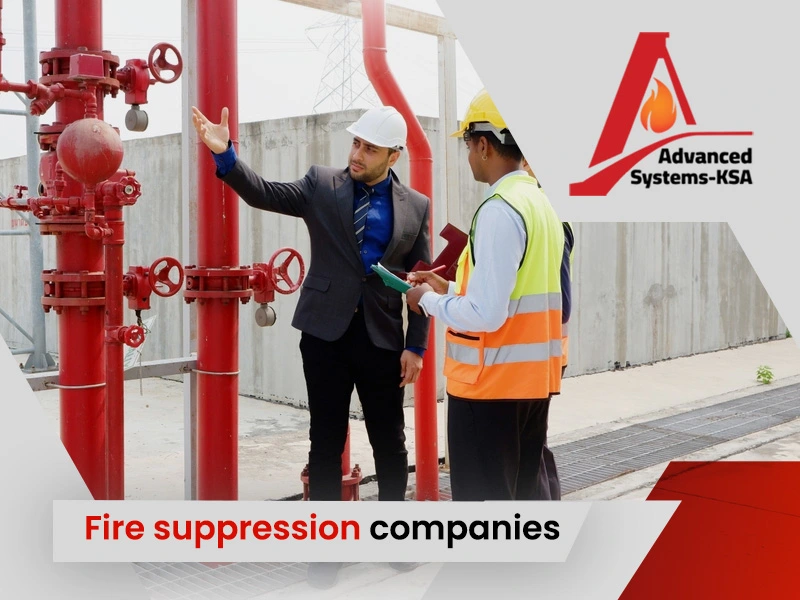
Fire suppression companies in Saudi Arabia, In the arid climate of Saudi Arabia, where temperatures soar and fire hazards abound, the role of the fire suppression industry is paramount. Saudi Arabia’s commitment to protecting lives and property against the ravages of fire is reflected in the proactive measures taken by both the government and fire suppression companies.
A Look into Saudi Arabia’s Proactive Government Initiatives and Regulations in Fire Safety
Fire is a major threat to life and property in Saudi Arabia. The country’s hot, dry climate and rapidly growing population make it particularly vulnerable to fires. In recent years, there have been several large and destructive fires in Saudi Arabia, including the 2012 fire at the Al-Azizia Mall in Jeddah.
Read About: Best Of The Fire Alarm Devices
The Saudi government has taken some steps to improve fire safety in the country. In 2016, the government established the Saudi Arabian Fire Safety Association (SAFSA) to promote fire safety awareness and education. SAFSA provides training and certification programs for firefighters, fire safety engineers, and other professionals.
The government has also enacted many fire safety regulations. These regulations require buildings to have fire alarms, fire sprinklers, and other fire safety systems. They also require businesses to develop fire safety plans and to train their employees on fire safety procedures.
A flare of protection: The surging presence of fire suppression companies in Saudi Arabia
In Saudi Arabia, the rise of fire suppression companies marks a pivotal shift in the nation’s fire safety landscape. These companies, armed with expertise and cutting-edge technologies, stand as a bulwark against the destructive potential of fires.
Know More About: How to Choosing The Best Fire Sprinklers
This growing presence signifies a proactive approach to safeguarding lives and property from fire hazards. Fire suppression companies offer a comprehensive suite of services, including risk assessments, design, installation, and maintenance of tailor-made fire suppression systems. These systems, encompassing sprinklers, water mist, and gas suppression, cater to the specific needs of each client, collectively igniting a new era of safety and security across the Kingdom.
-
Fire suppression companies in KSA are promoting fire safety awareness
Fire suppression companies in KSA are actively promoting fire safety awareness and education through training programs and community outreach initiatives. These efforts empower individuals with the knowledge and skills to prevent and respond to fire emergencies effectively, contributing to a safer and more resilient society.
Fire suppression companies in KSA: providing technology-driven solutions for enhanced fire safety
Fire suppression companies are embracing the power of technology to proactively enhance fire safety outcomes and minimize risks.
-
Advanced Fire Detection Systems
One key area of focus is the deployment of advanced fire detection systems. These systems go beyond traditional smoke and heat detectors, utilizing features like multi-sensor detection and real-time data analysis to identify fire hazards at earlier stages, allowing for faster intervention and minimizing damage.
-
Smart monitoring solutions
Fire suppression companies are leveraging smart monitoring solutions to continuously monitor various building parameters like temperature, humidity, and air quality. This data is used to identify potential fire risks before they escalate, enabling preventative measures and targeted resource allocation.
Predictive analytics is another powerful tool employed by these companies. By analyzing historical data and real-time information, they can predict fire risks with greater accuracy, enabling proactive measures such as targeted inspections and maintenance in high-risk areas.

fire suppressions
Vital advice from Saudi fire suppression companies: awareness and prevention are Key
Here are some essential advices emphasized by Saudi fire suppression companies:
You should have a clear and well-defined fire evacuation plan in place. This plan should include designated evacuation routes, assembly points, and procedures for alerting authorities and occupants in the event of a fire.
-
Get a high-quality fire suppression system
Invest in quality fire detection and suppression systems tailored to the specific needs and requirements of each premises. Early detection of fires can significantly reduce response times and allow for timely intervention before the situation escalates.
-
Get the support from Fire suppression companies’ experts
Installing fire suppression systems is crucial, but the journey doesn’t end there. Regular maintenance and testing, including smoke detectors, fire extinguishers, and sprinkler systems, are essential to guarantee their proper functioning and reliability. Don’t let complacency set in – schedule regular maintenance and testing to ensure your fire safety systems are always ready to protect you.
If assistance is needed, reach out to “Advanced Systems” for expert advice and customized fire-fighting solutions, along with comprehensive fire system maintenance services.
Read More:
Fire hydrant and monitor

Firefighting Tools And Equipments

Fire protection products

Fire Hydrant Pump Prices

Fire Hose Cabinet Price

Fire Alarm Types

Conventional Fire Alarm Panels

Fire Cabinet Hose Suppliers

Foam Firefighting Equipment
by Mohamed Elbebhairy | Apr 6, 2026 | Products
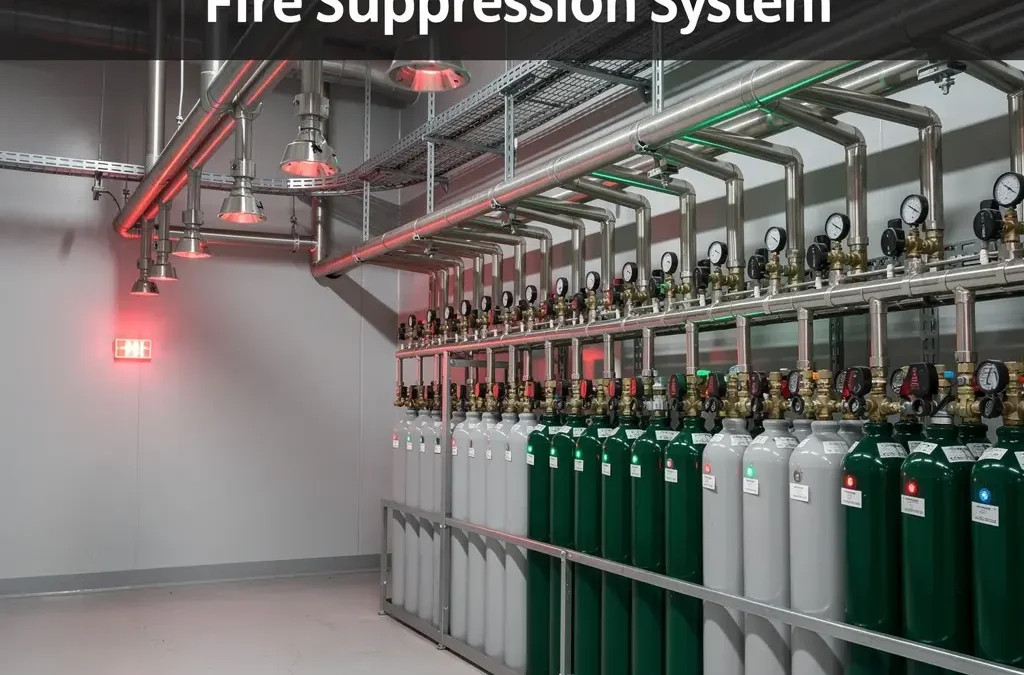
When protecting facilities where water-based suppression would cause as much damage as the fire itself, a Carbon Dioxide (CO2) system stands as one of the most trusted and technically sound solutions available. From industrial plants and power generation facilities to server rooms and printing operations, the CO2 system delivers rapid, residue-free fire suppression that neutralizes fire at the source without endangering valuable assets. Advanced Systems supplies, designs, and installs certified CO2 fire suppression systems across Saudi Arabia, engineered to meet NFPA 12 standards and Saudi Civil Defense requirements for demanding environments.
What Is a Carbon Dioxide (CO2) System?
A Carbon Dioxide (CO2) system is a gaseous fire suppression solution that works by displacing the oxygen concentration in a protected space below the threshold required for combustion. CO2 is a colorless, odorless, electrically non-conductive gas with a high expansion rate, making it highly effective at flooding enclosed hazard areas quickly and thoroughly. Because it leaves zero residue after discharge, the CO2 system is especially valuable in environments where cleanup downtime or equipment contamination would be unacceptable.
The governing standard for CO2 suppression system design, installation, and maintenance is NFPA 12 — the internationally recognized code followed by Advanced Systems on every project to ensure full compliance and peak system performance.
How Does a CO2 System Work?
When a fire is detected — either through automatic detectors or manual activation — the CO2 system releases stored carbon dioxide gas through a network of distribution pipes and discharge nozzles into the protected space. The rapid influx of CO2 reduces the oxygen level in the area to a point where combustion can no longer be sustained, suppressing the fire within seconds. The system can operate in two primary modes depending on the facility layout and hazard type:
- Total Flooding: CO2 is discharged throughout an enclosed space to protect the entire area simultaneously — ideal for enclosed rooms, electrical switchgear rooms, and server spaces.
- Local Application: CO2 is directed precisely at specific equipment or hazard surfaces without flooding the entire room — suitable for localized risks such as printing presses, dip tanks, or individual machinery.
Key Components of a CO2 Fire Suppression System
A professionally engineered Carbon Dioxide (CO2) system consists of several integrated components that must be correctly sized, positioned, and commissioned to deliver reliable performance:
- CO2 Storage Cylinders: High-pressure steel cylinders storing liquid CO2, available in both high-pressure and low-pressure configurations depending on the application scale and storage requirements.
- Distribution Piping Network: A system of pipes engineered to deliver CO2 at the correct flow rate and pressure to every discharge point within the protected zone.
- Discharge Nozzles: Precisely positioned nozzles designed to distribute CO2 evenly and effectively throughout the hazard area or directly onto the protected equipment.
- Control Panel and Detection Interface: The CO2 system is integrated with fire detection devices — smoke detectors, heat detectors, and manual call points — connected to a dedicated suppression control panel that manages automatic and manual activation sequences.
- Pressure Safety Valves: Safety devices installed on cylinders to protect against over-pressurization, particularly important in high-temperature storage environments.
- Pre-Discharge Warning Devices: Audible and visual alarms that activate before CO2 discharge to allow personnel to evacuate the protected area safely.
Where Is the CO2 System Used?
The CO2 system is specifically engineered for environments where alternative suppression agents — water, foam, or dry powder — would cause unacceptable secondary damage or operational disruption. Advanced Systems installs CO2 suppression systems across the following facility types in Saudi Arabia:
- Industrial Plants and Factories: Protection for manufacturing machinery, control rooms, and process equipment in high fire-load industrial environments.
- Power Generation and Electrical Facilities: CO2 is non-conductive and safe for use around live electrical equipment, making it the preferred choice for generator rooms, transformer vaults, and switchgear enclosures.
- Marine and Offshore Applications: Engine rooms, pump rooms, and cargo holds on vessels and offshore platforms where CO2 has a decades-long proven track record.
- Printing and Coating Operations: Local application systems protect printing presses, coating lines, and ink tanks where flammable solvents present a persistent fire risk.
- Warehousing and Storage Facilities: Total flooding systems for enclosed storage areas containing flammable materials or high-value inventory.
- Data Centers and Control Rooms: Where equipment preservation is critical alongside fire suppression speed — though for occupied sensitive spaces, our FM200 Fire Suppression Systems may be recommended as a safer alternative for personnel exposure.
CO2 System vs. Other Suppression Agents
Selecting the right suppression agent depends on the specific hazard, occupancy type, and operational requirements of each facility. Here is how the CO2 system compares to alternative suppression solutions:
- CO2 vs. Water Sprinklers: CO2 leaves zero residue and is safe for electrical equipment; water causes significant secondary damage to electronics, archives, and machinery.
- CO2 vs. FM200: FM200 is safer for occupied spaces as it suppresses fire at lower concentrations without creating oxygen depletion; CO2 is hazardous to personnel at suppression concentrations and requires strict evacuation protocols before discharge.
- CO2 vs. Dry Powder: CO2 leaves no residue; dry powder leaves a corrosive chemical residue that can cause significant secondary damage to equipment and requires extensive cleanup.
- CO2 vs. Foam: CO2 is more suitable for electrical and enclosed hazards; foam is generally applied to flammable liquid spills and open-area storage risks.
Why CO2 Systems Must Be Professionally Designed and Installed
A Carbon Dioxide (CO2) system is a high-pressure, life-safety-critical installation that requires precise engineering at every stage. Incorrect cylinder sizing, inadequate pipe flow calculations, or improperly positioned nozzles will result in a system that fails to suppress fire effectively — or worse, creates a serious safety hazard for occupants. Advanced Systems brings in-house engineering expertise, certified product supply, and rigorous commissioning testing to every CO2 project, ensuring the completed system performs exactly as designed under real emergency conditions.
Every installation we deliver is supported by hydraulic flow calculations, NFPA 12-compliant design documentation, and full coordination with Saudi Civil Defense approval processes from the outset.
Integrating CO2 Systems with Fire Detection and Alarm
A CO2 suppression system only performs to its full potential when integrated with a reliable fire detection and notification platform. Advanced Systems designs fully integrated solutions that connect CO2 suppression control panels with addressable detection networks. Understanding the range of Fire Alarm Types available — from conventional zone systems to intelligent addressable platforms — is essential to ensuring that detection response time triggers CO2 discharge before a fire spreads beyond control. For mission-critical facilities, we integrate CO2 systems with leading certified control platforms, including the Potter Fire Alarm System, which provides advanced zone-by-zone monitoring and reliable suppression control panel interfacing across complex facility layouts.
Advanced Systems: Your CO2 Suppression Specialist in Saudi Arabia
Advanced Systems is a leading fire protection solutions provider in the Kingdom of Saudi Arabia, delivering certified Carbon Dioxide (CO2) system installations for industrial, commercial, and infrastructure facilities of all scales. Our engineering team manages every aspect of your project — site assessment, system design, hydraulic calculations, product supply, professional installation, commissioning, and structured maintenance programs — under one contract.
We work with internationally certified components, follow NFPA 12 and Saudi Civil Defense standards on every project, and provide full technical documentation to support regulatory approvals. Whether you are protecting a new facility or upgrading an existing suppression system, Advanced Systems delivers the engineering quality and project reliability your operation demands.
Contact Advanced Systems today to discuss your CO2 suppression requirements and receive a tailored engineering proposal for your facility.
Frequently Asked Questions About CO2 Fire Suppression Systems
What is a Carbon Dioxide (CO2) system used for?
A CO2 system is used to suppress fires in enclosed spaces and around high-value equipment where water or chemical agents would cause secondary damage. Common applications include electrical rooms, industrial machinery, generator enclosures, marine engine rooms, and printing operations.
Is a CO2 system safe for occupied spaces?
CO2 at fire suppression concentrations is hazardous to humans as it displaces oxygen. CO2 systems in areas where personnel may be present must include pre-discharge alarms, time delays, and clear evacuation protocols. For regularly occupied spaces, FM200 or other personnel-safe clean agents are typically recommended.
What standard governs CO2 suppression system design?
The primary international standard for CO2 suppression system design and installation is NFPA 12. Advanced Systems designs and installs all CO2 systems in compliance with NFPA 12 and applicable Saudi Civil Defense regulations.
Does Advanced Systems provide CO2 system maintenance?
Yes. Advanced Systems offers structured maintenance programs for CO2 suppression systems, including regular cylinder weight checks, valve inspections, nozzle verification, detection system testing, and full system performance reviews to ensure ongoing compliance and operational readiness.
by Mohamed Elbebhairy | Apr 6, 2026 | Products
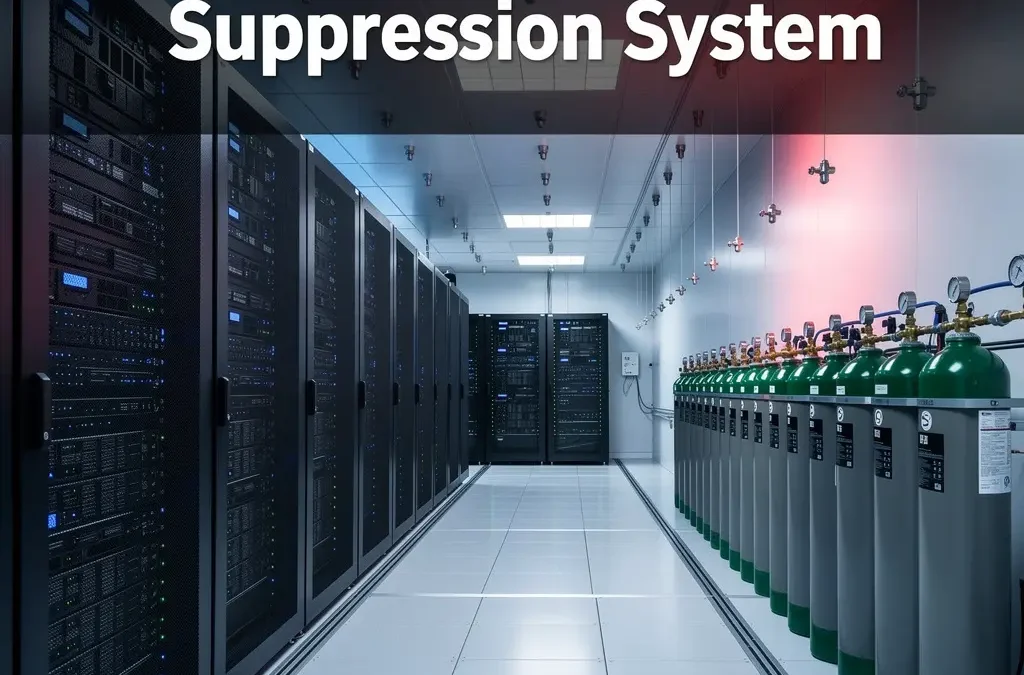
When protecting critical assets from fire damage, speed and precision are everything. The FM200 fire suppression system delivers both — suppressing fires within seconds without damaging the equipment, documents, or infrastructure it protects. At Advanced Systems, we design, supply, and install FM 200 fire suppression systems across Saudi Arabia, helping organizations protect their most valuable spaces with a solution that is trusted globally and proven in the most demanding environments.
What Is an FM200 System?
An FM200 system is a clean agent fire suppression solution that uses heptafluoropropane (HFC-227ea) as its primary suppression agent. Unlike water-based or foam systems, FM200 extinguishes fires by absorbing heat rapidly and interrupting the chemical reaction of combustion — all without leaving any residue, water damage, or harmful deposits behind.
This makes the FM200 fire suppression system the preferred choice for environments where water or powder suppression would cause as much damage as the fire itself. Data centers, server rooms, archives, control rooms, and medical facilities are among the most common applications because they house irreplaceable equipment and sensitive materials that cannot tolerate conventional suppression methods.
How Does the FM200 Fire Suppression System Work?
The FM200 system operates through a straightforward but highly effective mechanism. When fire detectors identify a fire event, the control panel triggers the release of FM200 agent stored in pressurized cylinders. The agent is discharged through a network of pipes and nozzles directly into the protected space, reaching suppression concentration within ten seconds or less.
At the correct concentration level, FM200 absorbs the heat energy that sustains combustion, effectively extinguishing the fire without reducing oxygen levels significantly. This means the space remains safe for any occupants who have not yet evacuated, while the protected assets are left completely intact. Once the system discharges, the space can be restored to normal operation quickly after ventilation and recharging.
Key Benefits of FM200 Fire Suppression Systems
The growing adoption of FM 200 fire suppression systems across critical industries is driven by a combination of practical and performance advantages that few alternatives can match:
- Fast Suppression: FM200 reaches extinguishing concentration in under ten seconds, minimizing fire damage and reducing the risk to both assets and occupants.
- Zero Residue: The agent leaves no residue, foam, powder, or water behind, which means no secondary damage and no lengthy cleanup process after discharge.
- Safe for Occupied Spaces: At standard suppression concentrations, FM200 is safe for people, making it suitable for spaces that may not be fully evacuated before discharge.
- Environmentally Acceptable: FM200 has zero ozone depletion potential and is accepted under current international environmental regulations as a compliant clean agent.
- Compact Storage: FM200 is stored as a liquefied gas under pressure, which means the cylinders are compact and require minimal storage space compared to inert gas alternatives.
- Globally Certified: FM200 is listed and approved under major international standards including NFPA 2001, making it compliant for use in regulated industries worldwide.
Where Is the FM200 System Used?
The versatility and clean-agent nature of FM200 fire suppression systems make them suitable across a wide range of sectors and facility types. Common applications include:
Data Centers and Server Rooms
These environments house servers, networking equipment, and irreplaceable data. Water or powder suppression would destroy the very assets being protected. FM200 suppresses the fire instantly while leaving all equipment completely dry and operational.
Telecommunications Facilities
Telecom infrastructure operates continuously and cannot afford downtime. FM200 discharges rapidly and allows the facility to resume normal operations with minimal interruption after a fire event.
Control Rooms and Command Centers
Operational control rooms in oil, gas, utilities, and industrial facilities require continuous uptime. The FM200 system protects the electronics and control systems within these rooms without triggering the kind of damage that alternative suppression methods would cause.
Archives and Museums
Documents, records, artworks, and historical materials cannot be replaced once destroyed. FM200 protects these irreplaceable items from both fire and suppression-related damage.
Medical and Laboratory Facilities
Sensitive medical equipment and laboratory instruments require a clean, residue-free suppression solution. FM200 is widely used in operating theaters, diagnostic rooms, and research laboratories for precisely this reason.
FM200 vs. Other Clean Agent Systems
While FM200 is among the most widely used clean agent systems, it is useful to understand how it compares to other options. The primary alternative is inert gas systems, such as Inergen or Argon-based solutions. Inert gas systems work by reducing oxygen levels and typically require larger cylinder storage volumes, making them more suitable for larger spaces. FM200 is often preferred for smaller to medium-sized rooms where fast discharge and compact storage are important considerations.
Compared to The Foam Fire Suppression systems, FM200 is clearly more appropriate for enclosed spaces housing sensitive assets. Foam systems excel in large open areas such as aircraft hangars or fuel storage facilities, where FM200 would not be the right fit. Understanding these differences helps facility managers select the correct solution for each specific application.
Integration with Fire Detection and Alarm Systems
An FM200 fire suppression system does not operate in isolation — it works as part of a larger fire safety ecosystem. Integration with reliable fire detection and alarm systems is essential to ensure that the FM200 system activates at the right moment, without false discharges and without unnecessary delays.
Understanding the different Fire Alarm Types helps project planners choose detection configurations that work effectively with FM200 suppression. Addressable systems, for example, provide precise location data that reduces response time and triggers the correct suppression zone automatically when a fire is confirmed. The quality of the detection system directly affects how well the FM200 system performs.
At Advanced Systems, we integrate FM200 suppression systems with high-quality The Fire Alarm Devices to create a complete detection-to-suppression solution. This ensures that the entire system — from the first smoke particle detected to the final suppression discharge — operates as a single coordinated response.
FM200 System Installation and Compliance in Saudi Arabia
Installing an FM200 fire suppression system in Saudi Arabia requires compliance with local Civil Defense regulations as well as internationally recognized standards such as NFPA 2001. Proper system design, cylinder sizing, pipe network calculation, and discharge nozzle placement are all critical factors that must be handled by qualified engineers to ensure the system performs correctly during an actual fire event.
Advanced Systems has a dedicated engineering team experienced in designing and installing FM200 systems across a wide range of facility types in the Kingdom. We handle every stage of the project — from initial site assessment and system design through to supply, installation, testing, and commissioning — ensuring full compliance and optimal performance from day one.
Maintaining Your FM200 System
Like all fire protection systems, an FM200 system requires regular maintenance to remain reliable and compliant. Periodic inspection of cylinder pressure, nozzle condition, detection device functionality, and control panel status are all essential components of a proper maintenance schedule. In addition, after any discharge event, the cylinders must be recharged promptly to restore the system to full readiness.
Advanced Systems provides comprehensive after-sales maintenance programs for FM200 installations, giving facility managers confidence that their suppression system will perform when it is needed most. Our complete fire safety offering also includes solutions such as Fire Hose Cabinet Price options and firefighting equipment to complement your FM200 setup as part of a fully integrated fire protection strategy.
Frequently Asked Questions About FM200 Fire Suppression Systems
Is the FM200 system safe for people?
Yes. At standard suppression concentrations, the FM200 agent is considered safe for occupied spaces. However, best practice always involves evacuating the protected area when the system is triggered.
How long does FM200 take to extinguish a fire?
The FM200 fire suppression system is designed to reach suppression concentration within ten seconds of activation, making it one of the fastest clean agent solutions available.
Does FM200 damage equipment or documents?
No. FM200 is a clean agent that leaves zero residue after discharge. It does not damage electronics, documents, artworks, or any other sensitive materials in the protected space.
Is the FM200 system compliant with Saudi Civil Defense requirements?
Yes, when properly designed and installed to NFPA 2001 and local Civil Defense standards, FM 200 fire suppression systems are fully compliant for use in Saudi Arabia across a wide range of facility types.
Can the FM200 system be integrated with existing fire alarm infrastructure?
Yes. FM200 systems are designed to integrate with most standard fire detection and alarm platforms. Advanced Systems engineers assess compatibility during the design phase to ensure seamless integration with existing systems.
Page 3 of 11«12345...10...»Last »