
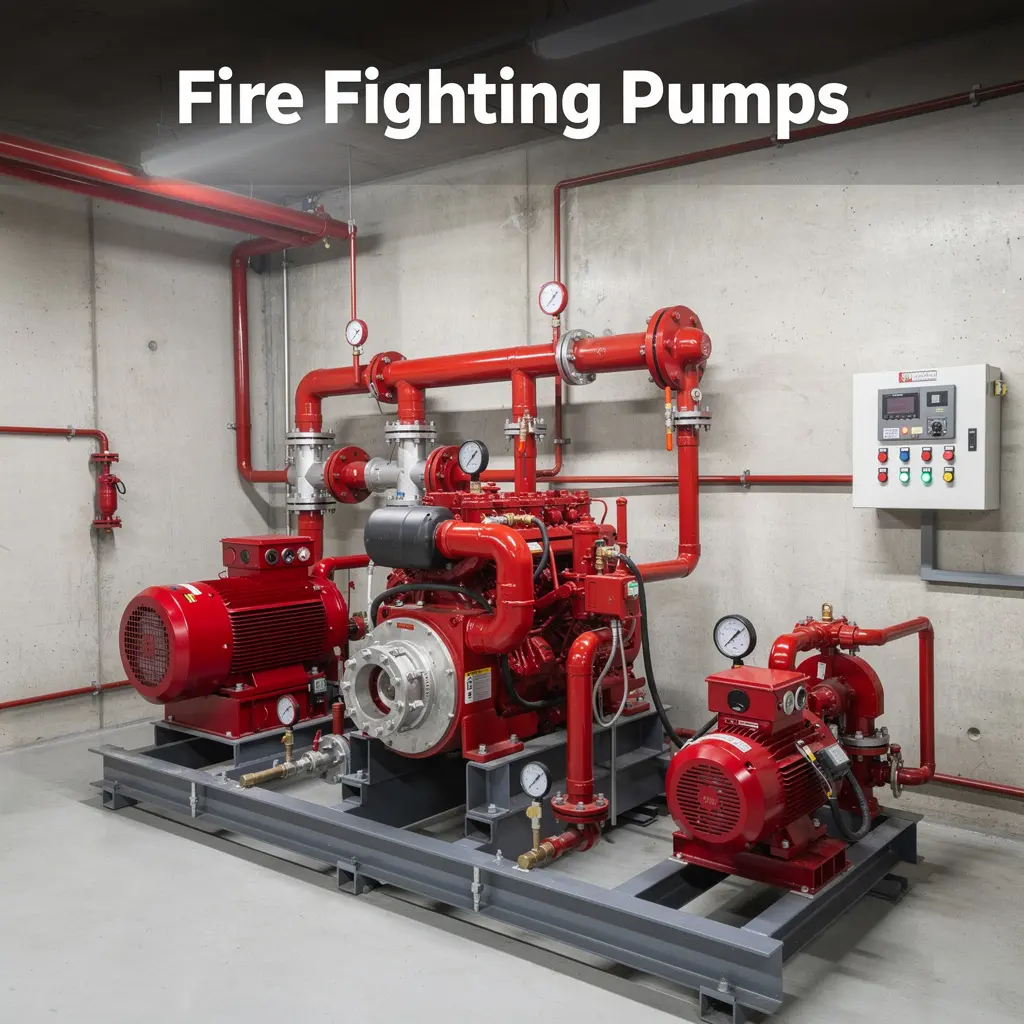
When a fire breaks out, every second counts — and the performance of your fire fighting pumps determines whether your suppression system delivers the water pressure and flow rate required to protect lives and assets from the very first moment of activation. A correctly specified, professionally installed, and properly maintained fire fighting pump is not simply a mechanical component; it is the single most critical active element in your entire fire protection infrastructure. Advanced Systems is one of Saudi Arabia’s leading suppliers and installers of certified fire fighting pumps, delivering engineered pump solutions that meet NFPA 20 standards and Saudi Civil Defense requirements for commercial, industrial, healthcare, and infrastructure facilities across the Kingdom.
Why Fire Fighting Pumps Are Mission-Critical Infrastructure
Every water-based fire suppression system — whether a sprinkler network, a standpipe and hose system, or a fire hydrant installation — depends entirely on maintaining adequate water pressure and flow at every discharge point simultaneously during a fire event. The municipal water supply alone is rarely sufficient to meet this demand, particularly in multi-story buildings, large industrial facilities, or developments with complex pipe networks. Fire fighting pumps bridge this gap, ensuring that the suppression system performs to its full engineered design capacity regardless of the pressure available at the incoming water main.
An undersized, incorrectly configured, or poorly maintained fire fighting pump set is one of the most common — and most dangerous — deficiencies found in fire protection systems across Saudi Arabia. Advanced Systems exists to eliminate this risk, delivering pump solutions that are precisely engineered, correctly installed, and supported by structured maintenance programs for the long term.
Types of Fire Fighting Pumps
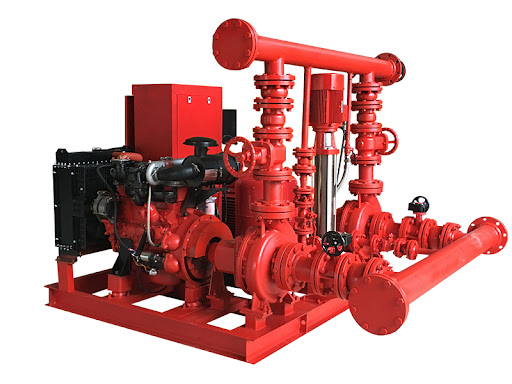
A complete fire fighting pump installation typically consists of three pump types working together as an integrated, redundant system to guarantee water supply availability under all conditions:
Electric Fire Pump
The primary duty pump in most installations — driven by an electric motor connected to a dedicated, supervised power supply that is independent of the building’s normal electrical distribution. The electric fire pump activates automatically on system pressure drop and delivers the primary water supply to the suppression network at the design flow rate and pressure. NFPA 20 requires the electric fire pump power supply to be arranged with the highest reliability — separate from all other building loads and protected against fault conditions.
Diesel Fire Pump
The automatic standby pump that activates if the electric pump fails to start or if its power supply is interrupted for any reason — including a mains power failure during the fire event itself. The diesel fire pump operates on a dedicated fuel supply with a minimum tank capacity for eight hours of continuous running at full load, as required by NFPA 20. The diesel engine is self-contained, requires no external power for starting, and must be capable of reaching full operating speed within ten seconds of activation.
Jockey Pump (Pressure Maintenance Pump)
A small, continuously running pump that maintains the fire suppression system at its design pressure during standby — compensating for minor leakage and preventing unnecessary starts of the main electric or diesel pumps. The jockey pump monitors system pressure in real time and maintains the pressurized state of the entire network, ensuring the main pumps start only when a genuine fire demand occurs. Correct jockey pump sizing and pressure setting are critical to reliable system behavior and false alarm prevention.
Key Standards and Compliance Requirements
Every fire fighting pump installation in Saudi Arabia must comply with NFPA 20 — Standard for the Installation of Stationary Pumps for Fire Protection and applicable Saudi Civil Defense regulations. NFPA 20 governs every aspect of fire pump design and installation, including:
- Pump sizing and hydraulic performance requirements at 100%, 150%, and shut-off duty points
- Driver type selection (electric vs. diesel) and power supply reliability requirements
- Pump room design, ventilation, drainage, and access specifications
- Controller type, listing requirements, and automatic start/stop sequencing
- Test header and flow measurement provisions for acceptance testing and periodic performance verification
- Minimum fuel storage capacity and diesel engine maintenance access requirements
Advanced Systems designs every fire fighting pump installation to full NFPA 20 compliance from the outset, managing all Civil Defense technical submissions and approval coordination on behalf of the client.
Fire Fighting Pump Room Design
The pump room housing your fire fighting pumps is as important as the pumps themselves. A poorly designed pump room creates maintenance access problems, overheating risks, flooding vulnerabilities, and Civil Defense approval complications that can delay your project and compromise long-term system reliability. Advanced Systems designs pump rooms that meet every NFPA 20 and Civil Defense requirement:
- Dedicated Space: The pump room must be used exclusively for fire protection equipment — no shared use with other mechanical or electrical services.
- Adequate Ventilation: Diesel engines require sufficient combustion air supply and exhaust ventilation to operate reliably under full load conditions.
- Floor Drainage: Pump rooms must include drainage to manage water discharge during testing, maintenance, and potential pipe leakage.
- Frost and Heat Protection: Pump room temperature must be maintained within the operating range of all installed equipment year-round.
- Access and Maintenance Clearances: Sufficient space around each pump and controller for safe inspection, maintenance, and component replacement without system shutdown where possible.
Industries We Serve with Fire Fighting Pump Solutions
Advanced Systems delivers certified fire fighting pump installations across every major sector in Saudi Arabia:
- Commercial and High-Rise Buildings: Multi-pump sets with variable pressure requirements across many floor levels, requiring precise hydraulic design and reliable automatic sequencing.
- Industrial and Manufacturing Facilities: High-flow pump systems for large sprinkler zones, deluge systems, and foam suppression networks in high fire-load environments.
- Oil, Gas, and Petrochemical: Heavy-duty diesel-driven pump systems for remote or power-unreliable locations where electric pump reliability cannot be guaranteed.
- Healthcare: Hospitals and medical centers requiring the highest levels of pump redundancy and reliability to protect vulnerable occupants around the clock.
- Hospitality and Mixed-Use Developments: Pump systems designed to serve complex multi-zone suppression networks across hotels, retail, and residential towers simultaneously.
- Data Centers and Critical Infrastructure: Pump installations engineered for maximum reliability, with comprehensive monitoring, automatic fault detection, and immediate alarm notification.
Integrating Fire Fighting Pumps with the Broader Fire Protection System
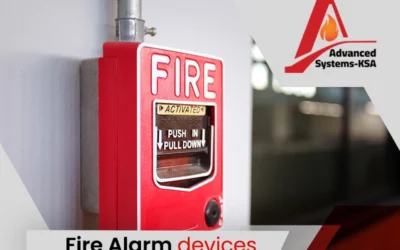
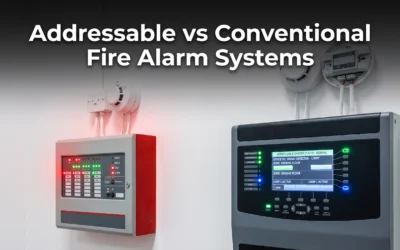
A fire fighting pump system performs at its maximum capability when fully integrated with every other element of the facility’s fire protection infrastructure. Advanced Systems designs pump installations with direct interface to the building’s fire alarm and detection network — ensuring automatic pump activation the moment a genuine fire condition is detected and confirmed. Understanding the full range of Fire Alarm Types available — from conventional zone systems to fully addressable intelligent platforms — is essential to ensuring that detection-to-pump activation response is optimized for each specific facility layout. For mission-critical projects, we integrate fire pump control panels with leading certified alarm platforms including the Potter Fire Alarm System, providing advanced event logging, zone-by-zone monitoring, and reliable suppression system interfacing across complex facilities.
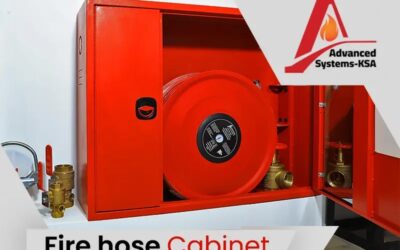
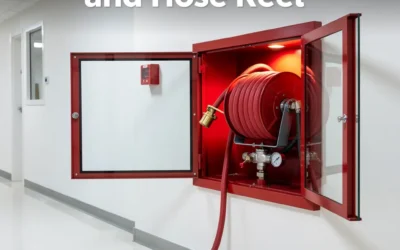
Beyond the pump and alarm systems, Advanced Systems delivers the complete fire protection package — from Mild Steel and Stainless Steel Fire Cabinets housing first-response hose reels at every floor level, to certified Booster and Sewage Pump Solutions that manage both domestic water pressure and wastewater removal across the entire facility — ensuring every building services system works in coordinated support of your fire safety strategy.
Fire Fighting Pump Maintenance: Protecting Your Investment
NFPA 25 — the Standard for the Inspection, Testing, and Maintenance of Water-Based Fire Protection Systems — mandates regular testing and maintenance of all fire fighting pumps to verify continued performance compliance. Advanced Systems provides structured maintenance programs covering:
- Weekly Churn Tests: No-flow pump starts to verify automatic starting, engine health, and controller functionality.
- Annual Flow Tests: Full performance tests at 100% and 150% of rated flow to verify pump curve compliance and identify performance degradation before it becomes a safety issue.
- Diesel Engine Servicing: Oil and filter changes, fuel system checks, battery testing, and cooling system inspection at manufacturer-specified intervals.
- Controller Inspection: Verification of automatic start settings, alarm outputs, power supply integrity, and transfer switch operation.
- Full System Documentation: Test records, performance data, and maintenance certificates provided after every service visit for Civil Defense compliance files.
Advanced Systems: Your Fire Fighting Pump Specialist in Saudi Arabia
Advanced Systems brings together certified engineering expertise, an internationally compliant product portfolio, and a proven project delivery track record to provide Saudi Arabia’s facilities with fire fighting pump solutions they can depend on absolutely. From initial hydraulic design and NFPA 20 compliance through to professional installation, commissioning, acceptance testing, and long-term maintenance, we manage every phase of your project with the technical precision and client focus that life-safety infrastructure demands.
Contact Advanced Systems today to discuss your fire fighting pump requirements and receive a tailored engineering and supply proposal for your facility.
Frequently Asked Questions About Fire Fighting Pumps
What is the difference between an electric and diesel fire fighting pump?
An electric fire fighting pump is the primary duty pump connected to a dedicated supervised power supply. A diesel fire fighting pump is the automatic standby unit that activates if the electric pump fails or loses power — providing backup supply independence from the mains electricity network. NFPA 20 requires both pump types in most installations to ensure the highest level of supply reliability.
What standard governs fire fighting pump installation in Saudi Arabia?
NFPA 20 — Standard for the Installation of Stationary Pumps for Fire Protection — is the primary governing standard for fire fighting pump design and installation, applied alongside Saudi Civil Defense regulations on every Advanced Systems project.
How often should fire fighting pumps be tested?
NFPA 25 requires weekly churn tests (no-flow start tests) and annual full-flow performance tests for all fire fighting pumps. Advanced Systems provides structured maintenance contracts that cover all required testing intervals, engine servicing, and full documentation for Civil Defense compliance.
Can Advanced Systems replace or upgrade an existing fire fighting pump installation?
Yes. Advanced Systems has extensive experience assessing, replacing, and upgrading existing fire fighting pump sets — including controller replacements, diesel engine overhauls, and full pump room reconfigurations — in operational facilities with minimal disruption to ongoing fire protection coverage.