by Mohamed Elbebhairy | Jan 7, 2026 | Products
You are running a successful operation in Saudi Arabia. Your server room is the brain of your company. It holds your customer data, your financial records, and your proprietary software.
Suddenly, a small electrical short triggers a fire alarm.
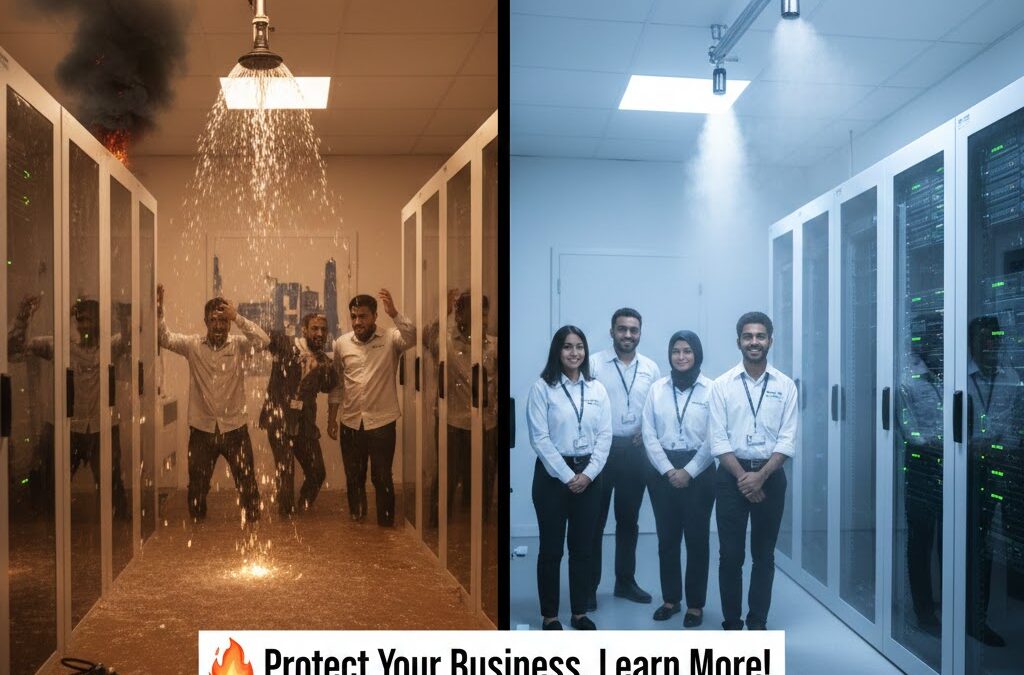
The standard sprinkler system kicks in. Thousands of liters of water flood the room.
The good news? The fire is out. The bad news? Your servers are fried. Your data is corrupted. Your business is offline for weeks.
You didn’t lose money because of the fire. You lost money because of the water.
If you are protecting high-value assets—electronics, archives, or medical equipment—water is not your friend.
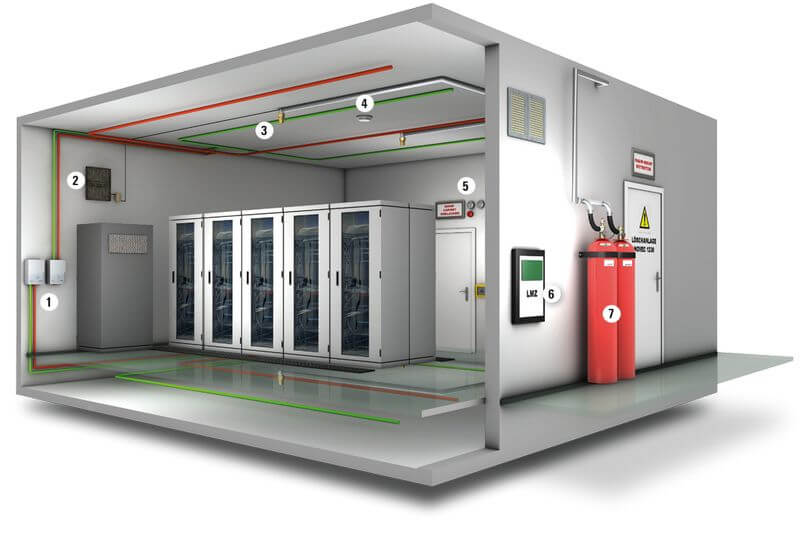
You need a “Clean Agent” system. Specifically, you need Novec 1230.
And if you want it installed right, you need Advanced Systems.
What is Novec 1230? (The “Magic” Liquid)
I don’t usually get excited about chemicals, but Novec 1230 is revolutionary.
It looks like water. You can pour it into a glass. You can even dip your iPhone into a beaker of it, pull it out, and the phone will still work perfectly.
Why? Because it is electrically non-conductive and leaves zero residue.
When the system triggers, Novec discharges as a gas, suppresses the fire in less than 10 seconds, and then… it just evaporates.
-
No water damage.
-
No cleanup costs.
-
No corrosion.
You literally just turn the fans on, and you are back to work.
Why “Advanced Systems” is Your Novec Expert
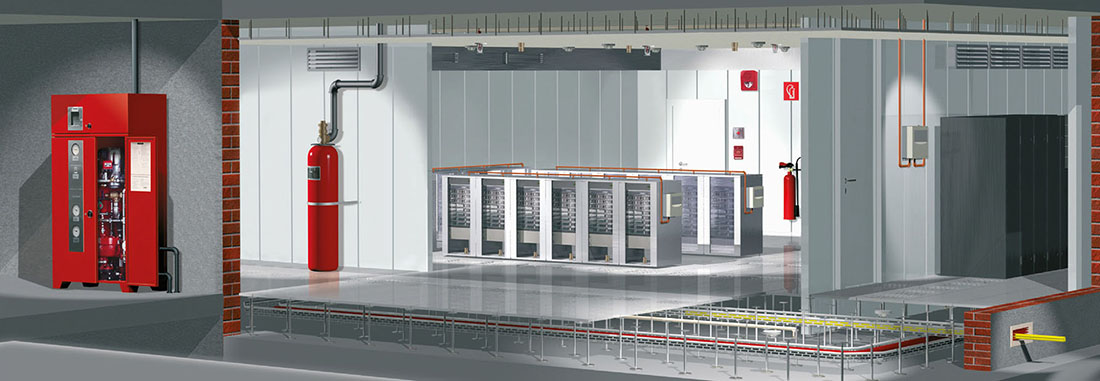
Here is the catch. You can’t just buy a tank of Novec and put it in the corner.
For this system to work, the engineering has to be flawless. This is why I recommend Advanced Systems.
Designing a Novec system requires complex hydraulic flow calculations. If the pressure isn’t right, the gas won’t fill the room fast enough to stop the fire.
Advanced Systems handles the technical heavy lifting:
1. Room Integrity Testing
Novec works by flooding the room with gas. If your room isn’t sealed properly, the gas leaks out, and the fire reignites. Advanced Systems conducts rigorous “Door Fan Tests” to guarantee your room can hold the agent.
2. Civil Defense Compliance
In Saudi Arabia, using clean agents requires specific approvals. Advanced Systems ensures your Novec installation meets the strict standards of the Saudi Civil Defense (GDCD) and NFPA 2001 regulations.
3. Sustainability (The Green Factor)
We all know Saudi Arabia is moving toward a greener future with the Saudi Green Initiative. Old systems (like FM200) are being phased out globally due to global warming potential.
Novec 1230 has a Global Warming Potential of 1. It is the most eco-friendly solution on the market. Advanced Systems helps you future-proof your facility so you don’t have to rip out your equipment in five years when regulations change.
📈 The Ultimate Fire Suppression System Showdown
If you are a facility manager or business owner, this is the only data you need to see. This table shows you the true cost (and risk) of each option:
| Feature |
Novec 1230 (Clean Agent) |
FM-200 (Clean Agent) |
Water Sprinklers (Traditional) |
| Agent Type |
Chemical/Fluid (Non-residue) |
Chemical/Gas (Non-residue) |
Water |
| Suppression Time |
< 10 Seconds |
< 10 Seconds |
30–60 Seconds (Delay inherent) |
| Damage to Assets |
None (Electrically non-conductive) |
None (Electrically non-conductive) |
Severe (Corrosion, short circuits) |
| Cleanup Required |
None (Evaporates fully) |
None (Evaporates fully) |
Extensive (Water extraction, drying, mold risk) |
| Environmental Impact (GWP) |
Ultra-Low (GWP = 1) |
Medium (GWP = 3,220) – Being phased out |
None (but wastes resources) |
| Storage Pressure |
Low Pressure (Safer storage) |
High Pressure |
Low Pressure |
| Best For |
Data Centers, Archives, Control Rooms, Museums |
Critical Areas (Older facilities) |
Warehouses, Offices, Non-Sensitive Areas |
| Conclusion |
Future-Proof, High-Value Protection |
Functional, but environmentally sensitive |
High Risk for Electronic |
The Math Behind the Investment
I know what you are thinking. “Neil, Novec sounds expensive.”
Yes, the upfront cost is higher than a water sprinkler. But let’s look at the ROI.
-
Cost of Novec System: $$$
-
Cost of replacing a Data Center: $$$$$$
-
Cost of 2 weeks of Downtime: $$$$$$$$$
Cheap is expensive.
When you partner with Advanced Systems, you aren’t buying a fire extinguisher. You are buying Business Continuity.
You are ensuring that if the worst happens, your downtime is measured in minutes, not months.
Conclusion
Don’t let a 10-minute fire destroy 10 years of work.
If you have servers, archives, or expensive machinery, ditch the water. Upgrade to Novec 1230.
Contact Advanced Systems today. Let them assess your facility, run the calculations, and give you the protection your business deserves.
by Mohamed Elbebhairy | Dec 24, 2025 | Events
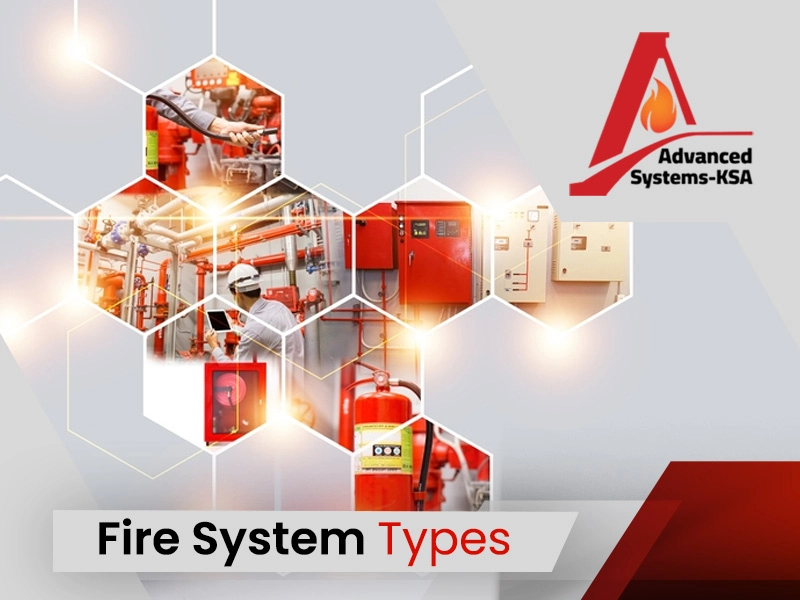
Fire safety is a paramount concern in any environment, whether residential, commercial, or industrial. Implementing effective firefighting systems is crucial in mitigating the risks associated with fires. It is essential to understand the different types of systems available and how they each help address unique fire risks.
This article will explore the question, “How many types of firefighting systems?” and the diverse range of systems designed to combat different types of fires.
Water-Based Fire Suppression Systems
-
Wet Pipe Sprinkler Systems
Wet pipe sprinkler systems, the most prevalent water-based fire suppression method, maintain a constant water supply within pipes. This ensures an immediate response to fire events, making them ideal for various settings. Their straightforward design, quick response time, and low maintenance requirements contribute to their reliability in safeguarding commercial buildings, residential spaces, and warehouses.
-
Dry Pipe Sprinkler Systems
Designed to address freezing concerns, dry pipe sprinkler systems utilize pressurized air or nitrogen instead of water, releasing water only when a sprinkler head is activated. This innovative approach makes them suitable for environments where freezing is risky, providing effective fire protection in unheated warehouses or cold climate parking garages.
-
Pre-Action Sprinkler Systems
Pre-action systems require a two-step activation, filling pipes with air first and releasing water upon fire detection. It is suitable for areas sensitive to accidental discharges.
Deluge systems use open sprinklers connected to a water supply for rapid, simultaneous water application. Effective in high-hazard environments with a need for intense water discharge.
-
High-Pressure Water Mist Systems
Utilizing fine water droplets and high-pressure water mist systems cool fires, displace oxygen, and inhibit combustion reactions. Ideal for environments where water damage is a concern.
Read More: Fire Hydrant Pump Prices
Gas-based fire suppression systems
Gas-based fire suppression systems, including clean agent and carbon dioxide (CO2) systems, play a pivotal role in advanced fire safety. Clean agent systems employing gases like FM-200 or inert gases swiftly reduce oxygen levels, extinguishing fires without residue. CO2 systems are highly effective for flammable liquids and electrical fires, displacing oxygen to starve the fire.
These systems find applications in data centers, server rooms, museums, and industrial facilities, offering rapid and efficient suppression without water damage. While advantageous, careful consideration is crucial due to safety concerns associated with certain gases. This evolving technology continues to refine gas-based systems for enhanced fire protection.
Foam-based fire suppression systems
Foam-based fire suppression systems are essential for effectively controlling flammable liquid fires, offering versatility and rapid response in high-risk environments. Foam sprinkler systems release a blanket of foam over fuel surfaces, preventing the release of flammable vapors commonly applied in chemical plants and industrial settings. High-expansion foam systems designed for enclosed spaces generate large volumes of foam to smother fires in places like aircraft hangars.
The advantages of foam-based systems lie in their quick and efficient suppression, particularly tailored for flammable liquid hazards. However, applying foam may pose challenges regarding clean-up and potential water damage. Thorough risk assessments are crucial to determining the most suitable foam type and concentration for specific fire risks, ensuring a comprehensive fire safety strategy in diverse industrial and commercial settings.
Read More: The Foam Fire Suppression for Sale in KSA
Powder-based fire suppression systems
Powder-based fire suppression systems, exemplified by dry chemical systems using ABC or BC powders, are versatile solutions that interrupt combustion processes in various fire classes. Their adaptability makes them valuable in industrial facilities, commercial buildings, and electrical rooms where fire hazards exist. These systems are essential for comprehensive fire safety and offer a rapid and effective response. However, their use may result in residue and clean-up challenges, emphasizing the importance of thorough risk assessments and carefully selecting powder types tailored to specific fire risks to ensure optimal suppression in diverse environments.
How many types of firefighting systems exist?
Other systems may include:
- Specialized Systems: CO2 systems effectively tackle electrical and flammable liquid fires, suppressing flames without residue. Fire hydrant systems provide essential water sources for manual firefighting efforts in various settings.
- Fire Extinguishers: portable devices with specific agents for small-scale firefighting, including water, foam, dry powder, and CO2, tailored for distinct fire classes.
In conclusion, the question “How many types of fire fighting systems?” unveils various solutions tailored to address different fire hazards. Implementing the right combination of fire suppression systems based on a thorough risk assessment is crucial for ensuring the safety of occupants and assets. Advanced Systems provides tailored firefighting services. Contact us now.
Read Also :
Fire Cabinet Hose Suppliers in KSA
Fire water booster pump
Conventional Fire Alarm Panels
Fire hydrant and monitor
Fire Alarm Devices
Fire water pump manufacturers
by Mohamed Elbebhairy | Dec 24, 2025 | Events
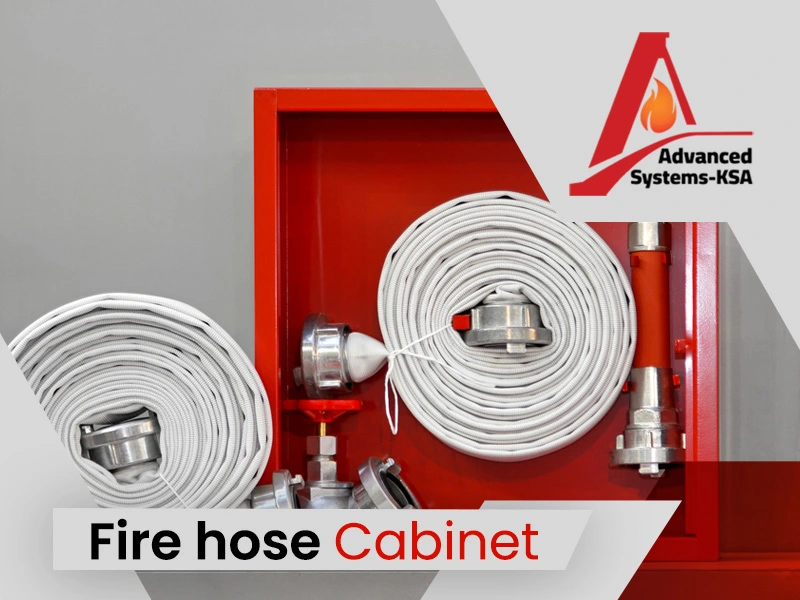
Fire safety is paramount in any building; readily available equipment can make all the difference in an emergency. Fire hose cabinets are among the essential components of a robust fire protection system. In this article, we’ll explore fire hose cabinet types, their purposes, and the factors to consider when choosing the right one for your needs.
The Purpose of Fire Hose Cabinets
Fire hose cabinets serve as dedicated storage units for fire hoses, providing a centralized and easily accessible location for firefighting equipment. Their primary purpose is to house and protect fire hoses, ensuring they are readily available for immediate use during emergencies. Fire hose cabinets are strategically placed throughout a building to maximize accessibility and minimize response time.
Moreover, fire hose cabinets safeguard fire hoses from external elements, such as dust, dirt, and damage, which can compromise their functionality. These cabinets are typically constructed using durable materials, such as steel or fiberglass, to withstand the rigors of a fire-prone environment. They are designed to provide secure storage, preventing unauthorized access and reducing the risk of tampering or theft.
Fire Hose Cabinet Types
Recessed Fire Hose Cabinets
These cabinets are installed within the wall, flush with the surface, to maintain a streamlined appearance. Recessed cabinets are commonly found in commercial buildings, offices, and residential complexes, offering a discreet and aesthetically pleasing solution.
Surface-Mounted Fire Hose Cabinets
This type of fire hose cabinet types is attached to the wall’s surface. While it may be more visible than recessed cabinets, it is often easier to install in locations where recessing into the wall is impractical. Surface-mounted cabinets are commonly used in industrial settings, warehouses, and older buildings where wall structures may not accommodate recessed installations.
Semi-Recessed Fire Hose Cabinets:
Semi-recessed fire hose cabinets compromise the neatness of recessed cabinets and the accessibility of surface-mounted ones. These cabinets partially protrude from the wall, balancing aesthetics and practicality. Semi-recessed cabinets are often chosen for spaces where a sleek appearance is desired without sacrificing ease of access.
Outdoor Fire Hose Cabinet
Outdoor fire hose cabinets are built to withstand the rigors of external environmental conditions. These cabinets are weather-resistant, protecting the hoses and equipment from the elements. They are commonly installed in areas where fire hoses may be needed outdoors, such as parking lots, loading docks, or exterior building perimeters.
Factors to Consider When Choosing Fire Hose Cabinets
When selecting fire hose cabinets for your building or facility, several factors should be taken into consideration:
- Size and Capacity: Choose a fire hose cabinet size based on the length and diameter of the fire hoses it will hold.
- Material and Construction: Opt for durable materials like steel or fiberglass for fire hose cabinets. These materials withstand fire, moisture, and environmental factors, providing strength and corrosion resistance.
- Compliance with Standards: Select fire hose cabinets that comply with safety standards. Compliance ensures meeting minimum safety requirements for effective functioning during emergencies.
To ensure optimal fire safety in your building, contact “Advanced Systems” where our experts can provide comprehensive fire fighting solutions tailored to your needs. Safeguard lives and protect your property with our reliable solutions.
know more about:
Fire Alarm Devices
Firefighting Tools And Equipments
Fire water pump manufacturers
Fire Sprinklers
Fire hydrant
Fire hydrant and monitor

by Mohamed Elbebhairy | Dec 24, 2025 | Products
Siex Automatic Fire Suppression System (member of Komtes Group), Spain, Europe origin.
Siex is one of the fastest growing companies in the industry in recent years.
They manufacture and distribute systems, such as water systems, water mist systems, clean agents & other gases (CO2, NOVEC1230, FM200), tube systems, and kitchen hoods.
In an era where data, heritage, and high-value infrastructure are the lifeblood of global enterprise, the traditional “sprinkler and water” approach to fire safety is often as damaging as the fire itself. This is where the synergy between Siex, a world leader in fire suppression technology, and Advanced Systems, a premier provider of integrated safety solutions, becomes a critical asset for modern businesses.
Below is a unique exploration of why the Siex Fire Suppression System, implemented by Advanced Systems, represents the pinnacle of asset protection.
The Philosophy of “Clean” Protection
The core of the Siex system is its “Clean Agent” philosophy. Unlike water or powder, which leave residues that can corrode circuit boards or destroy ancient manuscripts, Siex agents are designed to disappear.
1. SIEX-NC™ 1230 (The Ecological Pioneer)
As one of the most sustainable chemical gases on the market, the SIEX-NC™ 1230 uses a fluorinated ketone that acts swiftly during the incipient stage of a fire.
-
Speed: Discharges in seconds to suppress fire before it can generate significant heat.
-
Environment: Boasts zero Ozone Depletion Potential (ODP) and a negligible Global Warming Potential (GWP).
-
Safety: It is non-conductive and safe for occupied spaces, ensuring personnel can evacuate without respiratory distress.
2. INERT-SIEX™ (The Atmospheric Solution)
Advanced Systems often recommends INERT-SIEX™ (using Nitrogen, Argon, or IG-541) for environments where total sustainability is the goal. These systems work by reducing oxygen levels to a point where combustion cannot be sustained, yet remaining at a level safe for human breathing.
-
Long Pipe Runs: Because inert gases can be stored at high pressures (up to 300 bar), Advanced Systems can design layouts where the cylinder bank is located far from the protected hazard, saving valuable floor space.
Why “Advanced Systems” is the Integral Link
A fire suppression system is only as effective as its design and maintenance. Advanced Systems bridges the gap between Spanish engineering (Siex) and local implementation.
Precision Engineering & Design
Every facility is unique. Advanced Systems utilizes specialized hydraulic calculation software to ensure that the gas concentration reaches every corner of a room within the strict 10-second window required by NFPA and ISO standards. Whether it’s a high-ceiling server farm or a compact electrical cabinet, the design is tailored to the specific volume of the space.
The “SIEX-trace” Advantage
For localized hazards like CNC machines or electrical panels, Advanced Systems deploys SIEX-trace. This system uses a pressurized pneumatic tube that acts as both a detector and a delivery mechanism. When a fire occurs, the tube ruptures at the hottest point, releasing the extinguishing agent directly onto the source—stopping the fire before it triggers a building-wide alarm.
Global Certifications, Local Expertise
The partnership ensures that every installation meets the most rigorous international benchmarks:
Primary Applications
Advanced Systems specializes in deploying Siex technology across critical sectors:
-
Data Centers: Protecting servers from both fire and “acoustic damage” (using Siex’s specialized silencer nozzles).
-
Museums & Libraries: Ensuring that priceless artifacts are never touched by water.
-
Telecommunications: Maintaining 24/7 uptime by preventing corrosive residue.
-
Hospitals: Safeguarding expensive MRI and diagnostic equipment.
Conclusion: Beyond Extinguishment
Choosing a Siex Fire Suppression System through Advanced Systems is not just a regulatory checkmark; it is an investment in business continuity. In the event of a fire, the goal isn’t just to put the flames out—it’s to ensure that you can turn the power back on and resume operations within the hour.
Expert Note: Advanced Systems provides end-to-end support, from the initial “Door Fan Test” (to ensure room integrity) to periodic refilling and maintenance of the cylinder banks.

by Mohamed Elbebhairy | Dec 24, 2025 | Events
A firefighting system combines equipment, devices, and procedures to detect, control, and extinguish fires. It includes various components that work together to minimize the impact of fires and protect life, property, and the environment. This guide explores the significance of these systems and their diverse applications.
Types of Firefighting Systems
There are several types of firefighting systems designed to detect, control, and extinguish fires. Here are some common types:
Water-Based Systems
- Sprinkler Systems: Automatic sprinkler systems are widely used and consist of a network of pipes with sprinkler heads that release water when heat is detected. They are effective in suppressing fires and controlling their spread.
- Water Mist Systems: These systems disperse fine water droplets to cool the fire and reduce oxygen levels. Water mist systems are suitable for a wide range of applications and can be used in areas where water damage needs to be minimized.
Gaseous Suppression Systems
- Carbon Dioxide (CO2) Systems: The CO2 firefighting system displaces oxygen, reducing its concentration and suffocating the fire. They are commonly used in areas with sensitive equipment and materials, such as electrical rooms or server rooms.
- Clean Agent Systems (e.g., FM-200, Novec 1230): These firefighting systems use clean agents that do not leave residue or damage sensitive equipment. They are suitable for protecting valuable assets in areas such as control rooms, data centers, or museums.
Foam-Based Systems
- Foam Sprinkler Systems: These firefighting systems discharge foam, which creates a blanket that separates the fuel from oxygen, suppressing the fire. They are commonly used in areas with flammable liquids, such as warehouses or chemical storage facilities.
- Foam Pourer Systems: Foam pourer systems deliver foam directly onto the fuel surface, providing rapid fire suppression. They are often used in areas with flammable liquid storage tanks or helipads.
Dry Chemical Systems
These systems use dry chemical powders, such as ABC or BC powder, to extinguish fires by interrupting the chemical reaction. They are versatile and suitable for various fire hazards, including flammable liquids, gases, and electrical fires.
Smoke Management Systems
- Smoke Exhaust Systems: These systems remove smoke from a building, improving visibility for occupants and aiding evacuation.
- Pressurization Systems: Pressurization systems create a pressure differential to prevent the movement of smoke into protected areas, such as stairwells or escape routes.
- Smoke Curtains: Smoke curtains are deployed to contain or channel smoke, preventing its spread to other areas of the building.
Elements of A Firefighting System
The following is a breakdown of the elements that must be present in every firefighting system:
Fire Detection
Fire detection involves the use of smoke detectors, heat detectors, flame detectors, or a combination of these devices to identify the presence of a fire. Once a fire is detected, it triggers an alarm to alert occupants and initiates the response sequence.
Fire Suppression Systems
These systems are designed to extinguish fires or control their spread. They can be categorized into two main types:
- Active Fire Suppression: These systems use agents such as water, foam, gas (e.g., CO2), or chemicals to extinguish the fire. Examples include the systems mentioned above as water mist systems, gas suppression systems, and foam systems.
- Passive Fire Suppression: These systems are designed to contain or slow down the spread of fire. Examples include fire-resistant doors, fire-resistant walls, fire-rated windows, and fire dampers in ventilation systems.
Firefighting Equipment
Firefighting tools and equipment include portable fire extinguishers, fire hoses, fire hydrants, fire blankets, and other tools that enable occupants or trained personnel to extinguish or control small fires before they escalate.
Fire Alarm and Communication Systems
These systems provide early warning and communication during a fire incident. They include fire alarm panels, public address systems, emergency lighting, and evacuation signage to facilitate safe evacuation.
Emergency Response Plan
A comprehensive firefighting system should have an emergency response plan in place. This plan outlines procedures for reporting fires, evacuating occupants, notifying emergency services, and coordinating the firefighting efforts.
Training and Education
Proper training and education are crucial for ensuring that occupants and personnel understand fire safety procedures, evacuation routes, and how to use firefighting equipment effectively. Regular drills and exercises help familiarize individuals with emergency protocols.
Firefighting System Applications
Firefighting systems find applications in various settings where fire protection is essential such as:
- Residential buildings: Apartment complexes, condominiums, and single-family homes.
- Commercial Buildings: Office buildings, retail stores, hotels, and shopping centers require these systems to ensure the safety of occupants and protect valuable assets.
- Industrial Facilities: Manufacturing plants, warehouses, and industrial complexes have unique fire hazards due to the presence of flammable materials, machinery, and processes.
- Healthcare Facilities: Hospitals, clinics, and medical centers have a high concentration of people, including patients who may have limited mobility. The Fire systems in healthcare facilities are designed to facilitate safe evacuation and protect sensitive medical equipment.
- Educational Institutions: Schools, colleges, and universities require firefighting systems to protect students, staff, and educational resources.
- Transportation Infrastructure: Fire protection is critical in transportation hubs such as airports, train stations, and bus depots.
- Data Centers and Server Rooms: Data centers house valuable electronic equipment and have unique fire risks.
Fire Fighting System Suppliers in Saudi Arabia
The Saudi Arabian market boasts a diverse range of firefighting system suppliers, each offering unique solutions to cater to various needs. Among them, Advanced Systems stands out for its commitment to delivering high-quality fire protection equipment and services. Leveraging our extensive experience in the field, we aim to become a leading provider in the region.
Our team of skilled professionals uses our expertise to provide clients with optimal fire protection solutions for their assets, projects, and facilities. By offering cost-effective options and top-notch project design, Advanced Systems prioritizes the safety of lives, property, and valuables.
Additionally, our dedication to continuous learning and innovation ensures clients receive the most up-to-date technology and support available. Get in touch with us now for a consultation about the most appropriate fire system for your property.
Read More:
Fire Alarm Types
Fire Hose Cabinet Types
Fire water booster pump
The Foam Fire Suppression
Fire Alarm Devices
The Best Fire Sprinklers Companies
Fire hydrant and monitor
Page 3 of 9«12345...»Last »