by Mohamed Elbebhairy | Nov 24, 2025 | Events
The alarming statistics of fires, resulting in an average of $22.6 billion in property damage, 3,000 fatalities, and 10,000 injuries per year in the United States, highlight the urgent necessity for fire protection systems.
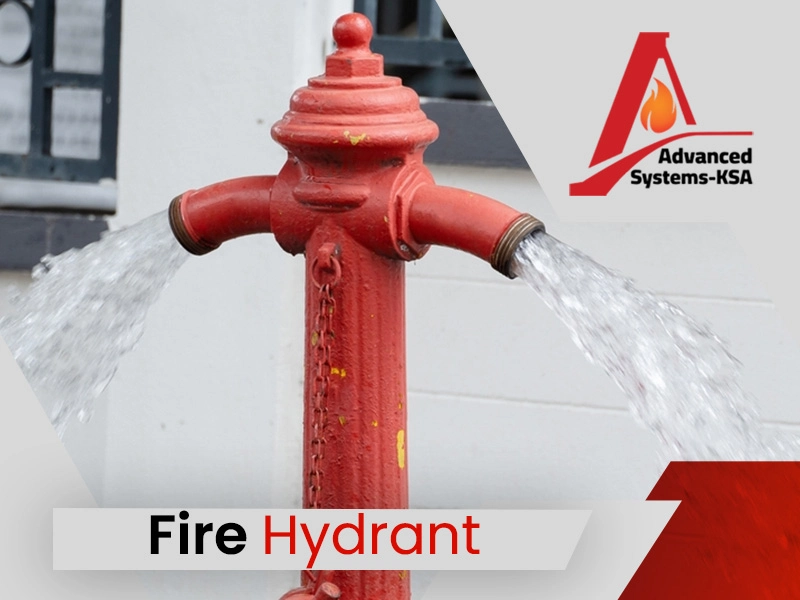
In the face of this pressing need, Fire hydrants and monitors have emerged as indispensable components of fire protection systems. So, let’s look at the function of fire hydrant and monitor and their technology.
When seconds count: How does the fire suppression system save the day?
On a cold winter night in Cairo, Egypt, a fire broke out in a high-rise apartment building. The fire quickly spread to the rest of the apartment and then to the other apartments on the floor.
However, the building had a state-of-the-art fire suppression system. The system included sprinklers, smoke detectors, and fire alarms.
The sprinklers activated automatically when the fire started. They sprayed water on the fire, helping to slow its spread. The smoke detectors were also activated, alerting the residents to the fire.
The fire was extinguished within an hour, and no one was injured. The building sustained some damage, but it was still habitable.
The residents of the building were grateful that the fire suppression system had worked so well.
The moral of this story is that having a working fire suppression system can save lives.
what is the difference between fire hydrant and fire monitor?
The function of fire hydrant and monitor is to provide firefighters with a dependable source of water to extinguish fires. By ensuring that these systems are in proper working order, you can significantly enhance your property’s and its inhabitants’ safety against the fire threat.
They are permanently attached to a water main and provide a steady stream of pressurized water for firefighters to combat fires. They are strategically positioned throughout buildings and properties for easy access in an emergency.
They are fixed devices typically mounted on high vantage points like rooftops or towers. They are designed to direct a powerful water jet toward fires, which is particularly useful for extinguishing blazes in hard-to-reach areas, such as high-rise buildings or industrial complexes.
How do we keep the function of fire hydrant and monitor in good condition?
To keep the function of fire hydrant and monitor in good condition, you have to follow these easy tips:
- Inspect fire hydrants and monitors regularly. Look for signs of damage, corrosion, or wear. If you see any problems, report them to a qualified professional immediately.
- Test fire hydrants and monitors regularly. This will help ensure that they are working properly and will function correctly in a fire.
- Seek professional help to replace damaged components promptly. This will help to prevent minor problems from becoming significant malfunctions.
Advanced Systems Corporation: Your shield against fire
Suppose you seek a top-notch fire hydrant and monitor provider in Saudi Arabia. In that case, Advanced Systems Corporation stands out as a frontrunner, providing a wide array of fire protection systems meticulously engineered to meet the unique requirements of diverse properties and backed by comprehensive maintenance services.
Call us today to learn more about our fire protection systems and services. Our team of experienced professionals can help you choose the right system for your needs and budget.
know more about:
Fire water pump manufacturers
Fire Sprinklers
Firefighting Water Sprinkler Network
Fire Alarm Panels
Foam Firefighting Equipment in Saudi Arabia
Fire Cabinet Hose Suppliers in KSA
The Best Fire Sprinklers Companies
Fire hydrant manufacturers in Saudi Arabia
by Mohamed Elbebhairy | Nov 24, 2025 | Events
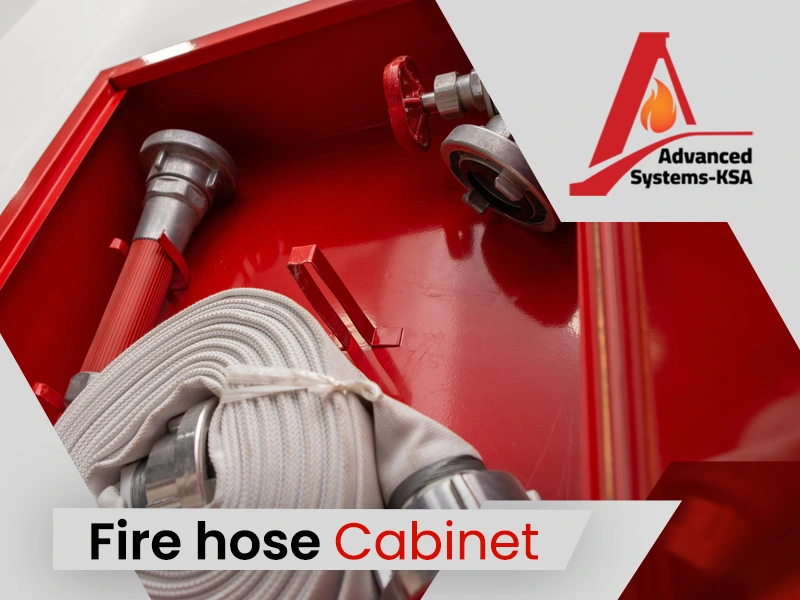
When it comes to fire safety, having the right equipment is crucial. In the Gulf area, Advanced Systems has introduced itself as one of the leading fire cabinet hose suppliers in KSA. With a mission to provide cost-effective, high-quality solutions, we are committed to helping people protect their lives, properties, and assets from fire dangers.
Importance of Fire Cabinet Hose Systems
In fire safety, robust fire cabinet hose systems are indispensable in a region like Saudi Arabia, where adherence to stringent safety standards is paramount. Serving as a critical first response, these systems safeguard lives and assets, ensuring swift access to suppression resources. They are pivotal in mitigating property damage and enhancing overall emergency preparedness. Versatile and applicable across various settings, fire cabinet hose systems are fundamental components of comprehensive fire safety measures.
Fire Cabinet Hose Suppliers in KSA: Advanced Systems in the Saudi Market
The introduction of Advanced Systems into the Saudi Arabian market represents a significant achievement in our goal of delivering top-notch firefighting and fire alarm systems. With a rich background in fire protection, we have a highly skilled technical team that offers optimal solutions for protecting assets, projects, and facilities. Our primary objective is to provide cost-effective, high-quality solutions that safeguard lives and properties from the perils of fire.
Advanced Systems aims to emerge as a leading company in the Middle East and Africa, strongly emphasizing customer satisfaction through continuous technical training and innovative approaches. We are fully committed to supporting and serving our clients by providing them with the best options and project designs, reinforcing our dedication to fire safety in Saudi Arabia.
Read also: Fire Hose Cabinet Types
Advanced Systems Comprehensive Cabinet and Hose Reel Solutions
The right equipment is essential, and Advanced Systems stands out with its full range of cabinets, meticulously crafted to meet diverse needs. Available in various dimensions, colors, and materials, including steel and stainless steel, these cabinets undergo an electrostatic powder coating process, enhancing durability and corrosion resistance. Rigorous quality control ensures the delivery of solid and reliable products.
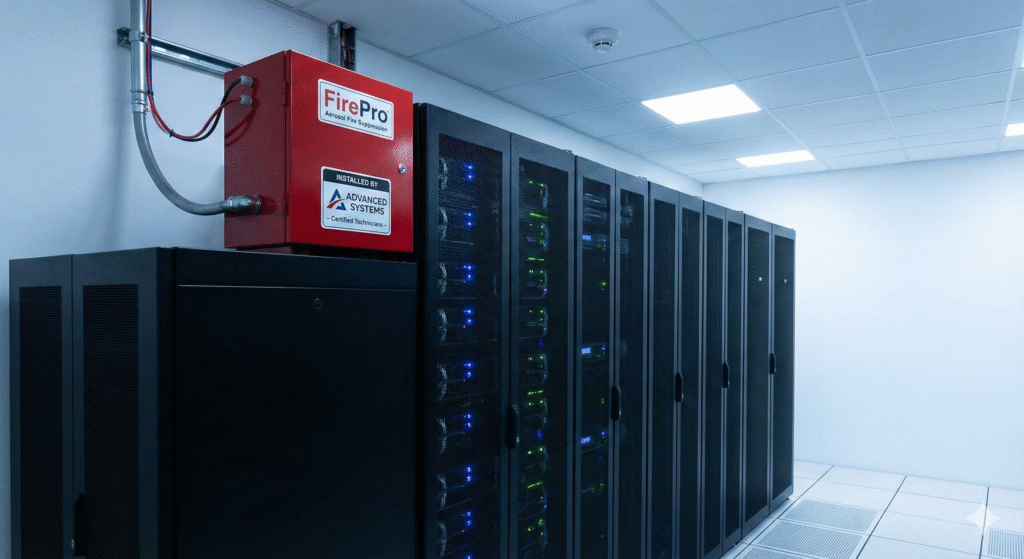
Advanced Systems also provides LPCB-approved hose reels that adhere to international safety standards. These hose reels offer optimal fire protection solutions, featuring a pressure gauge for real-time monitoring and a mechanically bound nozzle for secure and efficient operation. Plus, with a 5-year warranty against corrosion, Advanced Systems guarantees innovation and durability. To tackle challenges in the fire safety industry, Advanced Systems invests in a highly skilled technical team, staying abreast of the latest technologies to support and serve clients effectively. Explore the forefront of fire safety with Advanced Systems for Industries.
In closing, Advanced Systems emerges as a beacon of innovation and reliability in fire safety. As one of the fire cabinet hose suppliers in KSA, our commitment to excellence, cutting-edge technology, and customer satisfaction sets a new standard. Choose Advanced Systems for unmatched fire protection solutions and safeguard what matters most. Contact us for further information.
know more about:
Fire Sprinklers Companies
Fire water pump manufacturers
Firefighting Water Sprinkler
The Foam Fire Suppression for Sale in KSA
Fire Alarm Devices
Firefighting Tools And Equipments
by Mohamed Elbebhairy | Nov 24, 2025 | Events
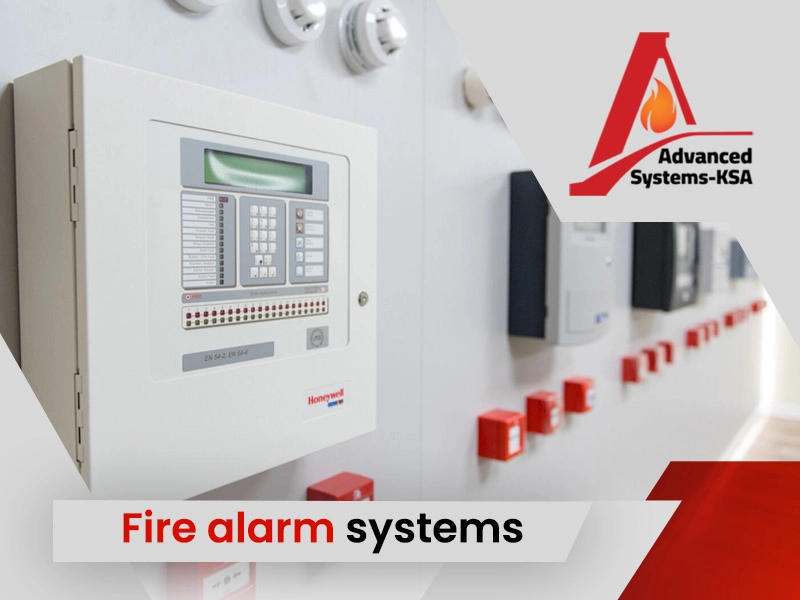
Fire alarm systems are indispensable safety tools, serving as crucial safeguards for both lives and property. Ranging from traditional wired setups to cutting-edge wireless solutions, a plethora of fire alarm systems are tailored to meet diverse needs and operational requirements. This article takes a closer look at the types of fire alarm systems and the essential considerations in selecting the ideal system for your residence or establishment.
What is a fire alarm system?
A fire alarm system is a network of interconnected components designed to detect and alert occupants of a building in the event of a fire or smoke-related emergency. The primary purpose of a fire alarm system is to provide early warning to occupants, allowing them to evacuate safely and enabling prompt response from emergency personnel. A typical fire alarm system consists of the following components:
- Fire detection devices such as smoke detectors, heat detectors, flame detectors, and gas detectors.
- Control panel, which activates alarms and triggers appropriate response actions, such as notifying occupants and emergency services.
- Notification devices include fire alarms, sirens, strobe lights, and voice evacuation systems.
- Manual activation devices allow individuals to manually trigger the fire alarm system by activating a button or breaking a glass.
- Monitoring system to allow 24/7 monitoring of the system, where trained operators can receive alerts and take appropriate actions.
read about: How Fire Alarm System Works
Types of Fire Alarm Systems
There are several types of fire alarm systems, each with advantages and disadvantages. The most common types include:
Conventional Fire Alarm Systems
Conventional fire alarm systems are basic yet widely used types of fire alarm systems. They are suitable for smaller buildings and simpler applications. These systems divide the protected area into zones, each connected to a specific circuit. Fire detection devices like smoke or heat detectors are installed within each zone.
When a fire event occurs, the device in the affected zone detects smoke or heat, triggering an alarm signal through the corresponding circuit. Conventional systems are known for their simplicity, cost-effectiveness, durability, and reliability.
However, they cannot pinpoint the exact fire location within a zone, potentially causing a delayed emergency response. They are also more susceptible to false alarms due to less sophisticated detection capabilities.
Addressable Fire Alarm System
Addressable fire alarm systems are advanced types of fire alarm systems that provide precise identification of fire locations. Each detection device, like smoke or heat detectors, has a unique address and connects to a central control panel through communication loops or circuits. When a device detects a fire, it sends a signal with its specific address to the control panel, pinpointing the fire’s exact location.
Addressable systems enable rapid response, facilitating quick evacuation and the efficient deployment of emergency teams. They can manage numerous devices, making them suitable for complex buildings. Additional features include event logging, remote monitoring, and integration with other systems for enhanced safety. These systems are more complex and expensive to install and maintain, but they offer superior functionality for precise fire detection and location identification in larger buildings or facilities.
Analog fire alarm systems
Analog fire alarm systems are advanced types of fire detection systems, offer enhanced sensitivity and precision. These systems use analog sensors to monitor environmental conditions for signs of fire continuously. Analog sensors analyze subtle variations in readings, allowing for early detection of potential fire hazards.
The sensor data is transmitted to a central control panel, enabling real-time analysis and differentiation between harmless changes and genuine fire threats, reducing false alarms. Analog systems provide detailed information about fire location and severity by analyzing data from multiple sensors, facilitating a targeted response. They offer flexibility, scalability, and integration with other building systems.
However, careful calibration and maintenance are necessary for optimal performance. Analog fire alarm systems are a valuable investment for buildings prioritizing safety.
Wireless Fire Alarm Systems
Wireless fire alarm systems are a flexible and modern solution for fire detection in buildings. Unlike traditional wired systems, they utilize wireless communication technology, eliminating the need for extensive wiring and making installation more cost-effective. In these systems, fire detection devices communicate wirelessly with a central control panel, sending signals when detecting fire or smoke.
Wireless communication ensures real-time transmission for accurate detection. The key advantage of wireless systems is their flexibility, allowing for easy installation and expansion without wiring limitations. They are suitable for temporary setups and retrofitting existing buildings, with minimal disruption and maintenance compared to wired systems.
However, signal range and potential interference should be considered. Overall, wireless fire alarm systems provide convenience, flexibility, and reliable performance for fire detection in various building environments.
Intelligent fire alarm systems
These types of fire alarm systems are advanced versions of addressable or analog systems. Harnessing sophisticated algorithms and advanced programming, they excel in analyzing data collected from a multitude of sensors and devices.
What sets intelligent fire alarm systems apart is their unparalleled ability to discern between false alarms and genuine fire events. By scrutinizing sensor data with precision, these systems significantly enhance reliability while simultaneously minimizing false alarm rates.
This heightened level of intelligence enables these systems to react swiftly and accurately to fire threats, ensuring timely responses that can mean the difference between minor incidents and catastrophic losses. Whether deployed in residential, commercial, or industrial settings, intelligent fire alarm systems offer a level of protection that is unmatched by their predecessors, setting a new standard for fire safety.
By understanding the various types of fire alarm systems, their functionalities, and your specific needs, you can make an informed decision and select the optimal system for your home or building.
Remember, prioritizing fire safety is an essential investment. Consulting a qualified firefighting solutions company as Advanced Systems can provide valuable guidance in choosing the right system and ensuring its proper installation and maintenance. Contact us now and get your consultation.
Read More:
Fire Hose Cabinet Types

Firefighting Tools And Equipments

Fire Water Pump Manufacturers

Fire Sprinklers Companies

Fire Hose Cabinet Price.

Fire Hydrant Pump Prices

Foam Firefighting Equipment

by Mohamed Elbebhairy | Nov 24, 2025 | Events
A fire hydrant cabinet is a specialized enclosure designed to house and protect fire hydrants and their associated equipment. It is typically installed in easily accessible spaces to provide easy access to the fire hydrant in case of a fire emergency. The cabinet is usually made of metal and is designed to withstand harsh environmental conditions. In this article, we will explore the importance of fire hydrant cabinets, where they should be installed, the different types available, and their pricing considerations.
Fire Hydrant Cabinets Overview
Fire hydrant cabinets are designed to house and protect fire hydrants, which are vital firefighting equipment. These cabinets are typically made of durable materials such as metal or fiberglass, ensuring their durability and resistance to harsh environmental conditions. By providing secure housing for fire hydrants, these cabinets prevent damage, tampering, and obstruction, ensuring that the hydrants are always ready for use when needed.
The purpose of a fire hydrant cabinet is to protect the fire hydrant from damage, vandalism, and exposure to the elements. It ensures that the hydrant remains accessible and functional when needed. The cabinet is usually equipped with a door or a cover that can be opened to access the hydrant.
Fire Hydrant Cabinet Types
Various types of fire hydrant cabinets are available to suit different needs and environments. The most common types include recessed cabinets, surface-mounted cabinets, and semi-recessed cabinets.
Recessed Cabinets
These cabinets are designed to be installed within the wall, providing a flush appearance. Recessed cabinets are ideal for buildings with limited space or aesthetic considerations. They offer a clean and unobtrusive look while still providing easy access to the fire hydrant.
Surface-Mounted Cabinets
As the name suggests, surface-mounted cabinets are attached directly to the wall surface. These cabinets are relatively easy to install and maintain. They protrude from the wall, ensuring high visibility and accessibility. Surface-mounted cabinets are commonly used in industrial settings, parking garages, and outdoor locations.
Semi-Recessed Cabinets
This type of cabinet combines the features of both recessed and surface-mounted cabinets. It is partially embedded within the wall, providing a streamlined appearance while still offering enhanced visibility and accessibility. Semi-recessed cabinets are often favored in commercial buildings and public spaces.
Outdoor enclosures
In some cases, fire hydrants may be housed in larger outdoor enclosures, especially in areas where protection from environmental elements or vandalism is necessary. These enclosures can vary widely in size and design, ranging from simple metal boxes to more elaborate structures.
Read About: Fire hydrant manufacturers
Fire hydrant cabinet components
Inside the fire hydrant cabinet, you may find various components and equipment, such as:
- Fire Hose: A length of fire hose is often stored inside the cabinet. This hose is connected to the fire hydrant and is used by firefighters or trained personnel to deliver water to extinguish fires.
- Nozzle: A nozzle is attached to the end of the fire hose. It helps control the flow and direction of water when fighting fires.
- Wrenches: Specialized wrenches are often kept in the cabinet to open and close the valves on the fire hydrant. These wrenches are used to control the water supply and regulate the pressure.
- Signage: Fire hydrant cabinets usually have visible signage indicating their location and the presence of a fire hydrant. This helps firefighters and emergency responders quickly locate and access the hydrant during emergencies.
- Locking Mechanism: Some fire hydrant cabinets are equipped with a locking mechanism to prevent unauthorized access or tampering. This ensures that the equipment remains secure and ready for use when needed.
Where Should The Fire Hydrant Cabinet Be Located?
The specific location of a fire hydrant cabinet may vary depending on local regulations and building codes. The following are important considerations for the placement of the cabinet:
Accessibility
Fire hydrant cabinets should be easily accessible to firefighters and emergency responders. They should be located in areas where they can be quickly located and accessed during a fire emergency. Typically, they are placed at a visible and convenient location near the fire hydrant itself.
Visibility
The cabinet should be visible and identifiable, especially in crowded or complex environments. It should be located in an area where it can be easily seen and recognized, either through signage or distinctive markings.
Protection
The cabinet should be positioned in a way that protects it from physical damage, vandalism, and environmental elements. It should be placed in a secure area, away from potential obstructions or hazards.
Proximity to the hydrant
The fire hydrant cabinet should be near the fire hydrant it serves. This allows for easy access to the hydrant and the associated equipment stored inside the cabinet.
Local regulations
It’s important to consult local fire codes and regulations specific to your area. These regulations might specify requirements for the placement of fire hydrant cabinets, including height, distance from walls or other structures, and other considerations.
Factors Affecting Fire Hydrant Cabinet Price
The price of fire hydrant cabinets can vary depending on factors such as material, size, design, and additional features. The size of the cabinet also plays a role in determining the price, with larger cabinets typically costing more due to the increased material requirements. Cabinets with additional features such as locks, alarms, or weatherproofing may also come at a higher price point.
In conclusion, fire hydrant cabinets are an essential component of fire safety infrastructure. They provide protection, accessibility, and visibility for fire hydrants, ensuring their readiness during emergencies. Proper placement of fire hydrant cabinets is crucial, following local fire safety codes and regulations. Different types of fire hydrant cabinets can be installed according to the type of property.
By investing in high-quality fire hydrant cabinets from Advanced Systems, individuals and organizations can enhance fire safety measures and protect lives and property in the event of a fire. Contact us now and get your consultation.
Read More:
Fire Hose Cabinet Price

Fire water booster pump

Fire Alarm Types

Foam Firefighting Equipment

Fire Cabinet Hose Suppliers

The Foam Fire Suppression

Fire Hose Cabinet Types

The Fire Alarm Devices
by Mohamed Elbebhairy | Nov 24, 2025 | Events
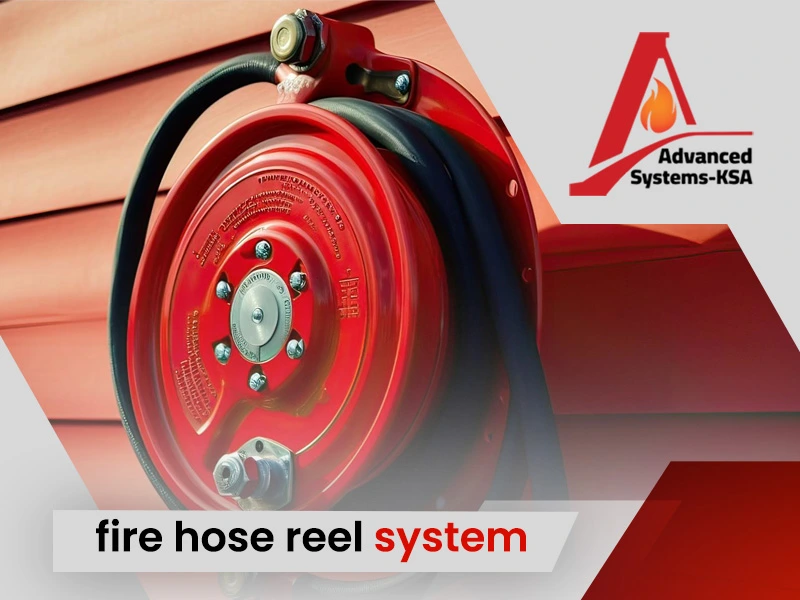
A fire hose reel system is vital to a building or facility’s fire protection framework. Its primary purpose lies in ensuring an accessible water source for firefighting needs. This article will discuss the components of a fire hose reel system.
What Are The Components of a Fire Hose Reel System?
The fire hose reel system consists of several components, providing controlled access to water for firefighting operations. Here’s a breakdown of the key components and how they work together:
Read About: Fire Cabinet Hose Suppliers in KSA
The Hose Reel Itself
The fire fighting hose reel, a cylindrical drum or spool designed to hold the fire hose, is typically mounted on a wall or stands in strategic locations throughout a building, such as hallways, staircases, or near fire exits. Crucially, the reel must be adequately sized to accommodate the hose’s length, ensuring smooth deployment and retrieval during emergencies. Its design prioritizes ease of movement, allowing for quick and seamless unwinding of the hose without the risk of getting stuck. This functionality is essential for swift response times and effective firefighting efforts.
The Fire Hose
The fire hose, an essential component of the fire hose reel system, is purpose-built for firefighting. Constructed from durable materials like rubber or synthetic fibers, it is engineered to withstand high water pressure and extreme conditions. Connected to the hose reel, it can be rapidly deployed, allowing for swift response and effective fire suppression in emergencies.
Water Supply
The fire hose reel system requires a reliable water supply to provide water for firefighting. The water can come from a dedicated storage tank or the building’s main water supply. Sometimes, a booster pump may be installed to enhance the water pressure and ensure adequate flow.
Control Valve
The control valve is a crucial component that allows the user to turn the water supply on or off and regulate the water flow. It is typically located near the hose reel or adjacent to it for easy access. When the valve is opened, water flows through the hose, allowing firefighters or trained personnel to tackle the fire.
Nozzle
The nozzle is the endpoint of the fire hose and controls the flow and direction of water. It incorporates various settings, such as spray patterns and water flow adjustments, to suit different firefighting scenarios. The nozzle allows firefighters to direct the water precisely to extinguish fires effectively.

fire hose reel
Hose Reel Cabinet
The hose reel cabinet serves as an enclosure that houses the hose reel and protects it from external elements, such as dust, moisture, and physical damage. It is typically made of sturdy materials like metal or plastic and is designed to be easily accessible during emergencies. The hose reel cabinet ensures that the hose reel and the fire hose are securely stored and readily available for immediate use when needed. Hose cabinet price varies according to several factors, such as material and size.
In the event of a fire, individuals trained in firefighting techniques can access the fire hose reel system, unroll the hose, and aim the water at the base of the fire to extinguish it. The system provides a relatively long reach and can be a valuable tool for initial fire suppression before the arrival of professional firefighters.
It’s important to note that fire hose reel systems are subject to local fire safety regulations and standards, which may vary depending on the jurisdiction and type of building. Regular maintenance and inspections are essential to ensure the system is in proper working order and ready for use in an emergency. Contact Advanced Systems now for more details.
Read More:
Fire Alarm Devices
Fire hydrant and monitor
Firefighting Company in Saudi Arabia
Fire Protection Systems
The fire hose storage Box
How Fire Alarm System Works
Fire Hydrant Pump
by Mohamed Elbebhairy | Nov 24, 2025 | Events
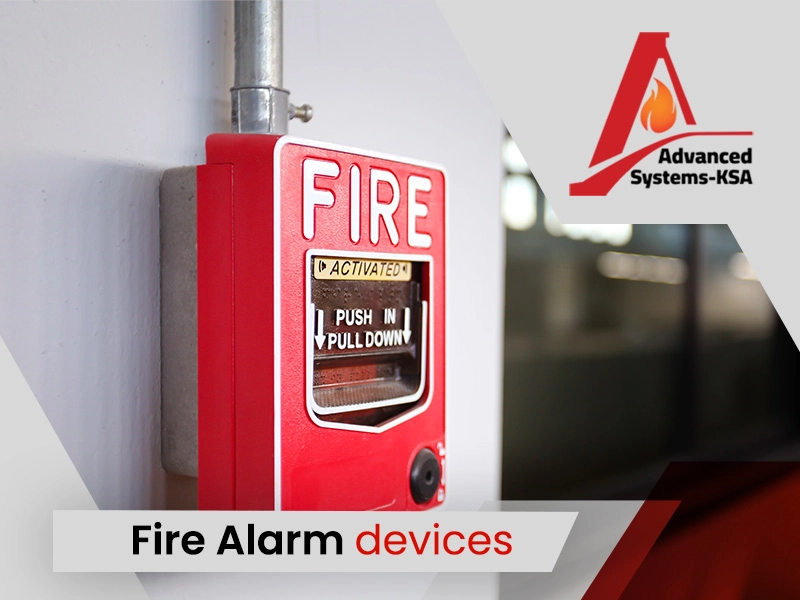
The evolution of fire alarm devices has become synonymous with technological innovation. From the traditional reliability of conventional alarms to the intelligence embedded in intelligent systems, these devices play a pivotal role in safeguarding lives and property.
This article explores the dynamic landscape of fire safety, delving into the functionalities of smart smoke detectors, heat detector alarms, intelligent fire alarms, fire sensors, and conventional fire alarms.
The Best fire alarm devices
fire alarm devices depend on detection and alarming by syncing with the fire breaks out like flame detecting or smoke and Sensors heat, and alarming like fire bells or fire light alarms
Smart Smoke Detectors
Smart smoke detectors represent a paradigm shift in fire safety, seamlessly integrating advanced technology with the essential task of smoke detection. These intelligent devices transcend the limitations of traditional alarms, offering real-time connectivity and remote monitoring capabilities.
smoking detactors
Equipped with Wi-Fi connectivity, they can send instant smartphone alerts, enhancing responsiveness and providing peace of mind. Some models even integrate with smart home ecosystems, allowing users to control and monitor their devices remotely. With features like self-testing and the ability to differentiate between types of smoke, intelligent smoke detectors redefine the standards of early fire detection, ushering in a new era of proactive safety measures.
Heat Detector Alarms
Heat detector alarms provide a crucial layer of fire protection by sensing elevated temperatures rather than smoke particles. Ideal for environments where smoke detection may be impractical, such as kitchens or industrial settings, these devices trigger alarms when a predetermined temperature threshold is reached.
Their reliability in detecting heat variations makes them an invaluable component of comprehensive fire safety strategies, ensuring prompt response and protection in diverse scenarios where traditional smoke detectors may fall short.
Smart Fire Alarm devices
Smart fire alarms elevate fire safety with their intelligent features and connectivity. These devices go beyond traditional alarms by offering remote monitoring, real-time alerts, and integration with smart home systems. Wi-Fi connectivity lets users receive smartphone notifications, enabling swift response even when away.
The advanced capabilities of intelligent fire alarms redefine proactive safety measures, providing a comprehensive and adaptable approach to fire detection and prevention.
Fire Sensors
Fire sensors are pivotal components in early fire detection systems, designed to identify the presence of smoke or heat in their environment. Employing technologies such as photoelectric or ionization sensors, these devices trigger alarms swiftly, providing a critical early warning. Fire sensors are versatile tools integral to residential and commercial fire safety setups, offering a proactive defense against the potentially devastating consequences of uncontrolled fires.
Conventional Fire Alarms
Conventional fire alarms are traditional fire detection systems with interconnected components wired to a central control panel. These components, including smoke or heat detectors and alarm devices, are divided into zones, enabling an essential localization of the fire’s origin. Upon detection of smoke or heat in a particular zone, the associated alarm is activated, offering a general indication of the potential location of the fire.
While conventional fire alarms lack the advanced features of newer technologies, they remain cost-effective and reliable solutions for many applications, contributing to foundational fire safety measures in various environments.
In summary, various fire alarm devices, each offering unique features, contribute to the diverse landscape of fire safety. Advanced systems provide these devices, ranging from the intelligent capabilities of smart smoke detectors to the enduring reliability of conventional fire alarms.
Read Also:
Fire water pump manufacturers
Fire Hose Cabinet Price
Fire Hose Cabinet Types
Choosing the Best Fire Sprinklers Companies in Saudi Arabia
Firefighting Water Sprinkler Network
The function of fire hydrant and monitor is to keep lives safe
A Comprehensive Guide To Firefighting Tools And Equipments
Page 4 of 6« First«...23456»