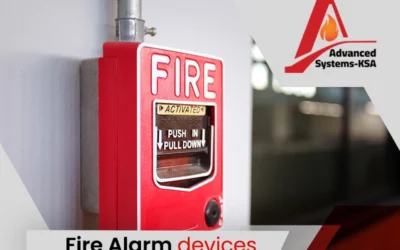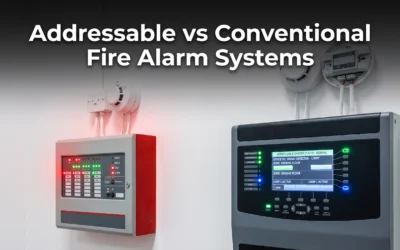


A fire hydrant cabinet is an essential safety enclosure designed to protect fire hydrants and their related equipment while keeping them accessible in case of emergency. Whether installed in a commercial building, industrial facility, parking area, or outdoor location, the cabinet plays a vital role in fire protection systems by ensuring that critical firefighting equipment remains secure, visible, and ready for immediate use.
In this guide, we will explore what fire hydrant cabinets are, the available types, where they should be installed, what components they may contain, and the main factors that affect pricing. We will also explain how Fire fighting valves and cabinets work together as part of a complete fire safety solution for buildings and facilities.
Fire Hydrant Cabinets Overview
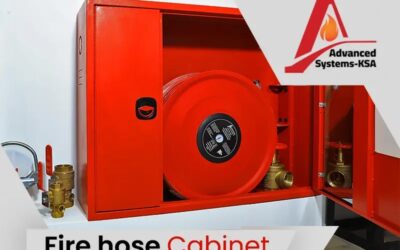
Fire hydrant cabinets are specially designed enclosures used to store and protect fire hydrants and firefighting accessories. They are commonly manufactured from durable materials such as steel, stainless steel, or fiberglass to resist corrosion, physical damage, and harsh weather conditions. By placing the hydrant inside a secure cabinet, building owners can reduce the risk of vandalism, obstruction, and accidental damage.
The main purpose of a fire hydrant cabinet is to keep the hydrant system protected while allowing fast access during fire emergencies. The cabinet is usually fitted with a door or cover that can be opened quickly when needed. In many projects, this cabinet becomes a visible part of the overall fire protection strategy and helps improve the readiness of the entire system.
Fire Hydrant Cabinet Types
Different properties require different cabinet designs, which is why several types of fire hydrant cabinets are available in the market. The most common options include recessed, surface-mounted, semi-recessed, and outdoor enclosures.
Recessed Cabinets
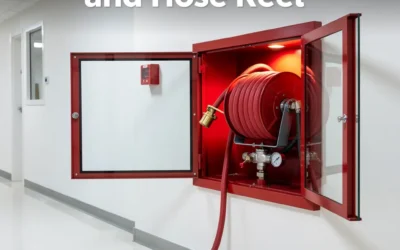
Recessed cabinets are installed inside the wall so that the front face sits flush with the surface. This creates a clean and modern appearance, making them a popular choice for buildings where aesthetics matter. They are also a smart option for areas with limited space, since the cabinet does not project far from the wall.
Surface-Mounted Cabinets
Surface-mounted cabinets are attached directly to the wall and remain visible from the outside. They are easier to install than recessed units and are commonly used in industrial buildings, parking structures, and outdoor environments. Their clear visibility also makes them easier to locate in an emergency.
Semi-Recessed Cabinets
This type of cabinet combines the advantages of both recessed and surface-mounted designs. A semi-recessed cabinet is partially embedded in the wall while the rest remains visible. This creates a balanced solution that offers a neat appearance while still providing convenient access and strong visibility.
Outdoor Enclosures
Outdoor fire hydrant enclosures are used in exposed locations where additional protection is needed against weather, dust, or vandalism. These units can vary in size and structure depending on the project requirements. In some cases, they are built as simple metal enclosures, while in others they are designed as reinforced cabinets for demanding environments.
Read About: Fire hydrant manufacturers
Fire Hydrant Cabinet Components
Inside a fire hydrant cabinet, several key components may be stored together to support emergency response. These parts are chosen to ensure that firefighters and trained personnel can operate the hydrant system quickly and effectively.
- Fire Hose: A length of fire hose is commonly stored in the cabinet for fast deployment during a fire emergency.
- Nozzle: A nozzle is attached to the end of the fire hose to control the direction and flow of water.
- Wrenches: Special tools are usually placed inside the cabinet so operators can open valves and control the water supply.
- Signage: Clear signage helps responders identify the cabinet quickly and locate the equipment during an emergency.
- Locking Mechanism: Some cabinets include locks or security devices to prevent unauthorized access and protect the equipment from tampering.
Fire Fighting Valves and Cabinets
Fire fighting valves and cabinets are closely connected elements in a complete fire protection system. The valves regulate water flow, while the cabinets provide the protective housing that keeps these components accessible and organized. In many building projects, the cabinet is not only a storage unit but also a practical access point for the valve assembly and related firefighting accessories.
When selecting fire fighting valves and cabinets, it is important to consider compatibility, installation height, ease of use, and the overall layout of the fire protection system. A well-designed cabinet should allow the valve to be reached quickly without obstruction, while still offering solid protection against external damage and environmental exposure. This combination improves response speed and supports safer building operations.
Where Should the Fire Hydrant Cabinet Be Located?
The installation location of a fire hydrant cabinet depends on building design, site conditions, and local fire safety regulations. Proper placement is important because it affects how quickly the equipment can be accessed during an emergency.
Accessibility
Fire hydrant cabinets should always be placed in a location that is easy for firefighters and emergency teams to reach. If the cabinet is hidden or blocked, response time may increase during a fire event. The best locations are those that allow direct access without unnecessary obstacles.
Visibility
Visibility is equally important. A fire hydrant cabinet should be easy to identify, even in busy or complex environments. Strong signage, clear markings, and proper positioning help ensure that responders can find the cabinet immediately.
Protection
The cabinet should also be installed in a protected position where it is less likely to suffer physical damage or exposure to harmful elements. Good placement helps extend the service life of the cabinet and keeps the equipment inside in proper working condition.
Proximity to the Hydrant
The cabinet should be located close to the hydrant it serves. This reduces the distance that responders need to cover and makes the system more practical in emergency situations. A short and direct access path is always preferred.
Local Regulations
Building owners and contractors should always follow local fire codes and regulations when deciding where to install the cabinet. These codes may define mounting height, access clearance, and distance from walls or other structures. Compliance with regulations is essential for safety and approval purposes.
Factors Affecting Fire Hydrant Cabinet Price
The price of a fire hydrant cabinet can vary significantly depending on several factors. Material is one of the most important elements, since steel, stainless steel, and fiberglass cabinets may differ in cost. Cabinet size also affects pricing, with larger units generally costing more because they require more raw material and manufacturing effort.
Additional features can also raise the overall price. For example, cabinets with locking systems, weatherproof finishes, custom dimensions, or alarm-ready configurations may cost more than basic models. Installation requirements and compliance-related specifications can also influence the final budget.
The price of fire hydrant cabinets should always be evaluated alongside quality, durability, and the safety requirements of the project. Choosing the lowest-cost option is not always the best approach if the cabinet needs to perform reliably in harsh or high-risk environments.
Why High-Quality Fire Hydrant Cabinets Matter
Fire safety equipment should never be treated as a simple accessory. High-quality fire hydrant cabinets help protect important firefighting tools, improve access during emergencies, and support the overall reliability of the fire protection system. For commercial buildings, warehouses, schools, hospitals, and industrial facilities, investing in a durable cabinet is a practical decision that supports long-term safety.
By choosing a trusted supplier such as Advanced Systems, property owners can ensure that their fire hydrant cabinets meet functional requirements and remain dependable when needed most. This makes the cabinet an important part of a larger safety strategy rather than just a storage box.
Conclusion
Fire hydrant cabinets are a critical part of any fire safety infrastructure. They protect hydrants and related equipment, keep them accessible, and help ensure a faster emergency response. From recessed and surface-mounted models to semi-recessed and outdoor enclosures, the right cabinet depends on the property type, installation environment, and safety standards.
Understanding the role of Fire fighting valves and cabinets also helps clarify how the system works as a whole. When valves, hoses, nozzles, and storage cabinets are properly selected and installed, the result is a safer and more efficient fire protection setup.
For businesses and organizations looking to improve fire safety, choosing the right cabinet and related components is an investment in protection, compliance, and peace of mind.
Read More: