
When facilities store or handle flammable liquids, hydrocarbons, or combustible materials at scale, a standard water-based suppression system simply cannot deliver the level of protection required. A professionally engineered foam system and bladder tank installation provides the targeted, high-performance fire suppression that these environments demand — smothering flammable liquid fires rapidly and preventing re-ignition with a durable foam blanket. Advanced Systems supplies and installs certified foam system and bladder tank solutions across Saudi Arabia, engineered to NFPA standards and Saudi Civil Defense requirements for oil, gas, industrial, and infrastructure facilities.
What Is a Foam System and Bladder Tank?
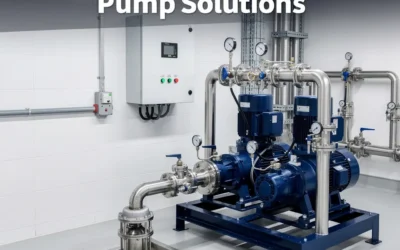
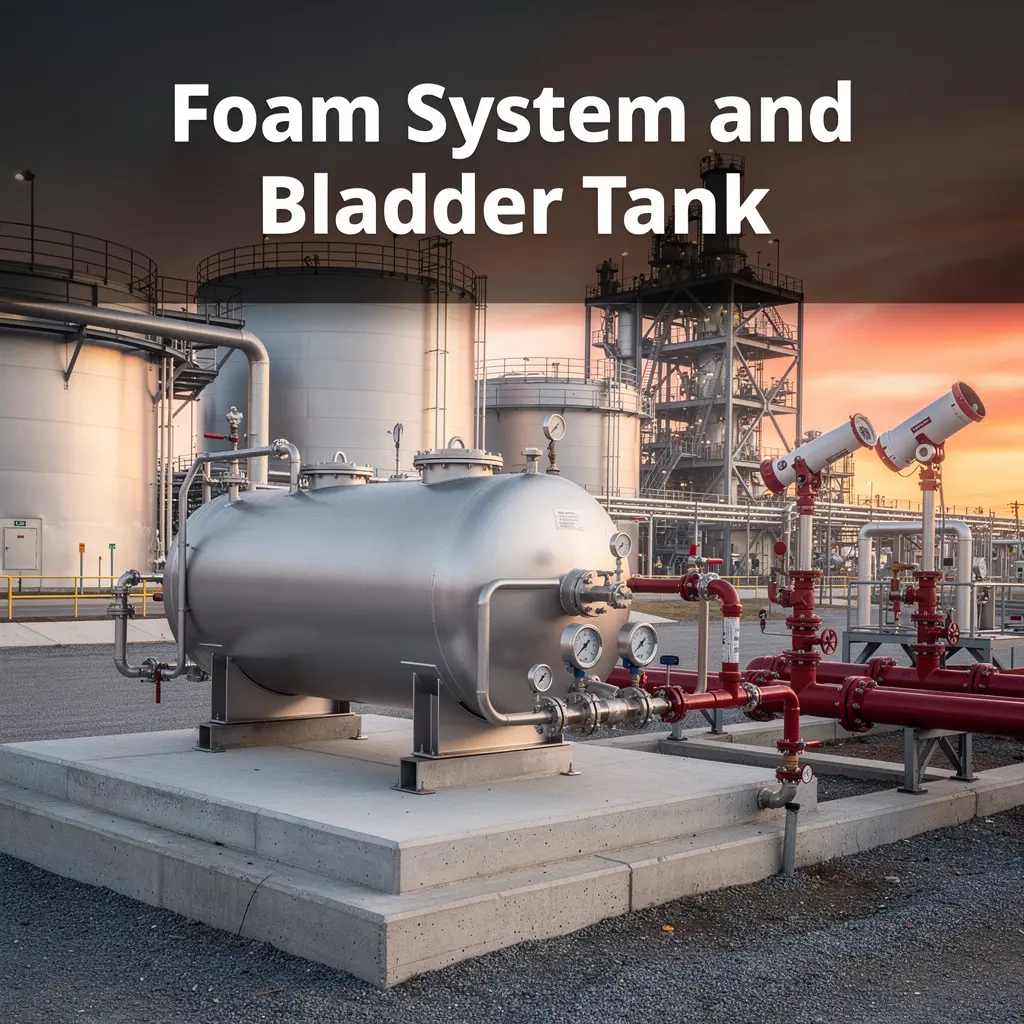
A foam system is an active fire suppression solution that discharges a mixture of water and foam concentrate onto a fire, forming a cohesive blanket that cuts off the oxygen supply, cools the fuel surface, and suppresses flammable vapor release simultaneously. The bladder tank is the storage vessel at the heart of the system — a pressure vessel containing a flexible internal bladder that holds the foam concentrate. As water enters the tank under system pressure, it compresses the bladder and forces foam concentrate out at a precisely controlled proportioning ratio, ensuring consistent foam quality at every discharge point throughout the system.
How a Bladder Tank Foam System Works
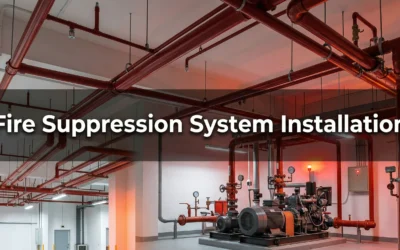
When the fire suppression system activates — either automatically through detection or manually — pressurized water flows into the bladder tank and displaces foam concentrate from the bladder into the water stream at a controlled ratio, typically 1%, 3%, or 6% depending on the foam type and application. The resulting foam solution is delivered through a pipe network to foam makers, foam chambers, or discharge nozzles positioned over the protected hazard. The foam expands on contact with air to form a stable, heat-resistant blanket that suppresses the fire and prevents re-ignition until the hazard is fully secured.
Where Foam Systems and Bladder Tanks Are Used
Advanced Systems installs foam system and bladder tank solutions across the following high-risk facility types throughout Saudi Arabia:
- Oil and Gas Facilities: Tank farms, loading terminals, pump stations, and wellhead areas where large volumes of flammable hydrocarbons present extreme fire and explosion risks.
- Petrochemical Plants: Processing facilities handling flammable liquids, solvents, and chemical intermediates that require rapid foam application to suppress fires and prevent vapor cloud formation.
- Aircraft Hangars: NFPA 409-compliant high-expansion or low-expansion foam systems protecting aircraft, fuel systems, and maintenance equipment in enclosed hangar structures.
- Fuel Storage and Distribution: Aboveground storage tanks (ASTs) and fuel farms requiring fixed foam chambers or monitor-based application systems designed to NFPA 11 standards.
- Industrial Warehousing: High-rack storage facilities containing flammable commodities, aerosols, or Class B liquids requiring foam-water sprinkler or deluge system protection.
- Marine and Offshore: Vessel engine rooms, pump rooms, and offshore platform process decks where foam suppression is required under SOLAS and classification society regulations.
Types of Foam Concentrate Used with Bladder Tank Systems
- AFFF (Aqueous Film-Forming Foam): Fast-acting foam that forms a thin aqueous film on hydrocarbon fuel surfaces — the most widely used concentrate for flammable liquid fire protection.
- FFFP (Film-Forming Fluoroprotein Foam): Combines the rapid knockdown of AFFF with the heat resistance and burnback characteristics of protein foam — suited for high-temperature hydrocarbon applications.
- AR-AFFF (Alcohol-Resistant AFFF): Formulated for use on both hydrocarbon fuels and polar solvents such as alcohols, ketones, and esters that break down standard AFFF foam blankets.
- High-Expansion Foam: Very high expansion ratio foam used to flood enclosed spaces such as aircraft hangars, basement car parks, and warehouse structures.
Integrating Foam Systems with Fire Detection and Alarm
A foam system and bladder tank installation performs at its highest level when fully integrated with the facility’s fire detection and alarm infrastructure. Advanced Systems designs every foam suppression project with reliable detection interfacing to ensure automatic system activation with the minimum possible response delay. For facilities that also require clean agent suppression in sensitive equipment areas, our FM200 Fire Suppression Systems complement foam-protected zones by providing residue-free suppression for electronics and control rooms. Understanding the full range of Fire Alarm Types is essential to selecting the right detection platform for foam system triggering — and for mission-critical projects, we integrate with leading certified control solutions including the Potter Fire Alarm System to deliver reliable, fully coordinated fire protection across the entire facility.
Advanced Systems: Your Foam Suppression Specialist in Saudi Arabia
Advanced Systems delivers certified foam system and bladder tank installations for high-risk facilities across the Kingdom of Saudi Arabia. Our engineering team manages every project phase — hazard assessment, system design, NFPA compliance, product supply, installation, commissioning, and maintenance — under one contract. All foam systems and bladder tanks we supply carry international certifications and are sized and engineered to the specific demands of each protected hazard.
Contact Advanced Systems today to discuss your foam suppression requirements and receive a tailored engineering proposal for your facility.
Frequently Asked Questions About Foam Systems and Bladder Tanks
What is the purpose of a bladder tank in a foam system?
A bladder tank stores foam concentrate in a flexible internal bladder within a pressure vessel. When water enters the tank under system pressure, it compresses the bladder and forces concentrate into the water stream at a controlled proportioning ratio — ensuring consistent foam solution quality at every discharge point.
What NFPA standard governs foam system design?
Foam suppression systems for flammable liquid hazards are primarily governed by NFPA 11 (Low-, Medium-, and High-Expansion Foam) and NFPA 16 (Foam-Water Sprinkler Systems). Aircraft hangar foam systems follow NFPA 409. Advanced Systems designs all installations to the applicable NFPA standard and Saudi Civil Defense requirements.
Can Advanced Systems maintain existing foam systems and bladder tanks?
Yes. Advanced Systems provides structured maintenance programs for foam suppression systems, including bladder tank inspections, concentrate sampling and quality testing, proportioner calibration checks, nozzle and valve inspections, and full system discharge tests to verify operational readiness and ongoing compliance.