
A professionally executed fire suppression system installation is one of the most important investments a facility owner, developer, or project manager can make. It is not simply about placing equipment — it is about engineering a system that performs with precision when a real emergency occurs, meets Saudi Civil Defense regulations from day one, and protects lives, assets, and operational continuity simultaneously. Advanced Systems delivers end-to-end fire suppression system installation services across Saudi Arabia, combining certified engineering expertise with internationally compliant product supply for facilities of every type and scale.
Why Professional Fire Suppression System Installation Matters
Fire suppression systems are life-safety infrastructure. An improperly designed or poorly installed system creates a dangerous illusion of protection — the equipment is present, but it will not perform reliably when it matters most. A professional fire suppression system installation ensures that every component is correctly sized, precisely positioned, hydraulically calibrated, and fully integrated with the facility’s detection and alarm network. It also guarantees that the system passes Saudi Civil Defense inspections and meets the applicable NFPA codes required for building occupancy and insurance compliance.
For facility owners in Saudi Arabia, the consequences of non-compliant or substandard installations go beyond regulatory penalties. They include voided insurance coverage, operational shutdowns, and — most critically — systems that fail at the moment of an actual fire event. Partnering with an experienced, certified provider like Advanced Systems eliminates these risks from the very start of your project.
Step-by-Step: How a Fire Suppression System Installation Works
Step 1 — Site Survey and Hazard Assessment
Every successful fire suppression system installation begins with a thorough site survey conducted by qualified fire protection engineers. This assessment evaluates the facility’s floor plan, ceiling heights, occupancy type, fire load classification, and any specific hazards present — such as flammable liquids, electrical equipment, or high-value assets requiring specialized suppression agents. The data gathered at this stage forms the foundation for every subsequent design and engineering decision.
Step 2 — System Design and Engineering
Based on the site assessment, Advanced Systems’ engineering team develops a complete system design that specifies the suppression agent, pipe network layout, nozzle and sprinkler head positions, control valve locations, pump sizing, and integration points with the fire detection and alarm infrastructure. All designs are prepared in compliance with NFPA 13, NFPA 14, NFPA 20, and Saudi Civil Defense codes, and include full hydraulic calculations to verify system performance under worst-case fire scenarios.
Step 3 — Regulatory Approvals and Permit Coordination
Before physical installation begins, the completed design documentation is submitted to the relevant Saudi Civil Defense authority for technical review and approval. Advanced Systems manages this entire approval process on behalf of the client — preparing the required technical submittals, coordinating with reviewing engineers, and resolving any queries to ensure approvals are obtained efficiently and without unnecessary project delays.
Step 4 — Supply of Certified Equipment and Materials
Every component used in an Advanced Systems fire suppression system installation is sourced from internationally certified manufacturers and carries the required UL, FM Global, or CE certifications. This includes sprinkler heads, pipes and fittings, fire fighting pumps, suppression agent cylinders, control valves, and fire alarm interface devices. Certified product quality is non-negotiable — it directly determines whether the system will function as designed under real fire conditions.
Step 5 — Professional Installation
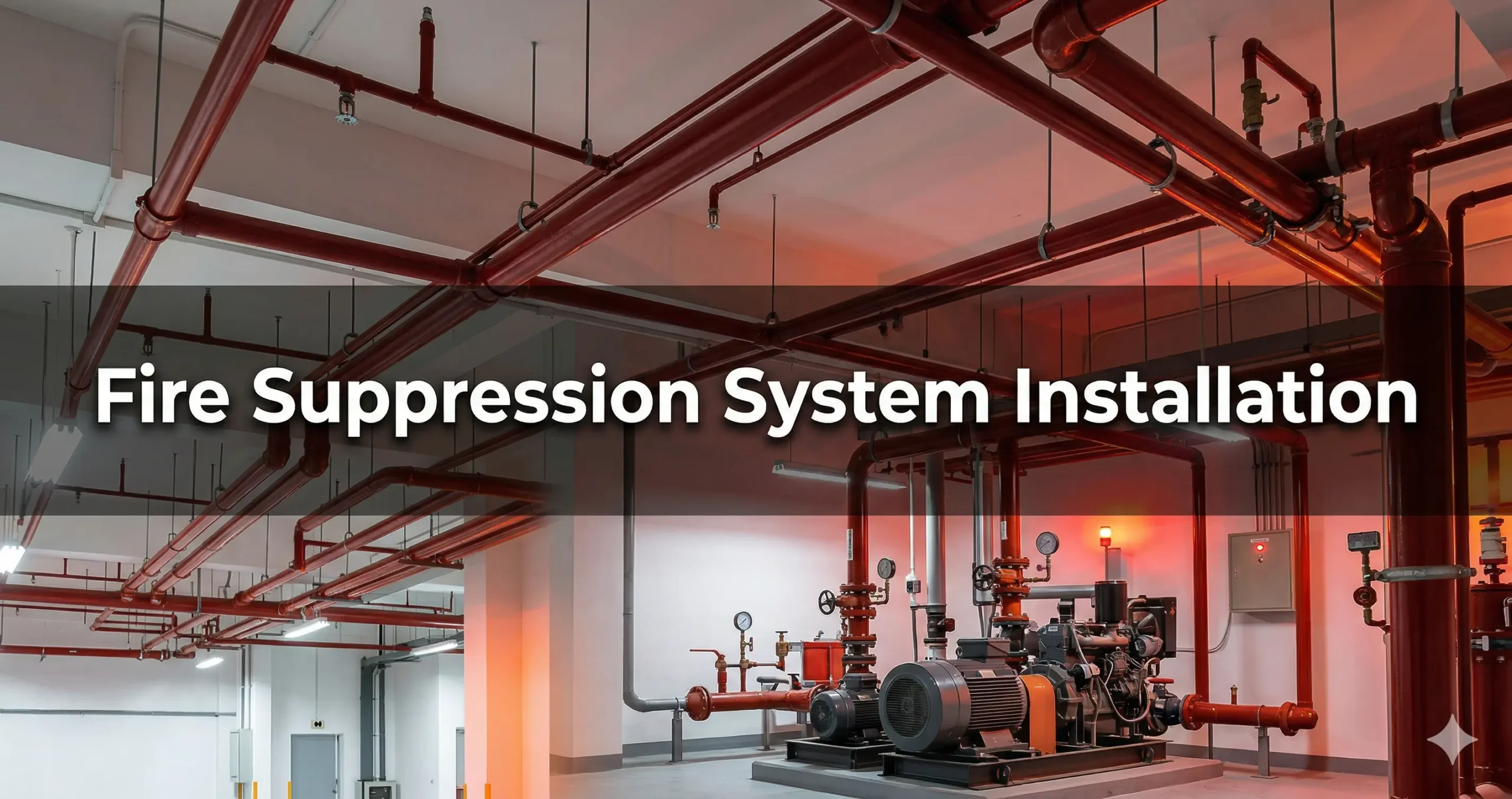
The physical installation is carried out zone by zone by Advanced Systems’ trained installation teams, following the approved design drawings with precision. Pipe supports are secured to structural elements, sprinkler heads and nozzles are installed at the correct spacing and orientation, control valves are positioned at accessible service points, and all electrical connections to detection and suppression control panels are made in accordance with manufacturer specifications and applicable wiring codes. Every connection is pressure tested during installation to verify integrity before the system is brought online.
Step 6 — Testing, Commissioning, and Handover
Once installation is complete, Advanced Systems conducts comprehensive functional testing of the entire system — including flow tests, pressure tests, detector calibration checks, alarm integration verification, and suppression control panel programming validation. Any deficiencies identified during testing are corrected before the system is declared fully commissioned. Clients receive complete as-built documentation, a maintenance schedule, and full operational training for facility staff at project handover.
Types of Fire Suppression Systems We Install
Water-Based Suppression Systems
Wet pipe, dry pipe, pre-action, and deluge sprinkler systems remain the most widely deployed fire suppression solution across commercial, industrial, and residential facilities. Advanced Systems designs and installs water-based suppression systems in full compliance with NFPA 13 and NFPA 14, covering everything from office buildings and shopping centers to warehouses and industrial plants.
Fire Fighting Pump Systems
The fire fighting pump is the heart of any water-based suppression system, maintaining water pressure throughout the entire network during a fire event. Advanced Systems supplies and installs electric, diesel, and jockey pump configurations sized to the exact hydraulic demands of each installation, meeting NFPA 20 requirements and Saudi Civil Defense pump room specifications for commercial, industrial, and infrastructure projects of all scales.
Clean Agent Suppression Systems
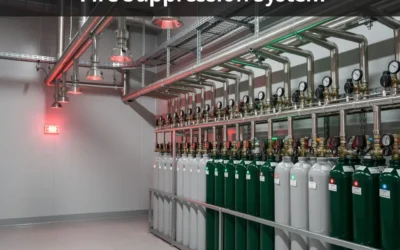
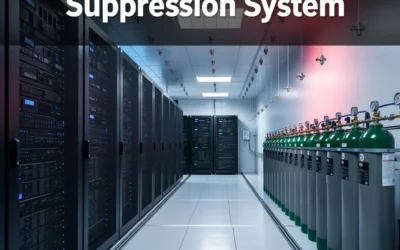
For facilities housing sensitive electronics, data centers, server rooms, or control rooms, water-based suppression is not appropriate. Advanced Systems installs FM200 Fire Suppression Systems and CO2 suppression systems that deliver fast, clean, residue-free fire suppression without causing secondary damage to equipment or operational assets — protecting the facility and its contents simultaneously.
Gas Suppression Systems
For industrial applications, engine rooms, marine environments, and enclosed hazard spaces, Advanced Systems installs CO2 and other gaseous suppression systems engineered to total flooding and local application configurations in compliance with NFPA 12 and applicable Saudi Civil Defense standards.
Integrating Suppression with Fire Detection and Alarm
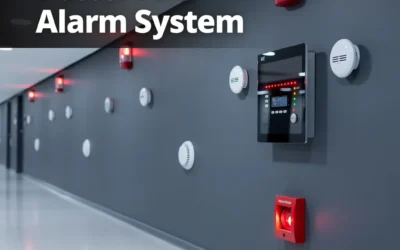
A fire suppression system installation is only as effective as the detection network that triggers it. Advanced Systems designs every suppression project with full integration of fire detection devices, notification systems, and suppression control panels from the outset. Understanding the full range of Fire Alarm Types — from conventional zone-based systems to fully addressable intelligent platforms — is essential to ensure that the detection-to-suppression response time is optimized for each specific facility layout. For mission-critical projects, we integrate suppression systems with leading certified control platforms including the Potter Fire Alarm System, which provides advanced zone monitoring, reliable suppression panel interfacing, and comprehensive event logging for compliance and audit purposes.
Common Mistakes to Avoid in Fire Suppression System Installation
Many fire suppression failures and compliance issues stem from avoidable errors made during design or installation. Advanced Systems’ project delivery process is specifically structured to eliminate the following common problems:
- Undersized pipe networks: Insufficient pipe diameters reduce water flow and pressure below the minimum required to suppress a fire effectively.
- Incorrect sprinkler head spacing: Poor spacing leaves unprotected areas that allow fire to spread before suppression activates.
- Inadequate pump sizing: An undersized fire fighting pump cannot maintain system pressure during a full-demand discharge event.
- Missing or incorrect hydraulic calculations: Without verified flow calculations, there is no engineering basis to confirm the system will perform as required.
- Poor detection integration: Suppression systems that are not properly interfaced with detection devices may not activate on time — or may activate unnecessarily.
- Non-certified components: Using uncertified products voids compliance, fails Civil Defense inspections, and introduces unpredictable system behavior under fire conditions.
Industries We Serve Across Saudi Arabia
Advanced Systems delivers fire suppression system installation services across a broad range of sectors throughout the Kingdom:
- Commercial Buildings and Towers: Office complexes, mixed-use developments, and high-rise residential buildings.
- Industrial Facilities: Manufacturing plants, factories, and processing facilities with high fire loads and complex hazard profiles.
- Healthcare: Hospitals and medical centers requiring systems that protect patients, staff, and sensitive medical infrastructure simultaneously.
- Hospitality: Hotels, resorts, and serviced apartment buildings operating around the clock.
- Oil, Gas, and Petrochemical: High-risk environments demanding the highest standards of suppression engineering and certified equipment performance.
- Data Centers and Telecom: Mission-critical facilities where suppression speed and asset preservation are equally important priorities.
- Education and Government: Schools, universities, and public sector buildings with strict occupant safety requirements.
Advanced Systems: Your Fire Suppression Installation Partner in KSA
Advanced Systems is one of Saudi Arabia’s most experienced fire protection providers, delivering certified fire suppression system installation services that meet Civil Defense requirements and international fire safety standards on every project. From initial site assessment and engineering design through to commissioning, handover, and long-term maintenance, we manage every phase of your project under one contract — eliminating coordination complexity and ensuring consistent quality throughout.
Our team brings extensive cross-sector experience, an internationally certified product portfolio, and a project delivery methodology built around precision, compliance, and client confidence. Whether you are working on a new construction project or upgrading an existing system, Advanced Systems provides the engineering quality and operational reliability your facility demands.
Contact Advanced Systems today to discuss your fire suppression system installation requirements and receive a tailored engineering proposal for your project.
Frequently Asked Questions About Fire Suppression System Installation
How long does a fire suppression system installation take?
Installation timelines vary based on facility size, system type, and project complexity. A standard commercial fire suppression system installation typically takes between two and eight weeks from mobilization to commissioning. Advanced Systems provides detailed project schedules at the proposal stage so clients can plan accordingly.
What standards govern fire suppression system installation in Saudi Arabia?
Fire suppression system installations in Saudi Arabia must comply with Saudi Civil Defense regulations and applicable NFPA codes — primarily NFPA 13 for sprinkler systems, NFPA 14 for standpipe systems, NFPA 20 for fire pump installations, and NFPA 12 for CO2 systems. Advanced Systems designs and installs all systems to these standards on every project.
Does Advanced Systems handle Civil Defense approvals?
Yes. Advanced Systems manages the complete Civil Defense approval process — including design submission, technical review coordination, and approval follow-up — as part of our standard project delivery service.
Can Advanced Systems install suppression systems in existing buildings?
Absolutely. We have extensive experience retrofitting and upgrading fire suppression systems in occupied facilities across Saudi Arabia, carefully planning installation sequences to minimize disruption to ongoing operations while ensuring full compliance upon project completion.