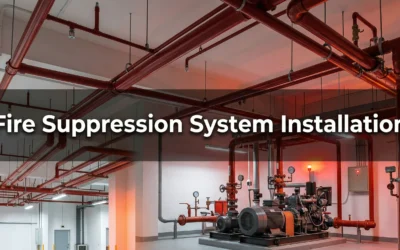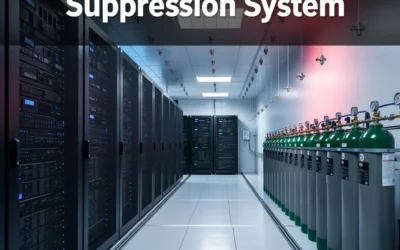

When protecting facilities where water-based suppression would cause as much damage as the fire itself, a Carbon Dioxide (CO2) system stands as one of the most trusted and technically sound solutions available. From industrial plants and power generation facilities to server rooms and printing operations, the CO2 system delivers rapid, residue-free fire suppression that neutralizes fire at the source without endangering valuable assets. Advanced Systems supplies, designs, and installs certified CO2 fire suppression systems across Saudi Arabia, engineered to meet NFPA 12 standards and Saudi Civil Defense requirements for demanding environments.
What Is a Carbon Dioxide (CO2) System?
A Carbon Dioxide (CO2) system is a gaseous fire suppression solution that works by displacing the oxygen concentration in a protected space below the threshold required for combustion. CO2 is a colorless, odorless, electrically non-conductive gas with a high expansion rate, making it highly effective at flooding enclosed hazard areas quickly and thoroughly. Because it leaves zero residue after discharge, the CO2 system is especially valuable in environments where cleanup downtime or equipment contamination would be unacceptable.
The governing standard for CO2 suppression system design, installation, and maintenance is NFPA 12 — the internationally recognized code followed by Advanced Systems on every project to ensure full compliance and peak system performance.
How Does a CO2 System Work?
When a fire is detected — either through automatic detectors or manual activation — the CO2 system releases stored carbon dioxide gas through a network of distribution pipes and discharge nozzles into the protected space. The rapid influx of CO2 reduces the oxygen level in the area to a point where combustion can no longer be sustained, suppressing the fire within seconds. The system can operate in two primary modes depending on the facility layout and hazard type:
- Total Flooding: CO2 is discharged throughout an enclosed space to protect the entire area simultaneously — ideal for enclosed rooms, electrical switchgear rooms, and server spaces.
- Local Application: CO2 is directed precisely at specific equipment or hazard surfaces without flooding the entire room — suitable for localized risks such as printing presses, dip tanks, or individual machinery.
Key Components of a CO2 Fire Suppression System
A professionally engineered Carbon Dioxide (CO2) system consists of several integrated components that must be correctly sized, positioned, and commissioned to deliver reliable performance:
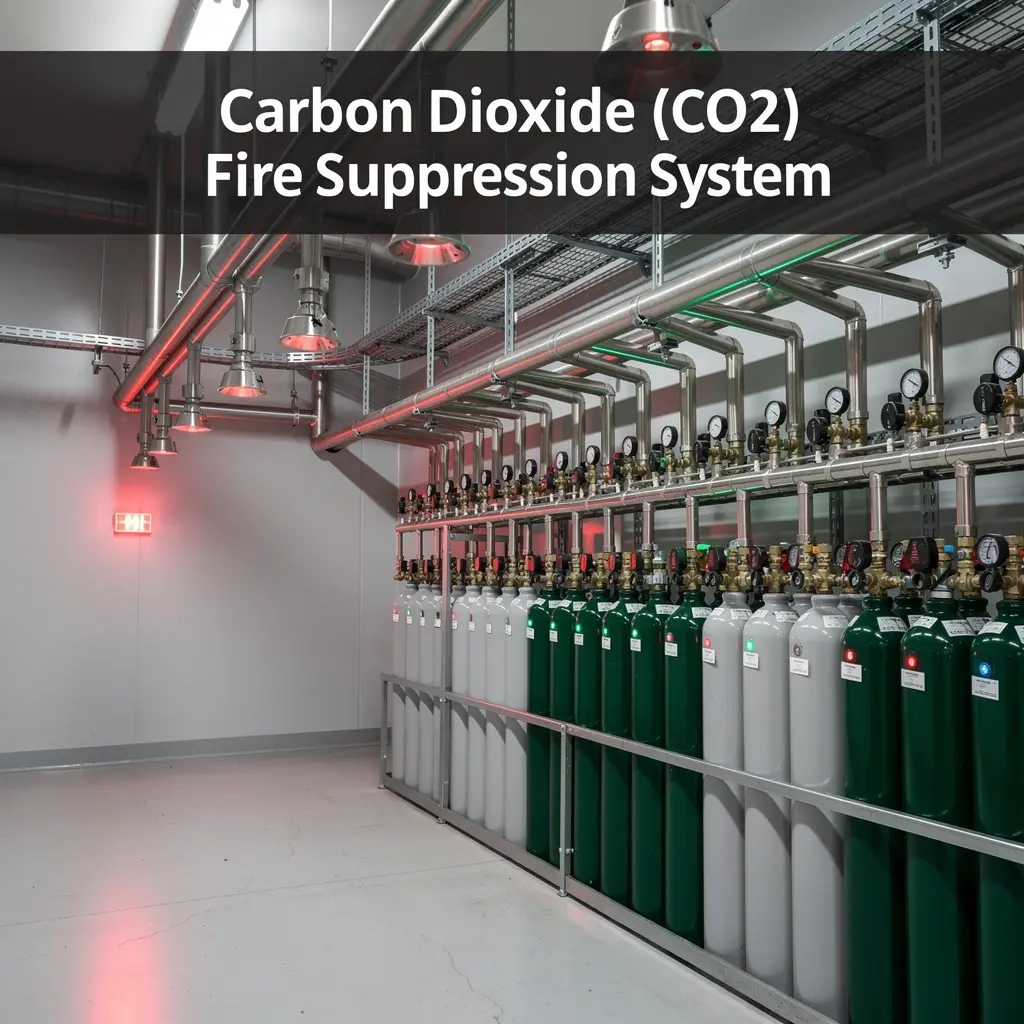
- CO2 Storage Cylinders: High-pressure steel cylinders storing liquid CO2, available in both high-pressure and low-pressure configurations depending on the application scale and storage requirements.
- Distribution Piping Network: A system of pipes engineered to deliver CO2 at the correct flow rate and pressure to every discharge point within the protected zone.
- Discharge Nozzles: Precisely positioned nozzles designed to distribute CO2 evenly and effectively throughout the hazard area or directly onto the protected equipment.
- Control Panel and Detection Interface: The CO2 system is integrated with fire detection devices — smoke detectors, heat detectors, and manual call points — connected to a dedicated suppression control panel that manages automatic and manual activation sequences.
- Pressure Safety Valves: Safety devices installed on cylinders to protect against over-pressurization, particularly important in high-temperature storage environments.
- Pre-Discharge Warning Devices: Audible and visual alarms that activate before CO2 discharge to allow personnel to evacuate the protected area safely.
Where Is the CO2 System Used?
The CO2 system is specifically engineered for environments where alternative suppression agents — water, foam, or dry powder — would cause unacceptable secondary damage or operational disruption. Advanced Systems installs CO2 suppression systems across the following facility types in Saudi Arabia:
- Industrial Plants and Factories: Protection for manufacturing machinery, control rooms, and process equipment in high fire-load industrial environments.
- Power Generation and Electrical Facilities: CO2 is non-conductive and safe for use around live electrical equipment, making it the preferred choice for generator rooms, transformer vaults, and switchgear enclosures.
- Marine and Offshore Applications: Engine rooms, pump rooms, and cargo holds on vessels and offshore platforms where CO2 has a decades-long proven track record.
- Printing and Coating Operations: Local application systems protect printing presses, coating lines, and ink tanks where flammable solvents present a persistent fire risk.
- Warehousing and Storage Facilities: Total flooding systems for enclosed storage areas containing flammable materials or high-value inventory.
- Data Centers and Control Rooms: Where equipment preservation is critical alongside fire suppression speed — though for occupied sensitive spaces, our FM200 Fire Suppression Systems may be recommended as a safer alternative for personnel exposure.
CO2 System vs. Other Suppression Agents
Selecting the right suppression agent depends on the specific hazard, occupancy type, and operational requirements of each facility. Here is how the CO2 system compares to alternative suppression solutions:
- CO2 vs. Water Sprinklers: CO2 leaves zero residue and is safe for electrical equipment; water causes significant secondary damage to electronics, archives, and machinery.
- CO2 vs. FM200: FM200 is safer for occupied spaces as it suppresses fire at lower concentrations without creating oxygen depletion; CO2 is hazardous to personnel at suppression concentrations and requires strict evacuation protocols before discharge.
- CO2 vs. Dry Powder: CO2 leaves no residue; dry powder leaves a corrosive chemical residue that can cause significant secondary damage to equipment and requires extensive cleanup.
- CO2 vs. Foam: CO2 is more suitable for electrical and enclosed hazards; foam is generally applied to flammable liquid spills and open-area storage risks.
Why CO2 Systems Must Be Professionally Designed and Installed
A Carbon Dioxide (CO2) system is a high-pressure, life-safety-critical installation that requires precise engineering at every stage. Incorrect cylinder sizing, inadequate pipe flow calculations, or improperly positioned nozzles will result in a system that fails to suppress fire effectively — or worse, creates a serious safety hazard for occupants. Advanced Systems brings in-house engineering expertise, certified product supply, and rigorous commissioning testing to every CO2 project, ensuring the completed system performs exactly as designed under real emergency conditions.
Every installation we deliver is supported by hydraulic flow calculations, NFPA 12-compliant design documentation, and full coordination with Saudi Civil Defense approval processes from the outset.
Integrating CO2 Systems with Fire Detection and Alarm
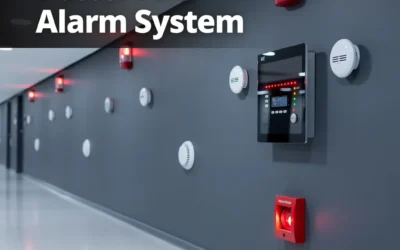
A CO2 suppression system only performs to its full potential when integrated with a reliable fire detection and notification platform. Advanced Systems designs fully integrated solutions that connect CO2 suppression control panels with addressable detection networks. Understanding the range of Fire Alarm Types available — from conventional zone systems to intelligent addressable platforms — is essential to ensuring that detection response time triggers CO2 discharge before a fire spreads beyond control. For mission-critical facilities, we integrate CO2 systems with leading certified control platforms, including the Potter Fire Alarm System, which provides advanced zone-by-zone monitoring and reliable suppression control panel interfacing across complex facility layouts.
Advanced Systems: Your CO2 Suppression Specialist in Saudi Arabia
Advanced Systems is a leading fire protection solutions provider in the Kingdom of Saudi Arabia, delivering certified Carbon Dioxide (CO2) system installations for industrial, commercial, and infrastructure facilities of all scales. Our engineering team manages every aspect of your project — site assessment, system design, hydraulic calculations, product supply, professional installation, commissioning, and structured maintenance programs — under one contract.
We work with internationally certified components, follow NFPA 12 and Saudi Civil Defense standards on every project, and provide full technical documentation to support regulatory approvals. Whether you are protecting a new facility or upgrading an existing suppression system, Advanced Systems delivers the engineering quality and project reliability your operation demands.
Contact Advanced Systems today to discuss your CO2 suppression requirements and receive a tailored engineering proposal for your facility.
Frequently Asked Questions About CO2 Fire Suppression Systems
What is a Carbon Dioxide (CO2) system used for?
A CO2 system is used to suppress fires in enclosed spaces and around high-value equipment where water or chemical agents would cause secondary damage. Common applications include electrical rooms, industrial machinery, generator enclosures, marine engine rooms, and printing operations.
Is a CO2 system safe for occupied spaces?
CO2 at fire suppression concentrations is hazardous to humans as it displaces oxygen. CO2 systems in areas where personnel may be present must include pre-discharge alarms, time delays, and clear evacuation protocols. For regularly occupied spaces, FM200 or other personnel-safe clean agents are typically recommended.
What standard governs CO2 suppression system design?
The primary international standard for CO2 suppression system design and installation is NFPA 12. Advanced Systems designs and installs all CO2 systems in compliance with NFPA 12 and applicable Saudi Civil Defense regulations.
Does Advanced Systems provide CO2 system maintenance?
Yes. Advanced Systems offers structured maintenance programs for CO2 suppression systems, including regular cylinder weight checks, valve inspections, nozzle verification, detection system testing, and full system performance reviews to ensure ongoing compliance and operational readiness.