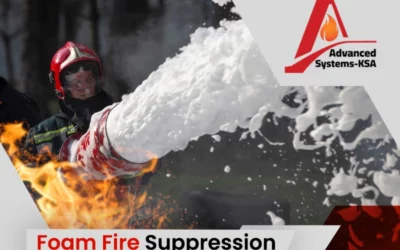

Installation of FirePro Aerosol System typically use advanced technology, such as aerosol generators, to extinguish fires. Aerosol-based fire suppression systems release a fine mist or aerosol particles into the protected area to suppress the fire by removing heat and interrupting the chemical chain reaction that sustains the fire.
What Is Aerosol Generators?
Aerosol generators are devices designed to release aerosol particles into the air. Aerosols are tiny particles or droplets suspended in a gas, such as air. These generators can serve various purposes, including fire suppression, air freshening, or dispersing substances for industrial or scientific applications.
In the context of fire suppression, aerosol generators are often part of fire protection systems. They work by releasing a cloud of fine aerosol particles into a protected space. In the case of fire suppression, these aerosol particles can interfere with the combustion process by removing heat and disrupting the chemical reactions necessary for the fire to continue burning. The result is the suppression or extinguishing of the fire.
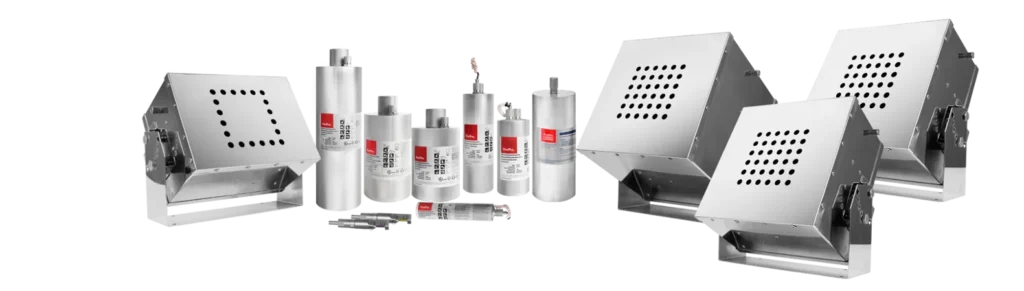
Installation of FirePro Aerosol System
Aerosol fire suppression systems are known for their effectiveness, especially in enclosed spaces, and they are used in various industries to protect valuable assets and ensure safety. The aerosol particles released are typically non-toxic and environmentally friendly.
Advanced Systems Company
Advanced Systems company provides you with all types of firefighting tools and products, the most popular company in Saudi Arabia, Egypt and around the Middle East.
The Installation Process: How “Advanced Systems” Does It
I’ve seen a lot of contractors cut corners. When you are dealing with fire safety, cutting corners is not a “growth hack.” It’s a liability.
This is the exact workflow effective companies like Advanced Systems use to ensure your facility is actually protected.
Step 1: The Volume Calculation (The Math Part)
You cannot guess here.
FirePro works by “total flooding.” That means the aerosol needs to fill the entire volume of the room or cabinet to suppress the fire.
If you have a server room that is 50 cubic meters, and your installer only calculates for 45, the fire won’t go out.
Advanced Systems starts with a precision audit. They measure:
-
The gross volume of the room.
-
The “void” spaces (like raised floors or dropped ceilings).
-
Air leakage (open vents can let the gas escape).
They use this data to calculate the exact amount of “agent” (FPC compound) required.
Step 2: Strategic Unit Placement
Once they know how much FirePro you need, they have to decide where to put it.
This isn’t about interior design. It’s about thermal dynamics.
The stream of aerosol comes out hot. If an installer places a unit directly facing a sensitive server rack or a bundle of plastic cables, the discharge itself could cause damage.
Advanced Systems technicians are trained to calculate “minimum clearance distances.” They map out the airflow to ensure the aerosol distributes evenly without hitting your equipment directly.
Step 3: The Wiring (The Brains of the Operation)
FirePro units are autonomous, but they work best when they talk to each other.
Advanced Systems will typically wire the units to a centralized Fire Alarm Control Panel.
-
Detection: They install smoke and heat detectors that trigger the system automatically.
-
Sequencing: If you have a large room, you need all units to go off at the exact same second.
-
Manual Release: They install a manual “pull station” so a human can trigger the system if they see smoke before the sensors do.
This requires certified electricians who understand low-voltage fire loops. One loose wire means the system fails.
Step 4: The Integrity Test
This is the step most amateurs skip.
Since FirePro is a gas-like aerosol, it needs to stay inside the room to work. If your room has too many cracks, gaps, or open vents, the aerosol will leak out, and the fire will re-ignite.
Advanced Systems doesn’t just install the box. They analyze the room’s integrity. They might recommend sealing specific cable trays or installing automatic dampers that close your AC vents the moment the alarm sounds.